
Dead Sea not so magical: Shocking truth tourists hide
- The Dead Sea: Nature’s Unique Phenomenon
- Why the Dead Sea Is Considered Overrated by Many Travelers
- The Floating Experience: Why It Disappoints Tourists
- Comparing the Dead Sea to Other Saltwater Destinations
- Authentic Experiences Around the Dead Sea Region
- Top Thermal Spa Resorts in Jordan: Alternatives to Dead Sea Floating
- How to Avoid Tourist Traps When Visiting the Dead Sea
- Real Opinions and Traveler Experiences: What People Say About the Dead Sea
- Is the Dead Sea Worth Visiting?
- Sources and Further Reading
The Dead Sea: Nature’s Unique Phenomenon
The Dead Sea is located on the border between Jordan and Israel, famously known as the lowest point on Earth, sitting more than 430 meters below sea level. This unique geography contributes to its extraordinary characteristics, making it a natural wonder.
The water of the Dead Sea is renowned for its extremely high salt concentration—about 31% salinity—making it nearly ten times saltier than typical ocean water. This mineral-rich water creates a dense environment where people can float effortlessly, a phenomenon that has fascinated visitors for decades.
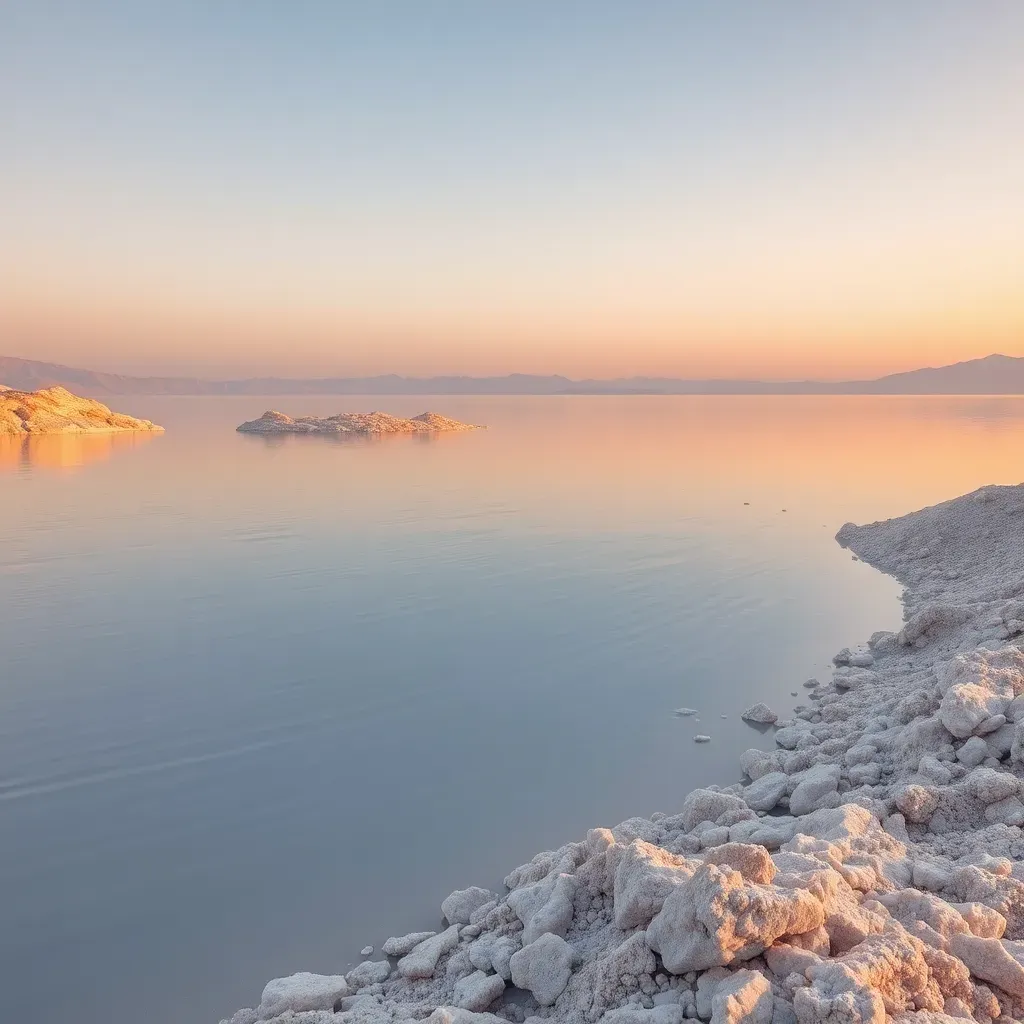
Besides the floating experience, the area is dotted with striking salt formations and mineral deposits. These natural features give the landscape a surreal, almost otherworldly appearance. However, while unique, these salt formations and the barren desert surroundings may not feel truly magical to everyone.
The natural landscape around the Dead Sea is stark and beautiful in its own right, but it lacks the lushness or vibrant ecosystems found in other destinations. The absence of aquatic life due to the high salinity also means the water is lifeless, which can feel disappointing to some visitors expecting more diversity in nature.
Why the Dead Sea Is Considered Overrated by Many Travelers
Many travelers arrive at the Dead Sea with high expectations fueled by marketing and travel brochures promising a magical, once-in-a-lifetime experience. Unfortunately, the reality often falls short.
One major issue is overcrowding. Popular beaches and spa resorts around the Dead Sea can become packed, especially during peak seasons. This crowding diminishes the peaceful atmosphere many seek and can make the experience feel rushed and commercialized.
The prices at many resorts and tourist facilities are notably high. Visitors often find these places overpriced for what they offer, with some resorts feeling more like tourist traps than authentic wellness retreats. The commercialized nature of these spas detracts from the natural charm of the area.
Environmental degradation is another concern. The fragile desert ecosystem around the Dead Sea is affected by tourism, with pollution and water diversion threatening the area's sustainability. This environmental impact adds a layer of complexity to the visitor experience.
Activities beyond floating and mud baths are limited, which can leave some travelers feeling bored or underwhelmed after a short visit. The harsh weather—extreme heat in summer and chilly winters—also affects comfort and accessibility.
The Floating Experience: Why It Disappoints Tourists
The iconic floating experience is the main draw of the Dead Sea, but it often disappoints visitors for several reasons.
Expectations of effortless, magical floating clash with reality. While the water’s density does allow buoyancy, many find the sensation strange or uncomfortable. The salt stings the skin and eyes, and the water temperature can be unpleasantly warm or cold depending on the season.
Physical discomforts such as skin irritation and salt burns are common complaints. Some visitors underestimate the care needed to avoid getting saltwater in sensitive areas, which can cause pain and spoil the experience.
Safety restrictions prevent swimming or diving, limiting the activity to floating only. This restriction can feel dull and repetitive, especially for those expecting more dynamic water activities.
Many travelers report that the floating lasts only a few minutes before discomfort sets in, making the experience feel short-lived and less magical than anticipated.
Comparing the Dead Sea to Other Saltwater Destinations
| Destination | Water Salinity | Natural Beauty | Activities | Accessibility | Tourist Satisfaction |
|---|---|---|---|---|---|
| Dead Sea (Jordan/Israel) | ~31% | Unique salt formations, desert landscape | Floating, mud baths | Moderate; border crossing required | Mixed; often underwhelming |
| Great Salt Lake (USA) | ~12% | Wide open lake, birdwatching | Boating, hiking | Easy; near Salt Lake City | Generally positive; less crowded |
| Lake Retba (Senegal) | ~40% | Pink waters, vibrant scenery | Salt harvesting tours, floating | Challenging; remote location | Positive; unique visual appeal |
| Lake Assal (Djibouti) | ~34% | Volcanic landscape, salt flats | Hiking, salt mining observation | Difficult; remote desert | Low tourist volume; authentic |
Travelers seeking saltwater experiences might find these alternatives more rewarding due to less crowding, more varied activities, or unique natural beauty.
Authentic Experiences Around the Dead Sea Region
Beyond the floating and spa resorts, the Dead Sea region offers rich historical and cultural sites worth exploring.
Jericho, one of the oldest inhabited cities in the world, offers archaeological treasures and a glimpse into ancient civilizations. Masada, a dramatic fortress atop a plateau, tells stories of resistance and survival.
The Qumran Caves nearby are famous for the discovery of the Dead Sea Scrolls, ancient manuscripts that shed light on religious history. Visiting these caves provides a meaningful cultural experience often missed by casual tourists.
Nature lovers can enjoy desert hikes and explore the stark but beautiful landscapes surrounding the sea. These walks reveal flora and fauna adapted to harsh conditions, offering a different kind of magic than the water itself.
Interacting with local communities can enrich the visit. Traditional Bedouin hospitality and cultural experiences provide authenticity that contrasts with the commercialized beach resorts.
Top Thermal Spa Resorts in Jordan: Alternatives to Dead Sea Floating
Jordan hosts several renowned thermal spa resorts that offer mineral-rich waters and wellness treatments beyond just floating.
These spas provide therapeutic mud treatments, massages, and relaxation therapies that many visitors find more rewarding than the brief floating experience.
Facilities vary in quality and price, with some resorts offering luxurious amenities and others focusing on traditional healing methods. Visitor reviews often praise the personalized service and tranquil settings.
Compared to the Dead Sea’s crowded beaches, these spas offer a more peaceful and authentic wellness experience, appealing to travelers seeking relaxation and health benefits.
How to Avoid Tourist Traps When Visiting the Dead Sea
To enjoy the Dead Sea without falling into tourist traps, timing and location matter.
Visiting during off-peak seasons helps avoid crowds and extreme heat. Early mornings or late afternoons are also less busy and more comfortable.
Choosing less commercialized beaches and resorts can provide a more authentic and relaxed atmosphere. Researching smaller, locally run facilities often leads to better experiences.
Packing essentials like water shoes, goggles, and moisturizing lotion prepares visitors for the salt’s harsh effects and improves comfort.
Combining the Dead Sea visit with nearby attractions like Petra or Wadi Rum enriches the trip and balances the underwhelming aspects of the sea itself.
Real Opinions and Traveler Experiences: What People Say About the Dead Sea
“Floating was fun for a few minutes, but the salt stung my eyes badly. The beach was crowded and overpriced. Not as magical as I hoped.” – Travel forum user, 2023
“The landscape is unique but very barren. I expected more activities and less commercialism. The mud baths were nice, though.” – Blogger review, 2022
“Loved the historical sites nearby more than the sea itself. The floating was cool but short-lived and a bit uncomfortable.” – Instagram traveler comment, 2023
“Overrated for sure. The resorts are expensive and feel touristy. If you want a real spa experience, try the Jordanian thermal resorts instead.” – Forum discussion, 2021
Is the Dead Sea Worth Visiting?
The Dead Sea is undeniably a unique natural wonder with its mineral-rich, highly saline waters and striking salt formations. However, the reality often falls short of the hype. Overcrowding, high prices, limited activities, and physical discomforts make it less magical than many expect.
Travelers who appreciate natural phenomena and are prepared for the challenges may still enjoy the experience. Those seeking authentic cultural encounters and wellness treatments might find more satisfaction exploring the region’s historical sites and thermal spa resorts.
Setting realistic expectations and combining the visit with other regional attractions can help make the trip worthwhile. Ultimately, the Dead Sea is iconic but often misunderstood, and knowing what to expect is key to avoiding disappointment.
Sources and Further Reading
- Qué Ver en Jordania: Guía con los 8 Mejores Lugares
- Los mejores lugares para visitar en Asia
- Asia Occidental archivos
- Tour Caminata de Dana a Petra + Wadi Rum y el Mar Muerto
- Desde la ribera del mar de la vida eterna
- Plan de viaje a Jordania y Mar Muerto 8 días
- Los Niños ciegos descubren el mundo
- Para comprender los manuscritos del mar muerto
- Familia Strange | Mundo Mágico WhatsApp Wiki
- Itinerario Detallado
What do you think about the Dead Sea experience? Have you felt disappointed or surprised by it? How would you like to see the region improved? Share your thoughts, questions, or travel stories in the comments below!
 Taj Mahal masividad: The shocking truth about its massive crowds
 Petra atascada: the shocking truth no traveler dares to reveal
Si quieres conocer otros artículos parecidos a Dead Sea not so magical: Shocking truth tourists hide puedes visitar la categoría Asia.
Leave a Reply