
Uluru recorrido decepción: la verdad oculta de Ayers Rock
- Uluru: Cultural and Natural Significance Beyond the Surface
- The Uluru Tour Experience: What Visitors Expect vs. Reality
- Why Uluru Is Considered Overrated by Some Travelers
- Alternatives and Complementary Experiences to the Uluru Tour
- Practical Tips to Enhance Your Uluru Visit and Avoid Common Pitfalls
- Real Visitor Opinions and Experiences: Voices from the Field
- Comparative Table: Uluru Tour Packages vs. Alternative Northern Territory Experiences
- Is Uluru Worth Visiting Despite the Disappointment?
- References and Further Reading
Uluru: Cultural and Natural Significance Beyond the Surface
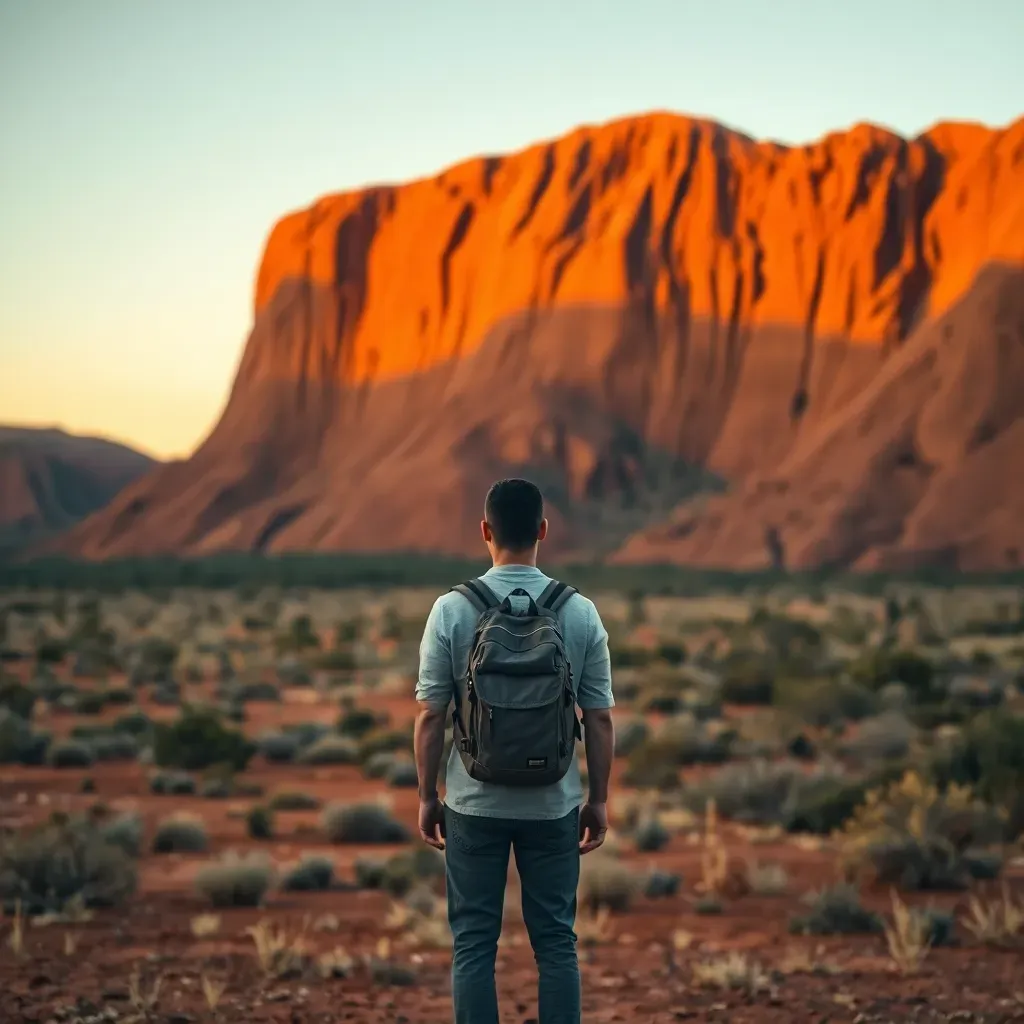
Uluru, also known as Ayers Rock, stands as a monumental sandstone formation in Australia's Northern Territory. It is much more than a striking natural landmark; it holds profound spiritual importance for the Anangu Aboriginal people, the traditional custodians of the land. For the Anangu, Uluru is a sacred site, a living cultural landscape rich with stories and traditions passed down through generations.
The rock itself is a geological marvel. Formed over 600 million years ago, Uluru's unique composition causes it to change colors dramatically at sunrise and sunset, shifting from deep reds to vibrant oranges and purples. This optical phenomenon draws millions of visitors annually, eager to witness its natural beauty.
Surrounding Uluru is the Kata Tjuta, or Olga Mountains, a cluster of large, domed rock formations that complement the landscape with their own hiking trails and scenic vistas. The desert ecosystem around these landmarks supports unique flora and fauna adapted to harsh conditions, adding layers of natural interest to the visit.
Despite its remote location, Uluru is accessible thanks to the nearby resort town of Yulara, which offers transport options and accommodations. This infrastructure supports a steady flow of tourists but also raises questions about the environmental impact and commercialization of such a sacred site.
Comparison of Uluru Tour Packages vs. Alternative Northern Territory Experiences
The Uluru Tour Experience: What Visitors Expect vs. Reality
Visitors often arrive at Uluru with high expectations shaped by stunning photographs and glowing travel guides. They anticipate breathtaking sunrises and sunsets, immersive cultural experiences with indigenous guides, and scenic walks around the base of the rock. Popular tours typically include transportation from Yulara, guided walks, visits to the cultural center, and sometimes helicopter rides for aerial views.
However, the reality can be quite different. Many travelers report feeling overwhelmed by crowds, especially during peak seasons, which can detract from the serene atmosphere expected. The tours and accommodations come at a premium price, which some find disproportionate to the experience offered. Environmental factors such as swarms of desert flies, intense heat, and scarce shade add to the discomfort.
Moreover, cultural protocols restrict access to certain areas of Uluru, including the climb itself, which has been permanently closed out of respect for the Anangu people. This limitation surprises some visitors who were unaware of the site's sacred status. For some, the natural features may seem underwhelming compared to the hype, especially after long journeys through the Australian outback.
Why Uluru Is Considered Overrated by Some Travelers
Uluru often appears on lists of overrated tourist destinations, and several factors contribute to this perception. Marketing campaigns and social media portray the site as a must-see icon, sometimes creating unrealistic expectations that the actual visit cannot fulfill. The iconic images of glowing red rock at sunset are compelling but do not always translate into a deeply satisfying experience.
Crowding is a significant issue. The influx of tourists can make the site feel commercialized and less authentic, diminishing the spiritual and natural ambiance. When compared to other less crowded natural landmarks, some travelers find Uluru lacking in solitude and genuine connection.
Cost is another consideration. Tours, accommodations, and food prices around Uluru are notably high, leading to questions about value for money. Visitors often weigh the expense against the experience and find it wanting.
Environmental and ethical concerns also play a role. The fragile desert ecosystem is vulnerable to damage from heavy tourism, and respecting indigenous culture means adhering to guidelines that may limit activities. The controversy over climbing Uluru has sparked debate about tourism practices and cultural sensitivity.
Alternatives and Complementary Experiences to the Uluru Tour
For those seeking a richer or less commercialized experience, exploring the nearby Kata Tjuta (Olga Mountains) offers rewarding hiking trails and stunning viewpoints often overlooked by mass tours. These formations provide a quieter, more intimate connection with the landscape.
Cultural tours led by indigenous guides present a more authentic approach. Smaller group sizes and community-led initiatives allow visitors to hear personal stories, learn about traditional practices, and gain deeper insights into the Anangu culture.
Other natural wonders in the Northern Territory, such as Kings Canyon and the West MacDonnell Ranges, offer dramatic landscapes and fewer crowds. These sites provide excellent alternatives or additions to an Uluru itinerary.
Travelers can customize their trips by balancing popular attractions with off-the-beaten-path experiences, avoiding disappointment and enriching their journey.
Practical Tips to Enhance Your Uluru Visit and Avoid Common Pitfalls
Timing your visit can greatly affect your experience. The shoulder seasons offer milder weather and fewer tourists, while sunrise visits tend to be less crowded than sunset. Carrying sun protection, insect repellent, and plenty of water is essential for comfort.
Choosing where to stay impacts convenience and cost. Yulara provides easy access and amenities, but camping or staying in nearby towns can offer a different atmosphere and sometimes better value.
Respecting cultural protocols is crucial. Visitors should follow guidelines, avoid climbing Uluru, and engage respectfully with indigenous culture. Selecting tours with knowledgeable guides and smaller groups enhances cultural depth and reduces environmental impact.
Real Visitor Opinions and Experiences: Voices from the Field
"The sunrise over Uluru was stunning, but the crowds made it hard to enjoy the moment fully. The tour felt rushed and expensive for what we got." – Traveler on TripAdvisor
"Joining a small indigenous-led tour gave me a much richer understanding of the culture and landscape. It felt respectful and authentic." – Reddit user in r/travel
"I was surprised by the number of flies and the heat. The rock itself was impressive, but the overall experience was underwhelming compared to expectations." – Travel blog comment
TripAdvisor Reviews
Reddit Travel Discussions
Viator Tour Listings
Comparative Table: Uluru Tour Packages vs. Alternative Northern Territory Experiences
| Criteria | Uluru Standard Tour | Indigenous Cultural Tour | Kings Canyon Adventure | Kata Tjuta Hiking Tour |
|---|---|---|---|---|
| Price Range | High (~$300+ per day) | Moderate (~$150-$250) | Moderate (~$200-$300) | Low (~$100-$150) |
| Group Size | Large (20+) | Small (5-10) | Medium (10-15) | Small (5-10) |
| Cultural Depth | Limited | High | Moderate | Moderate |
| Crowd Levels | High | Low | Low | Low |
| Environmental Impact | Moderate to High | Low | Low | Low |
| Accessibility | Easy | Moderate | Moderate | Moderate |
| Unique Selling Point | Iconic landmark views | Authentic indigenous stories | Dramatic canyon landscapes | Scenic hiking and solitude |
Is Uluru Worth Visiting Despite the Disappointment?
Uluru remains a place of immense cultural and natural significance. Its towering presence and the stories it holds make it a unique destination. Yet, the experience can fall short of expectations for some travelers due to crowds, costs, and environmental challenges. Those who approach Uluru with respect for its cultural protocols and seek authentic, smaller-scale experiences often find it more rewarding.
For travelers who value deep cultural engagement and natural beauty, combining Uluru with nearby attractions and indigenous-led tours can transform a potentially disappointing visit into a memorable journey. Ultimately, understanding the realities behind the Uluru tour helps set realistic expectations and fosters a more meaningful connection with this sacred site.
References and Further Reading
What do you think about the Uluru tour experience? Have you ever felt disappointed by a famous travel destination? How would you like to customize your trip to avoid common pitfalls? Share your thoughts, questions, or travel stories in the comments below!
 Blue Hole deceives: the shocking truth travelers hide
 Cradle Mountain soso: The shocking truth behind this overrated park
Si quieres conocer otros artículos parecidos a Uluru recorrido decepción: la verdad oculta de Ayers Rock puedes visitar la categoría Oceania.
Leave a Reply