
Etosha National Park: The surprising truth behind Africa’s safari
- The Appeal of Etosha National Park
- Why Etosha National Park Is Often Labeled Overrated
- Detailed Analysis of Etosha’s Wildlife and Landscape
- Comparing Etosha with Other African Safari Destinations
- The Economics and Tourism Infrastructure Behind Etosha’s Popularity
- Real Traveler Opinions and Reviews: What Visitors Are Saying
- Alternatives to Etosha: Exploring Namibia’s Lesser-Known Wildlife Reserves
- Tips for Travelers Considering Etosha National Park
- Is Etosha National Park Worth It?
- Sources and Further Reading
The Appeal of Etosha National Park
Etosha National Park, located in northern Namibia, covers an impressive area of approximately 22,270 square kilometers. This vast park is famous for its unique landscape dominated by the Etosha Pan, a massive salt pan that can be seen from space. The location and size of Etosha make it one of the largest national parks in Africa, attracting wildlife enthusiasts from around the world.
The park boasts two main ecosystems: mopane woodland savanna and expansive salt pans. These diverse habitats support a rich variety of wildlife, including iconic African species such as elephants, lions, rhinoceroses, giraffes, and zebras. Birding enthusiasts also find Etosha rewarding, with over 340 bird species recorded.
Popular activities within Etosha include game drives along well-maintained roads, where visitors can observe animals gathering at waterholes, especially during the dry season. Photography and birdwatching are also major draws. The tourism infrastructure includes several camps and lodges, providing access to the park’s natural wonders.
Etosha plays a crucial role in Namibian tourism and African wildlife conservation. It serves as a protected area for endangered species and supports local economies through sustainable tourism initiatives.
Why Etosha National Park Is Often Labeled Overrated
Despite its fame, many experienced travelers and critics describe Etosha as an overrated vacation place for several reasons. One common complaint is the crowded safari routes and waterholes. Because the park is fenced and access is limited to a few gates, visitors often find themselves sharing prime animal-viewing spots with numerous other tourists. This leads to a congested and sometimes noisy atmosphere, detracting from the natural serenity expected on a safari.
The expensive entrance fees, accommodation, and guided tours can feel disproportionate to the quality of wildlife encounters. Some visitors report underwhelming sightings, especially during off-peak seasons when animals disperse widely. The touristy and commercialized nature of the park also reduces the sense of wilderness, with well-marked roads and facilities sometimes making the experience feel less authentic.
Environmental and social impacts of mass tourism are also concerns. Increased vehicle traffic around waterholes can disturb animal behavior, and the influx of visitors strains local resources. The balance between conservation and tourism revenue remains delicate.
Detailed Analysis of Etosha’s Wildlife and Landscape
Etosha’s wildlife is undoubtedly impressive. The park is home to approximately 250 lions, 300 black rhinos, 2,000 elephants, 2,500 giraffes, 6,000 zebras, and over 20,000 springboks. Bird species include flamingos, pelicans, and various raptors.
However, the distribution of these animals is uneven. Many species concentrate around permanent waterholes, especially during the dry season, which can lead to the aforementioned crowded viewing spots. During the rainy season, animals spread out, making sightings more challenging.
The landscape features mopane woodlands and vast salt pans. The Etosha Pan itself is a flat, white expanse that reflects sunlight intensely, creating striking vistas but limited cover for animals. Mopane trees dominate the vegetation, providing food and shelter for many species.
Seasonal variations greatly influence the wildlife experience. The dry winter months (May to October) are peak times for game viewing as animals gather at waterholes. Conversely, the wet season (November to April) brings lush vegetation but more dispersed wildlife.

Comparing Etosha with Other African Safari Destinations
| Park | Size (km²) | Biodiversity | Visitor Density | Cost (approx.) | Accessibility | Unique Features |
|---|---|---|---|---|---|---|
| Etosha National Park (Namibia) | 22,270 | High (Big 5 + birds) | High (crowded waterholes) | $$$ | Good (paved roads, gates) | Etosha Pan, waterhole viewing |
| Moremi Game Reserve (Botswana) | 5,000 | Very High (diverse habitats) | Low (exclusive) | $$$$ | Moderate (4x4 needed) | Wetlands, diverse ecosystems |
| Kruger National Park (South Africa) | 19,485 | Very High (Big 5 + more) | Moderate to High | $$ | Excellent (roads, facilities) | Varied landscapes, cultural sites |
| Bwabwata National Park (Namibia) | 6,274 | Moderate | Low | $$ | Limited | Less crowded, community-based tourism |
Lesser-known reserves like Bwabwata offer more exclusive experiences with fewer visitors and lower costs, appealing to travelers seeking authenticity away from overrated tourist sites like Etosha.
The Economics and Tourism Infrastructure Behind Etosha’s Popularity
Etosha’s tourism infrastructure includes three main camps: Okakuejo, Halali, and Namutoni. These camps provide accommodations ranging from basic to luxury lodges, along with amenities such as restaurants and guided safari tours.
The park features well-maintained roads and numerous waterholes equipped with floodlights for nighttime animal viewing. While these facilities enhance visitor comfort, they also contribute to the commercialized feel of the destination.
Entrance fees and services are priced at a premium, reflecting the park’s status as a flagship tourism destination. This pricing supports conservation efforts and local communities but can alienate budget-conscious travelers.
Sustainable tourism practices are increasingly emphasized, with initiatives aimed at minimizing environmental impact and promoting community involvement. However, balancing mass tourism with conservation remains challenging.
Real Traveler Opinions and Reviews: What Visitors Are Saying
“Etosha is stunning, especially the waterhole at Okakuejo where you can watch elephants at night. But it was definitely more crowded than I expected, and sometimes it felt like a parking lot around the best spots.” – TripAdvisor
“The park is beautiful but very commercialized. The roads are good but it lacks the wild feeling I got in Botswana’s Moremi Reserve. Also, the costs were quite high for what we saw.” – Reddit
“Loved the diversity of animals and birds, but the crowded waterholes made it hard to enjoy the experience fully. I’d recommend visiting during the shoulder season to avoid the worst crowds.” – Safari Blog
Alternatives to Etosha: Exploring Namibia’s Lesser-Known Wildlife Reserves
Namibia offers several less frequented parks and private reserves that provide more intimate and authentic safari experiences. These include:
- Bwabwata National Park Known for community-based conservation and fewer visitors.
- Skeleton Coast Park Offers unique landscapes and marine wildlife.
- Waterberg Plateau Park A sanctuary for endangered species with hiking opportunities.
- Private reserves Such as Ongava and Okonjima, offering exclusive game drives and luxury lodges.
These alternatives often have lower visitor density, more personalized service, and competitive pricing. They address many complaints about Etosha’s crowded and commercialized atmosphere.
Tips for Travelers Considering Etosha National Park
To make the most of a visit to Etosha, travelers should:
- Manage expectations by understanding the park’s popularity and potential crowded conditions.
- Visit during the dry season (May to October) for better wildlife concentration, but avoid peak holiday periods.
- Choose accommodations wisely; camps near waterholes offer better animal viewing but can be pricier.
- Book guided safari tours with reputable operators who prioritize ethical wildlife encounters.
- Support conservation by following park rules and minimizing environmental impact.
Is Etosha National Park Worth It?
Etosha National Park remains a significant tourism destination with remarkable wildlife and landscapes. However, its reputation as an overrated travel landmark stems from issues like crowded viewing spots, expensive costs, and a somewhat commercialized feel.
Travelers who value convenience, infrastructure, and iconic African animals may find Etosha rewarding. Those seeking solitude, exclusivity, or a more authentic wilderness experience might prefer lesser-known Namibian reserves or parks in neighboring countries.
Ultimately, whether Etosha is overrated depends on personal preferences and expectations. Being informed helps visitors make choices that align with their travel style and values.
Comparison of African Safari Destinations
Key Insights
- Etosha National Park is the largest among the compared parks, offering high biodiversity but suffers from high visitor density and relatively high costs.
- Moremi Game Reserve, though smaller, provides very high biodiversity with low visitor density but at the highest cost and moderate accessibility.
- Kruger National Park balances size, biodiversity, visitor density, and cost, with excellent accessibility and diverse landscapes.
- Bwabwata National Park offers a more affordable, less crowded, and community-focused safari experience but with limited accessibility and moderate biodiversity.
- High visitor density in Etosha contributes to crowded waterholes, which is a common criticism despite its rich wildlife.
Sources and Further Reading
- Etosha National Park Travel Guide 2024/25 - Dav Safaris
- TripAdvisor Namibia Photos
- Getty Images - Parque Nacional de Etosha
- Wikipedia - Parque Nacional Etosha
- Activities in Etosha National Park - Dav Safaris
- Reddit - Etosha National Park Discussion
- Alamy Stock Photos - Etosha National Park
- Wikipedia PT - Parque Nacional Etosha
- The Travel Cafe - Etosha National Park
What do you think about Etosha National Park? Have you experienced the crowded waterholes or the underwhelming wildlife sightings? How would you compare it to other overrated travel spots or hidden gems in Africa? Share your thoughts, questions, or travel stories in the comments below!
 Muralla de las Arenas de Lehm: The shocking truth revealed
 Valley of the Kings exhausting truth: What no traveler tells you
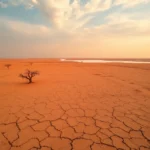 Parque Nacional Etosha vacío: The shocking truth no one tells you
Si quieres conocer otros artículos parecidos a Etosha National Park: The surprising truth behind Africa’s safari puedes visitar la categoría Africa.
Leave a Reply