
Mount Rushmore soso: The shocking truth behind this overrated landmark
- Setting the Scene for Mount Rushmore’s Reputation
- Why Is Mount Rushmore Considered Overrated? Common Visitor Complaints
- Historical and Cultural Context: What Mount Rushmore Represents and Its Controversies
- Visitor Experience: What to Expect When You Visit Mount Rushmore
- Comparing Mount Rushmore to Other Rock Carvings and Presidential Memorials
- The Natural Setting: Black Hills and Surrounding Attractions
- Why Do People Still Visit Mount Rushmore? Understanding Its Enduring Appeal
- Alternative Perspectives: Voices from Social Media, Forums, and Travel Reviews
- Tips for Travelers: How to Make the Most of Your Mount Rushmore Visit
- Is Mount Rushmore Really Worth Your Time?
- References and Further Reading
Setting the Scene for Mount Rushmore’s Reputation
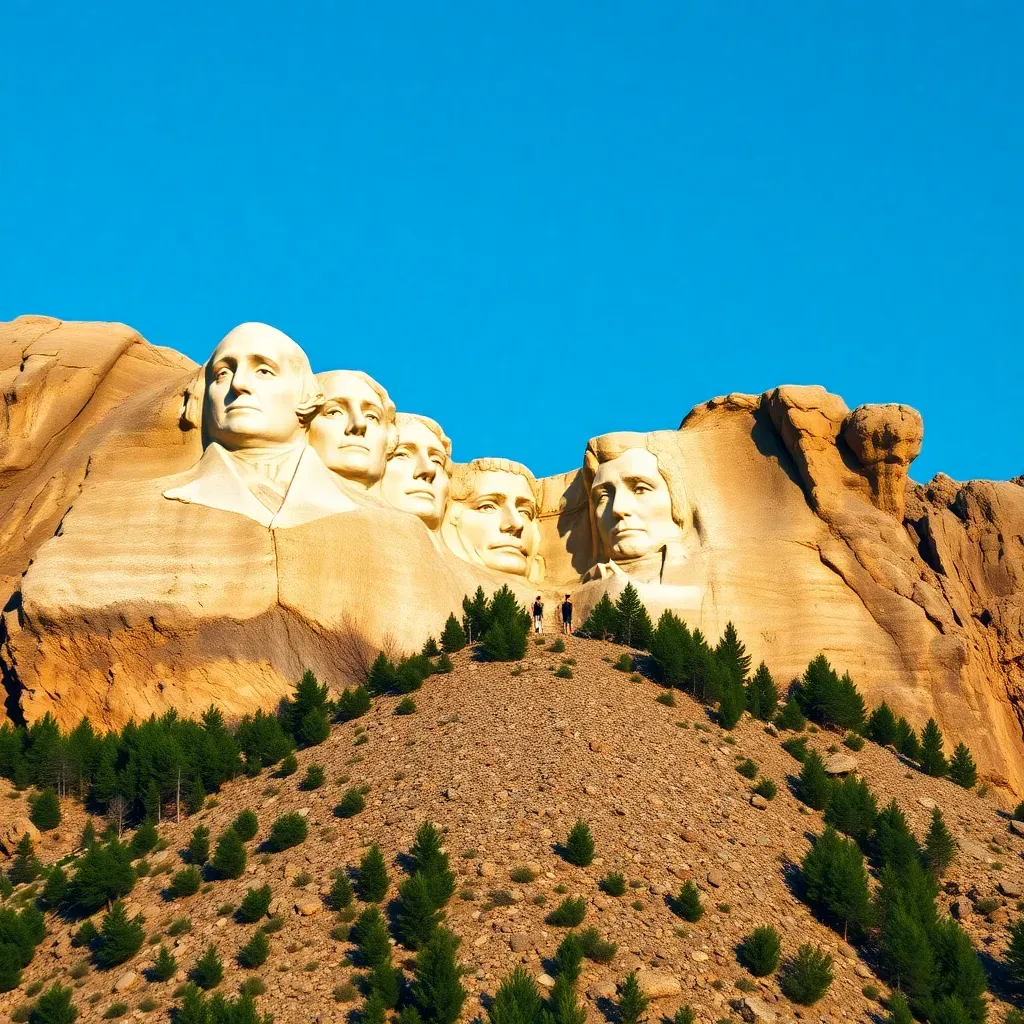
Mount Rushmore is one of the most famous monuments in the United States, featuring the colossal carved faces of four American presidents on a granite mountain in South Dakota. It symbolizes American history and patriotism, attracting millions of visitors yearly. However, the phrase “Mount Rushmore soso” has emerged among travelers and locals alike, expressing a sense of disappointment or boredom with the site. The term “soso” implies something that is just okay, neither exciting nor memorable.
This article explores why many consider Mount Rushmore an overrated tourist destination. It will unpack common visitor complaints, historical and cultural controversies, and how the monument compares to other attractions. The goal is to offer honest travel insights that help readers decide if a visit to Mount Rushmore fits their expectations or if they should seek more authentic experiences elsewhere.
Why Is Mount Rushmore Considered Overrated? Common Visitor Complaints
Many visitors arrive at Mount Rushmore expecting a breathtaking encounter but leave feeling underwhelmed. One of the biggest issues is overcrowding. During peak seasons, the site can be packed with tourists, leading to long wait times and difficulty finding a peaceful spot to appreciate the monument. This crowding often detracts from the experience, making it feel more like a busy theme park than a solemn memorial.
Another common complaint relates to the monument’s scale and viewing distance. The faces are enormous—60 feet tall—but visitors must view them from a considerable distance, which can make the sculptures seem less impressive in person. The lack of close-up interaction leaves some feeling disconnected from the monument’s grandeur.
Visitors also note a scarcity of engaging activities or interactive exhibits. The site offers a visitor center and a short walking trail, but many find these insufficient for a full day’s visit. The experience can feel touristy and commercialized, with gift shops and food stalls dominating the atmosphere rather than cultural enrichment.
When compared to other presidential memorials or natural landmarks, Mount Rushmore often falls short in providing immersive or meaningful experiences. Some travelers prefer sites that offer deeper historical context, hands-on learning, or natural beauty that complements the monument.
Historical and Cultural Context: What Mount Rushmore Represents and Its Controversies
Mount Rushmore was carved between 1927 and 1941 by sculptor Gutzon Borglum and his son. It features the faces of Presidents George Washington, Thomas Jefferson, Theodore Roosevelt, and Abraham Lincoln, chosen to represent the nation’s birth, growth, development, and preservation. The monument was intended to promote tourism and national pride.
However, the site’s history is complex and controversial. The mountain lies in the Black Hills, a region sacred to the Lakota Sioux tribe. The land was taken from Native Americans after the Great Sioux War, violating treaties and causing lasting grievances. Many Native Americans view Mount Rushmore as a symbol of cultural erasure and colonialism.
Adding to the controversy, Borglum had known affiliations with the Ku Klux Klan, which complicates the monument’s legacy. These historical and cultural factors contribute to mixed feelings about the site’s significance. For some, Mount Rushmore is a proud national symbol; for others, it represents painful history and contested land.
Visitor Experience: What to Expect When You Visit Mount Rushmore
The Mount Rushmore site includes a large parking area, a visitor center with exhibits and a gift shop, and a paved walking trail leading to a viewing platform. Visitors can see the monument clearly from this platform, but the distance limits the ability to appreciate fine details.
Crowd levels vary significantly. Peak summer months and holiday weekends bring large crowds, while off-peak seasons offer a quieter experience. Amenities include restrooms, dining options, and ranger-led programs during busy times.
Accessibility is generally good, with paved paths and shuttle services for those with mobility challenges. However, the mountainous terrain around the site can be difficult for some visitors.
Real visitor testimonials reveal a mix of reactions. Some praise the monument’s iconic status and the beauty of the surrounding Black Hills. Others describe the experience as boring or lackluster, citing long lines, commercialism, and the monument’s distant scale as drawbacks.
Comparing Mount Rushmore to Other Rock Carvings and Presidential Memorials
Mount Rushmore is not the only monumental rock carving in the region. The Crazy Horse Memorial, also in the Black Hills, is a massive sculpture of the Lakota leader Crazy Horse, still under construction. It aims to honor Native American heritage and offers a more immersive cultural experience.
| Feature | Mount Rushmore | Crazy Horse Memorial | Other Presidential Memorials |
|---|---|---|---|
| Size | Faces 60 ft tall | Planned 563 ft tall (still in progress) | Varies (Lincoln Memorial, Washington Monument) |
| Visitor Engagement | Limited; viewing platform and visitor center | Interactive museum, cultural programs | Guided tours, educational exhibits |
| Cultural Significance | Symbol of U.S. history, controversial | Focus on Native American heritage | Varies; often commemorative |
| Accessibility | Good; paved paths, shuttle service | Good; museum and grounds accessible | Varies by site |
| Crowding | High during peak seasons | Moderate | Varies |
| Cost | Free entry; parking fee applies | Admission fee required | Mostly free or donation-based |
Many travelers find the Crazy Horse Memorial and other presidential sites offer richer, more meaningful visits, with cultural depth and less commercialism.
Comparison of Mount Rushmore, Crazy Horse Memorial, and Other Presidential Memorials
The Natural Setting: Black Hills and Surrounding Attractions
The Black Hills region surrounding Mount Rushmore is renowned for its natural beauty and ecological diversity. Pine forests, granite peaks, and clear streams create a scenic backdrop that contrasts with the monument’s stark granite faces.
Nearby attractions include hiking trails, wildlife viewing areas, and cultural sites like the Black Hills Institute of Geological Research. Visitors can explore caves, waterfalls, and historic towns such as Keystone.
This natural environment often surprises visitors who come expecting only the monument. Many find the outdoor activities and peaceful landscapes a highlight of their trip, offering a refreshing counterpoint to the dull or touristy feel of the monument itself.
Why Do People Still Visit Mount Rushmore? Understanding Its Enduring Appeal
Despite criticisms, Mount Rushmore remains a popular destination for several reasons. Its iconic status in American culture makes it a must-see landmark for many, especially first-time visitors to the region.
Families and school groups appreciate its educational value, providing a tangible connection to U.S. history. Road trippers often include it as a bucket list item, eager to “check off” a famous site.
Tourism infrastructure and marketing efforts also sustain high visitor numbers. The monument’s presence on postcards, movies, and media keeps it in the public eye, drawing crowds even from those who may find the experience underwhelming.
Real opinions from platforms like Reddit, TripAdvisor, and travel blogs paint a varied picture of Mount Rushmore.
"Honestly, I thought Mount Rushmore would be more impressive up close. It’s just a big rock with faces far away. The crowds made it hard to enjoy." – Reddit user, source
"The monument is iconic, but the visitor experience felt very commercialized. I preferred hiking in the Black Hills more than the actual site." – TripAdvisor review, source
"I loved seeing the faces and learning about the presidents. It’s a great spot for families and history buffs." – Travel blog, source
Common themes include disappointment with crowding and lack of excitement, but appreciation for the monument’s symbolism and educational aspects.
Tips for Travelers: How to Make the Most of Your Mount Rushmore Visit
- Visit during off-peak hours Early mornings or late afternoons in spring or fall offer fewer crowds and better lighting for photos.
- Combine with nearby attractions Explore the Crazy Horse Memorial, Custer State Park, or hiking trails in the Black Hills for a richer experience.
- Consider guided tours Ranger-led programs or local guides provide historical context and stories that deepen understanding.
- Manage expectations Know that the monument is best viewed from a distance and that the site is more about symbolism than interactive engagement.
- Use virtual experiences Online tours and documentaries can supplement the visit, especially for those unable to travel.
Is Mount Rushmore Really Worth Your Time?
Mount Rushmore is a landmark steeped in history and symbolism, yet many visitors find the experience underwhelming or overrated. Crowding, commercialism, and the monument’s distant scale contribute to a sense of disappointment for some. However, its iconic status and educational value continue to draw millions.
Travelers should weigh their personal interests and travel goals. Those seeking cultural depth, natural beauty, and engaging activities might prefer alternative sites like the Crazy Horse Memorial or the broader Black Hills region. Others may find value in witnessing this emblem of American history firsthand.
Ultimately, Mount Rushmore fits into the broader conversation about overrated tourist destinations—a reminder that famous does not always mean fulfilling. Honest opinions and thoughtful planning can help visitors decide if this monument deserves a spot on their itinerary.
References and Further Reading
- National Parks Traveler: New immersive experience highlights culture and history at Mt. Rushmore
- Wikipedia: Mount Rushmore
- Yelp: Mount Rushmore National Memorial reviews
- Reddit discussions on Mount Rushmore
- Russo's Books: Mount Rushmore Virtual Field Trip
- TripAdvisor: Comfort Inn & Suites Mt. Rushmore reviews
- WBKO News: Lawmaker proposes bill to carve Trump on Mount Rushmore
- TripAdvisor: Mount Rushmore National Memorial reviews
What do you think about Mount Rushmore? Have you found it overrated or did it exceed your expectations? How would you like to see the site improved or complemented by other experiences? Share your thoughts, questions, or travel stories in the comments below!
 Everest Base Camp decepciona: descubre la verdad que nadie te cuenta
 Carretera de la Muerte sosa: The shocking truth no one tells you
 Cidade Maravilhosa decepcionante: The shocking truth revealed
Si quieres conocer otros artículos parecidos a Mount Rushmore soso: The shocking truth behind this overrated landmark puedes visitar la categoría America.
Leave a Reply