
San Francisco cable car disappointment: the hidden truth revealed
- Setting the Scene for the San Francisco Cable Car Disappointment
- The San Francisco Cable Car: History and Popularity
- What Makes a Tourist Destination Overrated?
- Why the San Francisco Cable Car Is Considered Overrated
- Crowds and Congestion: The Reality of Riding the Cable Car
- Cost vs. Value: Is the Cable Car Ride Worth the Price?
- The Cable Car Experience: What Passengers Actually Encounter
- Alternative Transportation Options for Scenic San Francisco Routes
- The Impact of Tourism on San Francisco’s Local Community
- Architectural and Technical Aspects of the Cable Car
- The Role of Marketing and Media in Shaping Cable Car Expectations
- Comparative Table: San Francisco Cable Car vs. Other Iconic Urban Cable Cars Worldwide
- Real Voices: Passenger Opinions and Reviews on the Cable Car Experience
- Tips for Tourists Considering the Cable Car Ride
- Why the Cable Car Still Holds Cultural and Historical Value Despite Disappointment
- How to Navigate San Francisco Beyond the Cable Car
- The Future of the San Francisco Cable Car: Challenges and Opportunities
- The Real Story Behind the San Francisco Cable Car Disappointment
- References and Further Reading
Setting the Scene for the San Francisco Cable Car Disappointment
The San Francisco cable car is widely recognized as a symbol of the city, often featured in postcards, movies, and travel guides. Its historic charm and unique operation make it a must-see for many tourists. However, beneath this iconic image lies a growing perception of the cable car as an overrated tourist destination. Visitors frequently report feelings of disappointment after enduring long waits, crowded rides, and a less-than-scenic journey. This article will delve into why the cable car experience often falls short of expectations, examining the factors that contribute to its reputation as a touristy and underwhelming attraction.
The San Francisco Cable Car: History and Popularity
The San Francisco cable car system dates back to the late 19th century, originally designed to navigate the city’s steep hills with a mechanical grip system that pulls cars along underground cables. Its historical significance is immense, representing a pioneering era in urban transportation. Over time, the cable car transitioned from a practical transit solution to a beloved cultural icon, drawing millions of tourists annually.
Today, the cable car operates three main routes: Powell-Mason, Powell-Hyde, and California Street. These routes offer glimpses of the city’s hilly landscape and waterfront areas, contributing to the cable car’s appeal as a scenic ride. Despite its limited role in the broader public transportation network, the cable car remains a popular attraction for visitors seeking a nostalgic experience.
What Makes a Tourist Destination Overrated?
An overrated tourist destination is one whose reputation and marketing hype exceed the actual quality or enjoyment of the experience. Common traits include excessive crowds, high prices, limited authenticity, and a disconnect between expectations and reality. Destinations become overrated when they attract mass tourism without adequately managing visitor satisfaction or preserving local character.
In the case of the San Francisco cable car, its fame has led to overcrowding and commercialization, which can detract from the charm that initially made it special. Understanding these dynamics helps explain why some travelers feel let down despite the cable car’s iconic status.
Why the San Francisco Cable Car Is Considered Overrated
Many visitors express frustration with the cable car due to several factors. First, the rides are often crowded, especially during peak tourist seasons, leading to long lines and cramped conditions. The ticket price is relatively expensive compared to other public transit options, raising questions about value. Additionally, the cable car’s routes cover a limited area, which can feel restrictive for those hoping for a comprehensive sightseeing experience.
Noise from the mechanical system and traffic congestion adds to the discomfort, while the commercialized atmosphere around boarding points can feel touristy and inauthentic. These elements combine to create a gap between the romanticized image of the cable car and the actual experience, fueling the perception of disappointment.
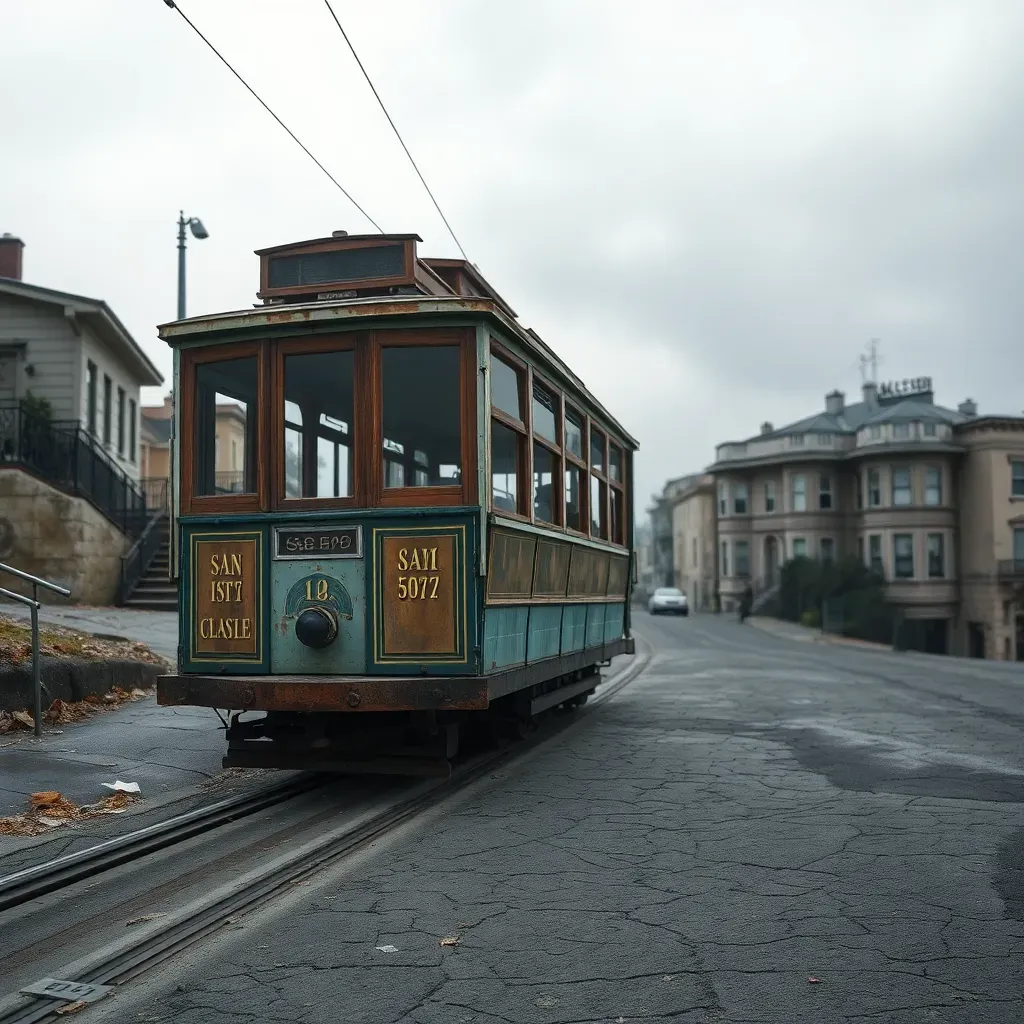
Crowds and Congestion: The Reality of Riding the Cable Car
Peak times for the cable car include weekends, holidays, and summer months when tourist numbers surge. During these periods, waiting times can exceed an hour, and the cars themselves become packed beyond comfort. Many tourists attempt to avoid crowds by arriving early or late in the day, but these strategies often fail due to unpredictable demand and limited service frequency.
Overcrowding not only diminishes passenger comfort but also reduces the opportunity to enjoy the views and ambiance. The constant jostling and noise can make the ride stressful rather than relaxing, undermining the appeal of this historic mode of transportation.
Cost vs. Value: Is the Cable Car Ride Worth the Price?
A single cable car ticket costs significantly more than a regular Muni bus or streetcar fare. For many visitors, this premium price does not translate into a proportionally better experience. Hidden costs, such as time spent waiting and additional expenses for nearby attractions, further impact the overall value.
From a traveler’s perspective, the cable car ride may feel like paying for a souvenir rather than efficient transportation or a truly scenic tour. Alternative options often provide better value for money, especially for those prioritizing comfort and comprehensive sightseeing.
The Cable Car Experience: What Passengers Actually Encounter
A typical cable car ride begins with joining a queue at a busy boarding point. Passengers then climb aboard a wooden car with limited seating, often standing shoulder to shoulder. The ride involves frequent stops, mechanical noises, and occasional traffic delays. Safety concerns arise from the open design and the need to hold on tightly during steep descents.
Accessibility is limited, making it challenging for travelers with mobility issues. Real passenger testimonials frequently mention these discomforts, alongside the excitement of riding a historic vehicle. However, the balance often tips toward frustration due to overcrowding and noise.
Comparison of San Francisco Cable Car vs. Other Urban Cable Cars
Key Insights
The San Francisco cable car is a historic and iconic attraction but has a shorter route length and higher ticket prices compared to other urban cable cars worldwide. It experiences very high crowding during peak times and offers limited scenic views, with accessibility challenges for disabled passengers. While it retains historic authenticity, it is often perceived as touristy. In contrast, other urban cable cars tend to be longer, more affordable or integrated with public transit, less crowded, more accessible, and sometimes better connected with local communities, offering a broader and more comfortable experience.
Alternative Transportation Options for Scenic San Francisco Routes
San Francisco offers several alternatives to the cable car for exploring its scenic routes:
- Muni buses and streetcars More frequent, affordable, and covering broader areas.
- Walking tours Immersive and flexible, allowing visitors to explore neighborhoods at their own pace.
- Bike rentals Active and scenic, ideal for those comfortable with city cycling.
- Private tours and hop-on-hop-off buses Convenient but can be costly and touristy.
These options often provide a more authentic and comfortable experience, with better value and less crowding.
The Impact of Tourism on San Francisco’s Local Community
The cable car’s popularity brings economic benefits through ticket sales and tourism spending. However, it also contributes to congestion and noise in residential areas, affecting local quality of life. Many residents express concern over the disruption caused by tourist crowds and the commercialization of historic neighborhoods.
Sustainable tourism practices are increasingly advocated to balance visitor enjoyment with community well-being, encouraging responsible travel and support for local businesses beyond the cable car route.
Architectural and Technical Aspects of the Cable Car
The cable car’s mechanical system involves a continuously moving underground cable that the car’s gripman attaches to for propulsion. This historic design requires meticulous maintenance and limits speed and route flexibility. Preservation efforts focus on maintaining authenticity while ensuring safety and reliability.
These technical constraints contribute to the ride’s unique character but also to its limitations in comfort and efficiency.
The Role of Marketing and Media in Shaping Cable Car Expectations
San Francisco’s tourism campaigns heavily feature the cable car as a must-see attraction, often highlighting its historic charm and scenic views. Social media and travel influencers amplify this image, sometimes glossing over the practical drawbacks.
This marketing creates high expectations that many visitors find unmet, contributing to the sense of a cable car disappointment.
Comparative Table: San Francisco Cable Car vs. Other Iconic Urban Cable Cars Worldwide
| Feature | San Francisco Cable Car | Other Urban Cable Cars (e.g., Lisbon, Medellín) |
|---|---|---|
| Route Length | Short (approx. 6 miles total) | Varies, often longer and more extensive |
| Ticket Price | High relative to distance | Often lower or included in public transit fares |
| Crowding Level | Very high during peak times | Generally less crowded or better managed |
| Scenic Value | Limited to specific city areas | Often offers broader or more diverse views |
| Accessibility | Limited for disabled passengers | More accessible in many cases |
| Authenticity | Historic but touristy | Varies, some more integrated with local life |
Real Voices: Passenger Opinions and Reviews on the Cable Car Experience
“I was really excited to ride the cable car, but the long wait and the crowded car made it less enjoyable than I hoped. It felt more like a tourist trap than a fun ride.” – Travel forum user
“The views are nice, but the ride is noisy and uncomfortable. For the price, I expected something more relaxing.” – TripAdvisor reviewer
“Still, it’s a piece of history and a unique experience. If you go early and avoid peak times, it can be quite charming.” – Instagram travel influencer
Source: TripAdvisor
Source: Cable Car Guy
Source: Travel Blog
Tips for Tourists Considering the Cable Car Ride
- Ride early in the morning or late in the evening to avoid the largest crowds.
- Purchase tickets online or via mobile apps to skip long lines at ticket booths.
- Manage expectations: the ride is short and can be noisy and crowded.
- Combine the cable car ride with walking tours or visits to nearby neighborhoods for a fuller experience.
- Consider alternative transportation options for a more relaxed sightseeing day.
Why the Cable Car Still Holds Cultural and Historical Value Despite Disappointment
Despite its overrated reputation, the cable car remains a living museum and a symbol of San Francisco’s heritage. Preservation efforts by the city and community groups maintain the system as a functional piece of history. For many visitors, the nostalgia and educational value compensate for the ride’s practical shortcomings. The cable car embodies a unique blend of engineering, culture, and tradition that continues to fascinate.
To experience San Francisco beyond the touristy cable car, visitors can explore lesser-known neighborhoods like the Mission District, Richmond, or Sunset. Local markets, independent cafes, and street art offer authentic cultural encounters. Walking or biking through these areas provides a richer understanding of the city’s diversity and character, away from the crowded tourist corridors.
The Future of the San Francisco Cable Car: Challenges and Opportunities
The cable car system faces challenges including aging infrastructure, high maintenance costs, and balancing tourist demand with local needs. Plans for modernization aim to improve safety and accessibility while preserving historic elements. Opportunities exist to enhance the passenger experience through better crowd management, digital ticketing, and integration with other transit options, ensuring the cable car remains relevant and enjoyable.
The Real Story Behind the San Francisco Cable Car Disappointment
The San Francisco cable car is an iconic city symbol with deep historical roots, yet it often fails to meet visitor expectations. Issues like overcrowding, high costs, limited routes, and noise contribute to its reputation as an overrated and sometimes disappointing tourist attraction. However, its cultural value and unique charm continue to draw interest. Travelers should weigh the pros and cons carefully and consider alternative ways to explore the city’s scenic routes for a more satisfying experience.
References and Further Reading
- Cable Car Guy - Miscellaneous Newspaper Articles Regarding Cable Cars
- San Francisco Municipal Transportation Agency - Cable Car Maintenance
- TripAdvisor - Argonaut Hotel Reviews
- Travel Blog - San Francisco Experiences
- San Francisco Travel - History of Angel Island
- Planet of the Apes Wiki - San Francisco
- Journey of Jazz - San Francisco Tour
What do you think about the San Francisco cable car experience? Have you ever felt disappointed by a famous tourist attraction? How would you improve the cable car ride or the city's sightseeing options? Share your thoughts, questions, or stories in the comments below!
 Glaciar Perito Moreno poco impactante: The shocking truth revealed
 Yellowstone deceives with geysers: what tourists won’t tell you
Si quieres conocer otros artículos parecidos a San Francisco cable car disappointment: the hidden truth revealed puedes visitar la categoría America.
Leave a Reply