
Dying Great Barrier Reef: Shocking Truth You Can’t Ignore
- The Great Barrier Reef: A Natural Wonder Under Threat
- What Does “Dying Great Barrier Reef” Really Mean?
- The Reality Behind the Tourist Hype: Why the Great Barrier Reef Is Overrated
- Environmental Factors Accelerating the Reef’s Decline
- Tourism’s Double-Edged Sword: Economic Benefits vs. Environmental Costs
- Why Snorkeling in the Great Barrier Reef Often Disappoints Visitors
- Alternative Marine Destinations Worth Visiting
- The Role of Climate Change in the Great Barrier Reef’s Future
- Community and Indigenous Perspectives on Reef Conservation
- How Tourists Can Help: Responsible Travel Tips for Visiting the Reef
- The Economic and Emotional Impact of a Declining Reef on Tourism
- Comparing the Great Barrier Reef to Other Overrated Tourist Destinations
- Innovations and Technologies Aiming to Save the Reef
- Public Awareness and Media Influence on the Reef’s Reputation
- What Every Traveler Should Know About the Dying Great Barrier Reef
- Opinions from Real Travelers and Experts
- References and Further Reading
The Great Barrier Reef: A Natural Wonder Under Threat
The Great Barrier Reef (GBR) stretches over 1,400 miles along the northeast coast of Australia, making it the largest coral reef system on Earth. It is home to thousands of species of marine life, including colorful corals, fish, sea turtles, and dolphins. This vast underwater world is often called one of the seven natural wonders of the world due to its immense biodiversity and ecological importance.
At its core, the reef is a complex marine ecosystem where corals, tiny animals that build the reef structure, live in harmony with fish and other sea creatures. These corals create habitats that support a rich variety of life, making the reef a vibrant and delicate environment. For decades, millions of tourists have flocked to the GBR to witness its beauty, snorkel among the corals, and dive into its clear waters.
The reef’s global significance goes beyond tourism. It protects coastlines from erosion, supports fisheries, and contributes to scientific research. Yet, despite its fame and importance, the reef is now under serious threat.
What Does “Dying Great Barrier Reef” Really Mean?
When people say the Great Barrier Reef is "dying," they refer to the widespread damage and loss of coral life. One of the main problems is coral bleaching. This happens when corals get stressed by changes in their environment, especially warmer ocean temperatures. The corals lose the tiny algae living inside them, which give them color and food. Without these algae, corals turn white and become weak, often dying if the stress continues.
The reef’s decline is caused by several factors working together. Climate change raises ocean temperatures, making bleaching more frequent and severe. Pollution from nearby land, such as chemicals and fertilizers washing into the sea, harms coral health. The impact of tourism itself, including boat damage and overcrowding, also stresses the reef. Disruptions to the marine ecosystem, like overfishing, upset the balance of life on the reef.
Signs of a fragile and threatened reef include large areas of dead coral, fewer fish, and murky water. These changes reduce the reef’s beauty and its ability to support marine life.
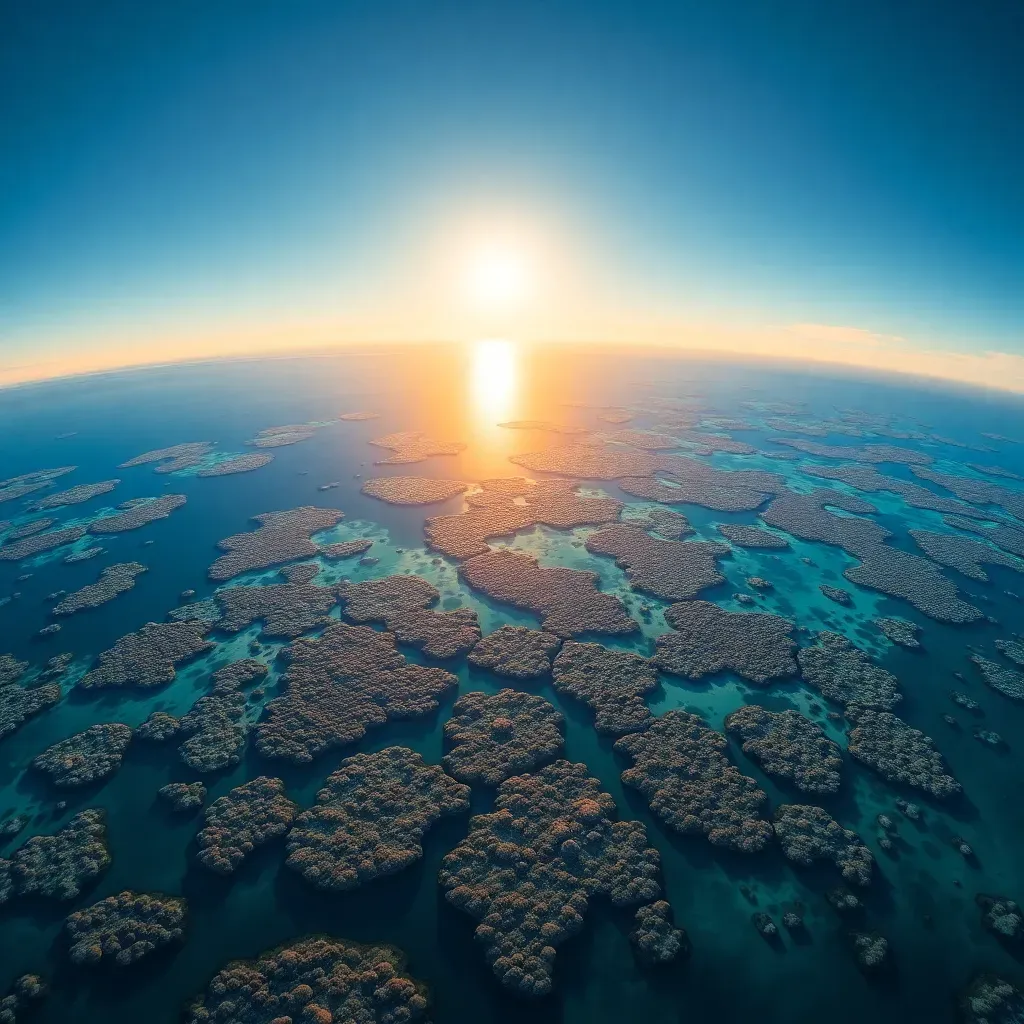
The Reality Behind the Tourist Hype: Why the Great Barrier Reef Is Overrated
Many travelers arrive with high hopes, expecting dazzling coral gardens and abundant sea life. However, the reality often falls short. Overcrowded tourist sites mean boats and visitors concentrate in popular spots, causing damage and reducing the quality of the experience. Visitors report seeing bleached, dull corals instead of vibrant reefs, and fewer colorful fish.
This mismatch between expectations and reality is a classic example of an overhyped travel spot. The Great Barrier Reef’s reputation as a must-see destination is partly based on images from healthier times, leading to disappointment for some tourists. Snorkeling and diving trips can feel disappointing when the reef’s decline is visible, and water visibility is poor.
The reef’s popularity also means it is a crowded site, which adds stress to the environment and reduces visitor satisfaction. Many travelers feel the experience is less authentic and more commercialized than they imagined.
Environmental Factors Accelerating the Reef’s Decline
The main driver of coral bleaching is rising ocean temperatures caused by global warming. Even a small increase of 1-2 degrees Celsius can cause corals to expel their algae, leading to bleaching. Repeated bleaching events leave less time for recovery.
Polluted water from agricultural runoff carries fertilizers and pesticides into the reef area. These substances promote algae growth that smothers corals and reduce water quality. Sediment from land clearing clouds the water, blocking sunlight corals need to survive.
Overfishing removes key species that keep the reef ecosystem balanced. Without predators and herbivores, algae can overgrow and suffocate corals. The loss of marine biodiversity weakens the reef’s resilience.
Extreme weather events like cyclones physically damage coral structures. Ocean acidification, caused by increased CO2 absorption, reduces corals’ ability to build their skeletons, slowing growth and repair.
Tourism’s Double-Edged Sword: Economic Benefits vs. Environmental Costs
Tourism is vital for Australia’s economy, especially in coastal communities near the reef. It creates jobs and supports local businesses. However, the tourism impact on the reef is significant. Boats can damage coral by dropping anchors or running aground. Waste and pollution from tourist activities add to environmental stress.
Efforts to promote sustainable tourism include limiting visitor numbers, enforcing no-anchor zones, and educating tourists about reef protection. Some operators use eco-certified practices to reduce harm. Still, these measures face challenges due to the sheer volume of visitors and enforcement difficulties.
Responsible tourism initiatives show promise but need wider adoption and stronger policies to truly protect the reef.
Why Snorkeling in the Great Barrier Reef Often Disappoints Visitors
Popular snorkeling spots like the Outer Reef and certain lagoon areas once dazzled with colorful coral and abundant fish. Today, many of these sites show signs of reef degradation. Bleached corals lose their vibrant hues, and fish populations have declined.
Environmental decline causes reduced water clarity and safety concerns, such as stronger currents and jellyfish presence. These factors lower the quality of snorkeling experiences.
In comparison, some lesser-known sites in Australia and nearby regions offer healthier reefs with better marine biodiversity. These alternatives provide more satisfying snorkeling and diving opportunities.
Alternative Marine Destinations Worth Visiting
Travelers seeking authentic and less crowded experiences can explore other coral reefs and marine parks. Examples include:
- Ningaloo Reef in Western Australia – Known for whale sharks and pristine coral.
- Lord Howe Island – A UNESCO World Heritage site with diverse marine life.
- New Caledonia’s Barrier Reef – Less visited and well-preserved coral ecosystems.
- Belize Barrier Reef – A healthy reef system in the Caribbean with strong conservation efforts.
Choosing these less crowded and well-managed sites supports environmental conservation and offers more genuine encounters with marine life.
The Role of Climate Change in the Great Barrier Reef’s Future
Climate change is the biggest threat to the reef’s survival. Rising ocean temperatures cause frequent bleaching events, while ocean acidification weakens coral growth. Scientists warn that if current trends continue, large parts of the reef could be lost within decades.
Global efforts to reduce carbon emissions are crucial to slow these changes. Protecting the reef also requires local actions to reduce pollution and manage tourism responsibly.
Community and Indigenous Perspectives on Reef Conservation
Indigenous Australians have cared for the reef for thousands of years, holding deep cultural and spiritual connections to the marine environment. Their traditional knowledge offers valuable insights into sustainable management.
Community-led conservation projects integrate Indigenous practices with modern science to protect the reef. These efforts emphasize respect for nature and promote sustainable tourism that benefits local people.
Local voices play a key role in shaping policies that balance economic needs with ecological preservation.
How Tourists Can Help: Responsible Travel Tips for Visiting the Reef
Visitors can reduce their impact by following simple guidelines:
- Choose eco-certified tour operators who follow reef-friendly practices.
- Avoid touching or standing on corals to prevent damage.
- Use reef-safe sunscreen to protect marine life.
- Respect wildlife and maintain a safe distance.
- Support reef conservation projects through donations or volunteering.
- Limit plastic use and dispose of waste properly.
By traveling responsibly, tourists help preserve the reef for future generations.
Comparison of Tourist Destinations: Environmental Health & Visitor Satisfaction
The Economic and Emotional Impact of a Declining Reef on Tourism
The reef’s decline affects local economies dependent on tourism. Businesses face reduced visitor numbers as the reef’s appeal fades. This economic strain impacts communities and livelihoods.
Tourists and locals alike express sadness and frustration witnessing the reef’s deterioration. Many share stories of once-magical experiences now tinged with disappointment. Conservationists emphasize the urgency to act before the reef’s loss becomes irreversible.
Comparing the Great Barrier Reef to Other Overrated Tourist Destinations
| Destination | Environmental Health | Tourist Satisfaction | Accessibility | Conservation Efforts |
|---|---|---|---|---|
| Great Barrier Reef | Declining, fragile | Mixed; often disappointing | High; well-developed | Ongoing but challenged |
| Machu Picchu, Peru | Stable but crowded | Generally positive | Moderate; requires effort | Strong visitor limits |
| Venice, Italy | Pollution and overcrowding | Varied; overrated by some | High | New regulations in place |
| Bora Bora, French Polynesia | Healthy coral reefs | High satisfaction | Limited; exclusive | Focused conservation |
Lessons from these sites highlight the need for balance between tourism and environment.
Innovations and Technologies Aiming to Save the Reef
Scientists and conservationists use new tools to protect the reef:
- Coral restoration projects grow and transplant resilient coral species.
- Reef monitoring uses drones and satellites to track health changes.
- Pollution control technologies reduce agricultural runoff.
- Educational apps inform tourists about reef-friendly behaviors.
While challenges remain, these innovations offer hope for recovery.
Public Awareness and Media Influence on the Reef’s Reputation
Media coverage shapes how people see the reef. Marketing often shows idealized images, creating high expectations. Social media amplifies these images, sometimes hiding the reef’s real condition.
This gap between tourist expectations and reality can lead to disappointment. Transparent, science-based information is essential to prepare travelers and promote responsible tourism.
What Every Traveler Should Know About the Dying Great Barrier Reef
The Great Barrier Reef is a dying natural wonder facing serious threats from climate change, pollution, and tourism pressures. While still awe-inspiring, many parts are declining and fragile, making it an overrated destination for some visitors.
Travelers should seek informed, responsible experiences, supporting conservation and choosing sustainable options. Protecting the reef requires global and local efforts to ensure it survives for future generations.
Opinions from Real Travelers and Experts
“Visiting the reef was a bittersweet experience. The beauty is still there, but the bleaching was heartbreaking to see.” – Marine Biologist Dr. Lisa Nguyen
“I expected vibrant coral and fish everywhere, but many snorkeling spots were disappointing. It felt crowded and fragile.” – Tourist from California
“Community-led conservation, especially involving Indigenous knowledge, gives me hope for the reef’s future.” – Environmental Activist John Miller
References and Further Reading
What do you think about the current state of the Great Barrier Reef? Have you visited the reef or other marine destinations? How would you like to see tourism and conservation balance in such fragile ecosystems? Share your thoughts, questions, or experiences in the comments below!
 Uluru deceives tourists: the shocking truth behind the hype revealed
 Islas Whitsunday decepcionan: descubre la verdad que nadie te cuenta
 La Gran Barrera de Coral sosa: The shocking truth no one tells you
Si quieres conocer otros artículos parecidos a Dying Great Barrier Reef: Shocking Truth You Can’t Ignore puedes visitar la categoría Oceania.
Leave a Reply