
Uluru sunset disappointment: What no one tells you before visiting
- Uluru’s Global Fame and Tourist Appeal
- Why Uluru Sunset Is Often Considered Overrated
- The Impact of Mass Tourism on Uluru’s Sunset Experience
- Alternative Sunset Viewing Locations: Less Crowded and More Authentic
- Real Visitor Experiences: What People Say About the Uluru Sunset
- How to Manage Your Expectations and Enhance Your Uluru Sunset Experience
- Comparing Uluru to Other Overrated Tourist Destinations
- Is Uluru Sunset Worth It? A Balanced View
- Opiniones
- Sources and Further Reading
Uluru’s Global Fame and Tourist Appeal
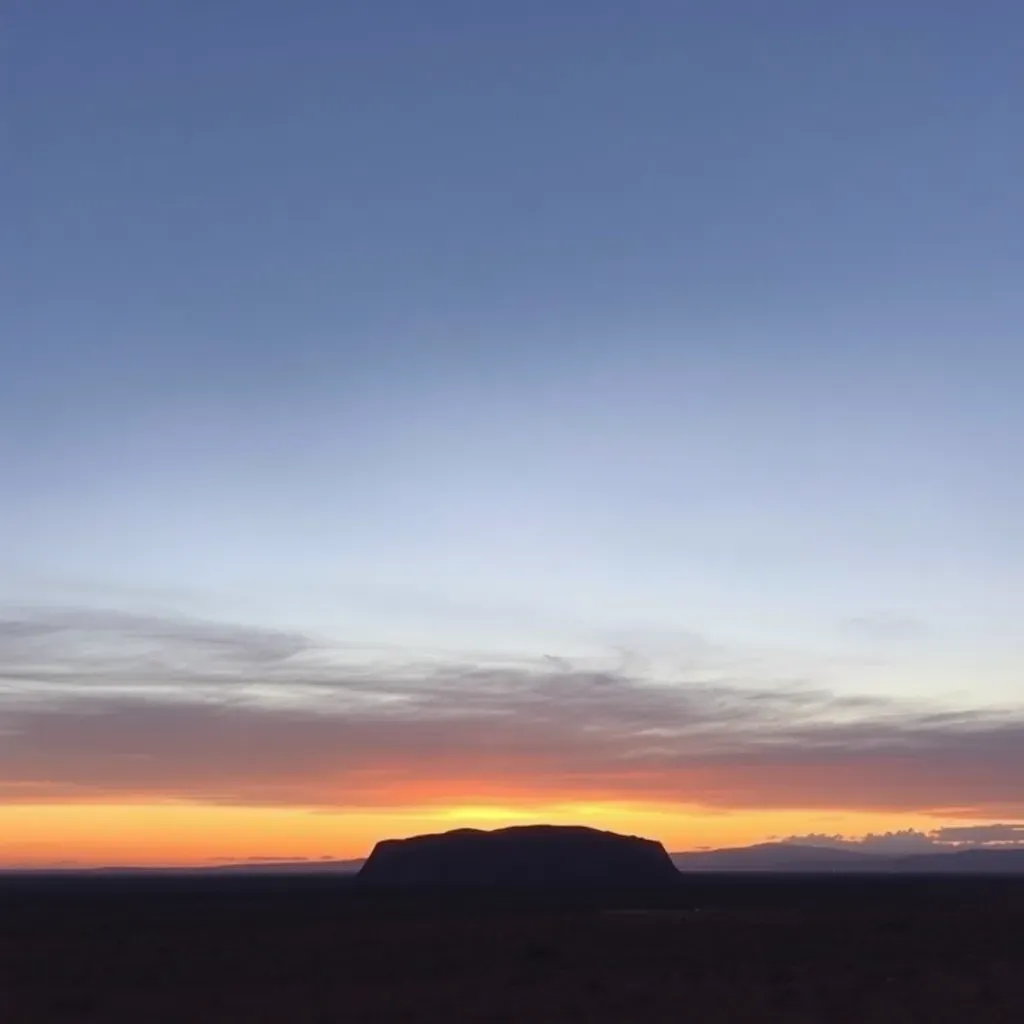
Uluru, also known as Ayers Rock, stands as one of the most recognizable natural landmarks in the world. Its massive sandstone monolith rises dramatically from the flat desert landscape of Australia’s Northern Territory, drawing visitors from across the globe. The rock’s striking appearance at sunset, when it seemingly changes colors, has been widely promoted as a must-see experience.
The cultural and spiritual significance of Uluru to the Anangu people, the traditional custodians of the land, is profound. For thousands of years, Uluru has been a sacred site, rich with stories, ceremonies, and ancestral connections. This deep cultural heritage adds layers of meaning beyond its physical beauty.
Australia Tourism has played a significant role in shaping Uluru’s image as a premier tourist destination. Marketing campaigns emphasize the dramatic desert landscapes and the mystical allure of the Uluru-Kata Tjuta National Park. These efforts have successfully attracted millions of visitors, eager to witness the natural wonder and immerse themselves in the unique environment.
The park itself offers more than just Uluru. The nearby Kata Tjuta rock formations and the expansive desert landscapes provide a stunning backdrop that highlights Australia’s rugged beauty. Visitors often come expecting a transformative experience, combining nature, culture, and adventure in one place.
Why Uluru Sunset Is Often Considered Overrated
Many visitors arrive with high hopes, anticipating a spectacular display of vibrant reds, oranges, and purples as the sun dips below the horizon. However, the reality can be quite different, leading to feelings of disappointment or underwhelm.
One major factor is overcrowding. Popular viewing spots around Uluru become packed with tourists, creating a noisy, crowded, and sometimes chaotic atmosphere. This touristy environment detracts from the natural serenity many expect.
Commercialization around the site also plays a role. Overpriced amenities, souvenir shops, and organized tours can feel intrusive, turning what should be a peaceful moment into a commercial spectacle.
Environmental conditions such as weather, dust, and haze often affect visibility and the intensity of colors during sunset. On many days, the sky may be overcast or the air dusty, muting the vibrant hues that photos often promise.
Additionally, cultural respect and conservation efforts impose viewing restrictions. Certain areas are off-limits to protect sacred sites and fragile environments, limiting where visitors can watch the sunset. This can reduce the variety of perspectives and photo opportunities.
The gap between expectations and reality—the travel experience gap—is a common source of dissatisfaction. The hype surrounding Uluru’s sunset builds anticipation that is difficult to meet, especially when external factors intervene.
Comparison of Overrated Tourist Destinations
The Impact of Mass Tourism on Uluru’s Sunset Experience
The influx of visitors has significant consequences for both the environment and the cultural integrity of Uluru.
Visitor saturation leads to physical wear and tear on the landscape. Excessive foot traffic causes soil erosion and damages native vegetation. The sacredness of the site can feel diminished when overwhelmed by crowds.
Noise pollution from large groups and commercial activities disrupts the natural ambiance. Litter and the presence of souvenir shops further detract from the pristine desert environment.
Mass tourism also affects the authenticity of the experience. The spiritual atmosphere that once surrounded Uluru is often overshadowed by the hustle of tourist activities, making it harder for visitors to connect deeply with the site’s cultural significance.
Alternative Sunset Viewing Locations: Less Crowded and More Authentic
For those seeking a more genuine experience, exploring lesser-known miradores (viewpoints) in Aboriginal territories around Uluru can be rewarding.
These alternative spots offer several benefits:
- Fewer crowds, allowing for a quieter and more contemplative sunset
- Deeper cultural connection through proximity to Indigenous lands and stories
- Improved photo opportunities with unique angles and perspectives
Accessing these locations respectfully requires awareness and care. Visitors should seek permission where necessary and follow guidelines to protect the environment and cultural heritage.
Local Indigenous guides and tours provide meaningful insights during sunset, sharing stories and traditions that enrich the experience beyond the visual spectacle.
Real Visitor Experiences: What People Say About the Uluru Sunset
“Honestly, the sunset was a bit of a letdown. The crowds were overwhelming, and the colors weren’t as vivid as I expected. Felt more like a tourist trap than a spiritual moment.” – TripAdvisor review, source
“The best part was joining a small Indigenous-led tour at a lesser-known viewpoint. The sunset was beautiful, and the stories shared made it unforgettable.” – Viator review, source
“Too commercialized and crowded. The overpriced snacks and souvenir shops took away from the natural beauty. I wish I had known about quieter spots.” – Expedia review, source
How to Manage Your Expectations and Enhance Your Uluru Sunset Experience
Planning is key to making the most of the Uluru sunset. Here are some tips:
- Visit during shoulder seasons or weekdays to avoid peak crowds
- Arrive early to secure a good spot and enjoy the changing light gradually
- Check weather forecasts to pick days with clear skies for better colors
- Consider combining the sunset with other activities like guided walks or cultural tours
- Respect cultural protocols by not climbing Uluru and following park guidelines
Understanding the cultural and environmental context enriches the experience and fosters respect for this sacred site.
Comparing Uluru to Other Overrated Tourist Destinations
| Destination | Visitor Saturation | Cultural Authenticity | Natural Beauty | Commercialization | Visitor Satisfaction |
|---|---|---|---|---|---|
| Uluru (Australia) | High | Moderate (restricted access) | High | High | Mixed |
| Machu Picchu (Peru) | Very High | High | High | Moderate | Mixed |
| Venice (Italy) | Very High | Low (commercialized) | Moderate | Very High | Mixed to Low |
| Great Barrier Reef (Australia) | High | Low | Very High | Moderate | Mixed |
These destinations share challenges such as overcrowding, commercialization, and a gap between expectations and reality. Managing visitor impact and preserving authenticity remain ongoing concerns.
Is Uluru Sunset Worth It? A Balanced View
The Uluru sunset can be a breathtaking experience, but it often falls short of the high expectations set by marketing and popular media. Overcrowding, commercialization, environmental factors, and cultural restrictions contribute to a feeling of disappointment or underwhelm for many visitors.
Informed travel decisions and realistic expectations are essential. Exploring alternative viewpoints, engaging with Indigenous guides, and respecting cultural protocols can transform the experience into something more meaningful.
Ultimately, preserving Uluru’s cultural and natural heritage requires sustainable tourism practices and a collective effort from visitors, operators, and authorities. Seeking authentic and respectful experiences beyond the typical tourist spots enriches not only the traveler but also the sacred landscape itself.
Opiniones
“Uluru’s sunset was not what I imagined. The crowd made it hard to enjoy, and the colors were not as vibrant as photos online. I recommend exploring other viewpoints.” – Anonymous traveler, TripAdvisor
“Joining a local Indigenous tour changed everything. The sunset was beautiful, but the stories and cultural insights made it unforgettable.” – Review on Viator, Viator
“The commercialization around Uluru is disappointing. It feels like a tourist trap rather than a sacred site. I wish I had done more research beforehand.” – Expedia user, Expedia
Sources and Further Reading
- Ayers Rock Helicopters - TripAdvisor
- Best of Ayers Rock Sunset & Sunrise Tour - Viator
- The Dark Side of Tourism - Love Exploring
- Adventure Tours Red Centre Uluru - TripAdvisor
- Yulara Travel Information - Expedia
- 2-Day Uluru to Alice Springs Tour - Viator
- Best Restaurants with a View in Uluru-Kata Tjuta National Park - Wanderlog
- Tourist Destination Preferences - Quora
- Fun Things to Do in Yulara - Wanderlog
What do you think about the Uluru sunset experience? Have you ever felt disappointed by a famous tourist spot? How would you like to see Uluru and its sunset differently? Share your thoughts, questions, or stories in the comments below!
 Uluru recorrido decepción: la verdad oculta de Ayers Rock
 Blue Hole deceives: the shocking truth travelers hide
Si quieres conocer otros artículos parecidos a Uluru sunset disappointment: What no one tells you before visiting puedes visitar la categoría Oceania.
Leave a Reply