
Great Ocean Road overrated? The shocking truth revealed
- Introduction
- The Great Ocean Road: What Makes It So Popular?
- The Intention Behind Visiting: What Do Travelers Really Expect?
- Why Some Travelers Find the Great Ocean Road Overrated
- Comparative Analysis: Great Ocean Road vs. Alternative Coastal Routes in Southern Australia
- Real Traveler Opinions and Experiences
- Practical Tips for Travelers Considering the Great Ocean Road
- Exploring the Surrounding Areas: Enhancing Your Journey Beyond the Great Ocean Road
- The Broader Context: Why Overrated Tourist Destinations Matter
- Summary and Final Thoughts
- Sources and Further Reading
Introduction
Is the Great Ocean Road truly the dream trip it’s made out to be? This iconic Australian coastal journey has long been celebrated as a must-see destination for travelers worldwide. Stretching along Victoria’s rugged coastline, it promises breathtaking views, unique wildlife, and unforgettable sightseeing stops like the famous Twelve Apostles. But is the hype justified? This article aims to explore whether the Great Ocean Road is overrated and why some visitors feel underwhelmed by their experience. For those seeking genuine, less commercialized travel adventures, honest and balanced insights are essential to set the right expectations.
The Great Ocean Road: What Makes It So Popular?
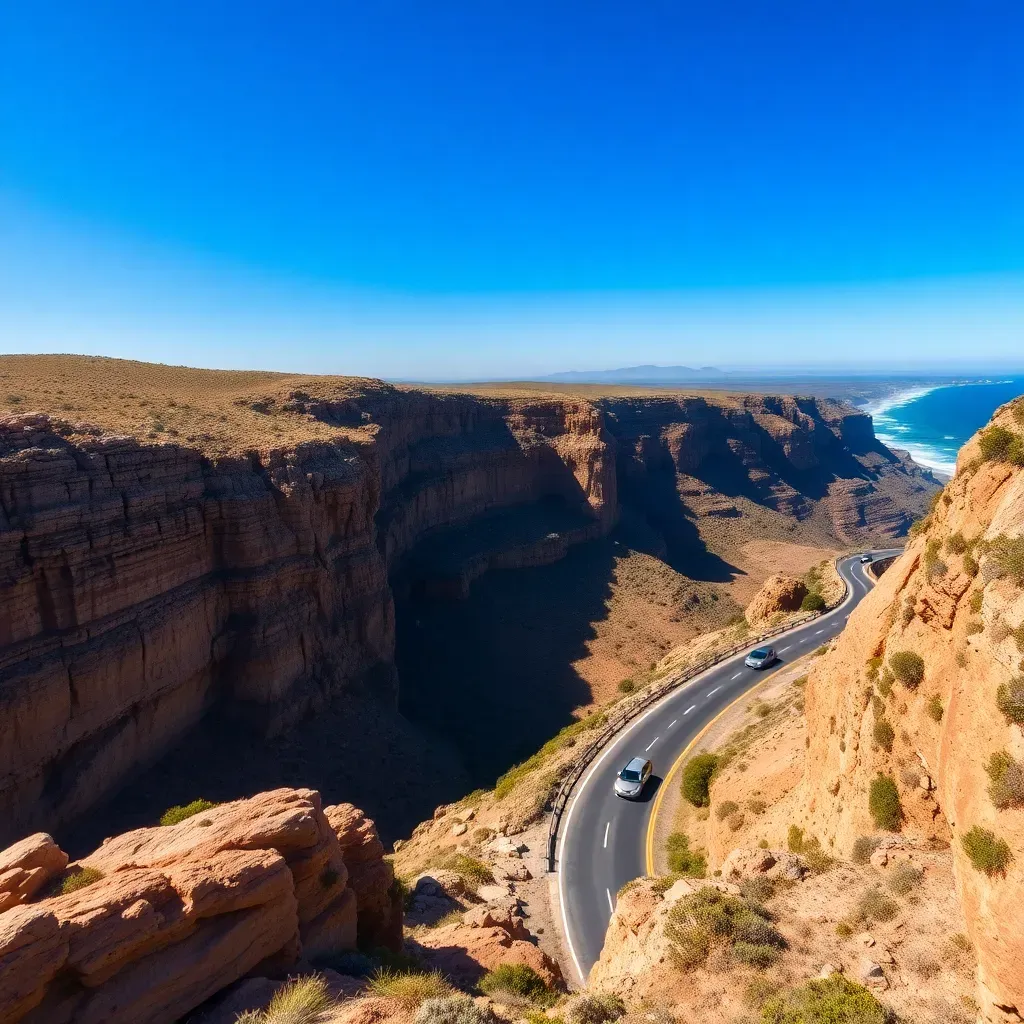
The Great Ocean Road is more than just a scenic drive; it’s a piece of Australian history. Built by returned soldiers between 1919 and 1932 as a war memorial, it stretches over 240 kilometers along the southern coast of Victoria. The route winds through lush rainforests, dramatic cliffs, and pristine beaches, offering a diverse coastal landscape.
Among its key highlights are the Twelve Apostles, towering limestone stacks rising from the Southern Ocean, and the Port Campbell National Park, home to striking rock formations and abundant wildlife. The Surf Coast, known for its excellent surfing beaches, also attracts many visitors.
Typically, tourists embark on a leisurely drive, stopping at lookout points, beaches, and small towns to soak in the views and spot native animals like koalas and kangaroos. This combination of natural beauty and accessibility has made the Great Ocean Road a staple in Australian travel marketing, often promoted as the ultimate road trip for visitors.
The Intention Behind Visiting: What Do Travelers Really Expect?
Travelers drawn to the Great Ocean Road often fall into distinct groups: adventure seekers eager for outdoor activities, nature lovers wanting to experience Australia’s unique wildlife, and first-time visitors hoping to tick off a famous landmark from their bucket list.
Expectations are heavily influenced by glossy travel guides, social media posts showcasing perfect sunsets and empty beaches, and tourism campaigns that emphasize the route’s iconic status. The allure of coastal scenery combined with landmarks like the Twelve Apostles creates a powerful image that shapes what visitors anticipate.
These expectations play a crucial role in how travelers perceive their trip. When reality aligns with the idealized vision, satisfaction soars. However, if the experience is marred by crowds, commercialization, or weather issues, disappointment can set in, leading some to label the Great Ocean Road as overrated.
Why Some Travelers Find the Great Ocean Road Overrated
One of the most common complaints about the Great Ocean Road is the overcrowding. Popular spots like the Twelve Apostles attract large numbers of tourists, especially during peak seasons, which can detract from the natural beauty and make photography challenging. The presence of many visitors often leads to long waits and crowded viewing platforms.
Commercialization is another factor. Along the route, travelers encounter numerous souvenir shops, overpriced cafes, and tourist traps that can feel out of place in such a natural setting. This commercial saturation sometimes leaves visitors feeling that the journey is more about spending money than genuine exploration.
Additionally, some argue that the Great Ocean Road lacks uniqueness compared to other coastal drives. Similar routes along the southern coast of Australia offer equally stunning landscapes but with fewer tourists and a more authentic vibe.
Weather variability also plays a role. The region’s coastal climate can be unpredictable, with sudden rain or wind dampening the experience. For international tourists, the costs associated with flights, car rentals, and accommodations add to the perception that the trip is expensive relative to the value received.
Comparative Analysis: Great Ocean Road vs. Alternative Coastal Routes in Southern Australia
| Criteria | Great Ocean Road | Surf Coast | Shipwreck Coast |
|---|---|---|---|
| Crowd Levels | High, especially at key landmarks | Moderate, less touristy | Low, off-the-beaten-path |
| Cost | Expensive accommodations and food | More affordable options | Budget-friendly, fewer commercial stops |
| Natural Beauty | Iconic rock formations, coastal scenery | Beautiful beaches, surfing spots | Rugged coastline, shipwreck sites |
| Wildlife Encounters | Common koalas, birds, marine life | Good for birdwatching, marine life | Less frequented, more natural habitats |
| Cultural Experiences | Tourist-focused, limited local culture | Local communities, surf culture | Historic shipwreck heritage, Aboriginal sites |
Exploring these alternatives can provide a more immersive and less commercialized travel experience. The Surf Coast and Shipwreck Coast offer quieter roads, authentic local culture, and opportunities to connect with nature away from the crowds.
Real Traveler Opinions and Experiences
“The Great Ocean Road was beautiful, but honestly, it felt overrated. The crowds at the Twelve Apostles made it hard to enjoy the views.” – Reddit user source
“Loved the drive but found the food and souvenirs way too commercialized and expensive. Would recommend exploring smaller towns nearby instead.” – Travel forum comment source
“If you want a peaceful trip with real wildlife and less touristy spots, try the Shipwreck Coast. It’s just as stunning but way less crowded.” – Social media post source
Practical Tips for Travelers Considering the Great Ocean Road
To make the most of a trip along the Great Ocean Road, timing is crucial. Visiting during shoulder seasons like late autumn or early spring can help avoid the busiest crowds and offer milder weather.
Planning a balanced itinerary that includes both popular sights and lesser-known stops can enrich the journey. For example, combining visits to the Twelve Apostles with hikes in Otway National Park or exploring small coastal towns can provide variety.
Budget-wise, travelers should prepare for higher costs on food and accommodation along the main route. Booking in advance and considering local guesthouses or camping can reduce expenses.
Sustainable travel is important here. Visitors should respect local wildlife, avoid littering, and support community-run businesses to minimize environmental and social impact.
Exploring the Surrounding Areas: Enhancing Your Journey Beyond the Great Ocean Road
The areas surrounding the Great Ocean Road offer many opportunities to deepen the travel experience. Otway National Park, with its ancient rainforests and waterfalls, is a perfect spot for hiking and wildlife spotting.
Nearby towns like Lorne and Apollo Bay provide charming local culture, artisan shops, and fresh seafood, giving a break from the tourist crowds.
Suggested itineraries might combine the Great Ocean Road with the Surf Coast or Shipwreck Coast, allowing travelers to experience diverse landscapes and cultural settings in one trip.
The Broader Context: Why Overrated Tourist Destinations Matter
The phenomenon of overhyped travel spots like the Great Ocean Road is common worldwide. Tourism marketing often paints an idealized picture that can lead to inflated expectations.
Overcrowding not only diminishes visitor satisfaction but also puts pressure on local communities and ecosystems. Recognizing these issues encourages more mindful travel choices, promoting sustainability and respect for destinations.
Travelers who seek authentic experiences benefit from researching alternatives and considering less commercialized routes, helping to distribute tourism more evenly and preserve natural and cultural heritage.
Summary and Final Thoughts
The Great Ocean Road remains a stunning coastal route with iconic landmarks and natural beauty. However, it is not without its drawbacks, including crowded spots, commercialization, and high costs that can leave some visitors feeling the trip is overrated.
For travelers who value authentic, less touristy experiences, exploring alternative coastal routes like the Surf Coast or Shipwreck Coast may offer more satisfaction.
Ultimately, personal preferences and expectations shape the experience. Researching thoroughly and tailoring travel plans can help ensure a memorable and genuine journey along Australia’s southern coast.
Sources and Further Reading
What do you think about the Great Ocean Road? Have you experienced it yourself? How would you improve the journey or what alternatives would you recommend? Share your thoughts, questions, or travel stories in the comments below!
 Ayers Rock disappointing? The shocking truth travelers don’t tell you
 Uluru sunset disappointment: What no one tells you before visiting
 Great Ocean Road disappoints: what no one tells you before visiting
Si quieres conocer otros artículos parecidos a Great Ocean Road overrated? The shocking truth revealed puedes visitar la categoría Oceania.
Leave a Reply