
Ayers Rock disappointing? The shocking truth travelers don’t tell you
- Why Is Ayers Rock Considered Overrated? Understanding the Visitor Expectations Gap
- The Reality of Visiting Ayers Rock: What Makes It Disappointing for Some?
- Cultural Significance and Indigenous Heritage: Respect vs. Tourism
- Comparing Ayers Rock to Other Natural Landmarks: Is It Truly Unique?
- Alternative Trekking and Travel Experiences in Aboriginal Territories
- Practical Tips for Travelers Considering Ayers Rock
- Real Traveler Opinions and Experiences: What Do Visitors Really Say?
- The Broader Issue of Overrated Tourist Destinations: Lessons from Ayers Rock
- Is Ayers Rock Worth the Trip? A Balanced Conclusion
- References and Further Reading
Why Is Ayers Rock Considered Overrated? Understanding the Visitor Expectations Gap
Ayers Rock, also known as Uluru, is one of the most heavily marketed tourist destinations in Australia. Its image appears everywhere—from movies to travel brochures—promising a majestic, unforgettable experience. This hype creates sky-high expectations among visitors, many of whom anticipate a grand, awe-inspiring natural wonder that will leave them breathless.
However, the reality often falls short. Visitors expect a vast, pristine wilderness with solitude and spiritual connection, but instead encounter a crowded, touristy site with commercialized facilities. The question often arises: is Uluru overrated? Many say yes, as the underwhelming experience clashes with the intense marketing. Many find the site overpriced for what it offers, especially considering limited activities and restricted access.
This gap between expectation and reality is crucial to understand. The media and tourism campaigns paint Uluru as a must-see landmark, but often omit the practical downsides that affect visitor satisfaction.
Comparison of Ayers Rock (Uluru) and Other Natural Landmarks
The Reality of Visiting Ayers Rock: What Makes It Disappointing for Some?
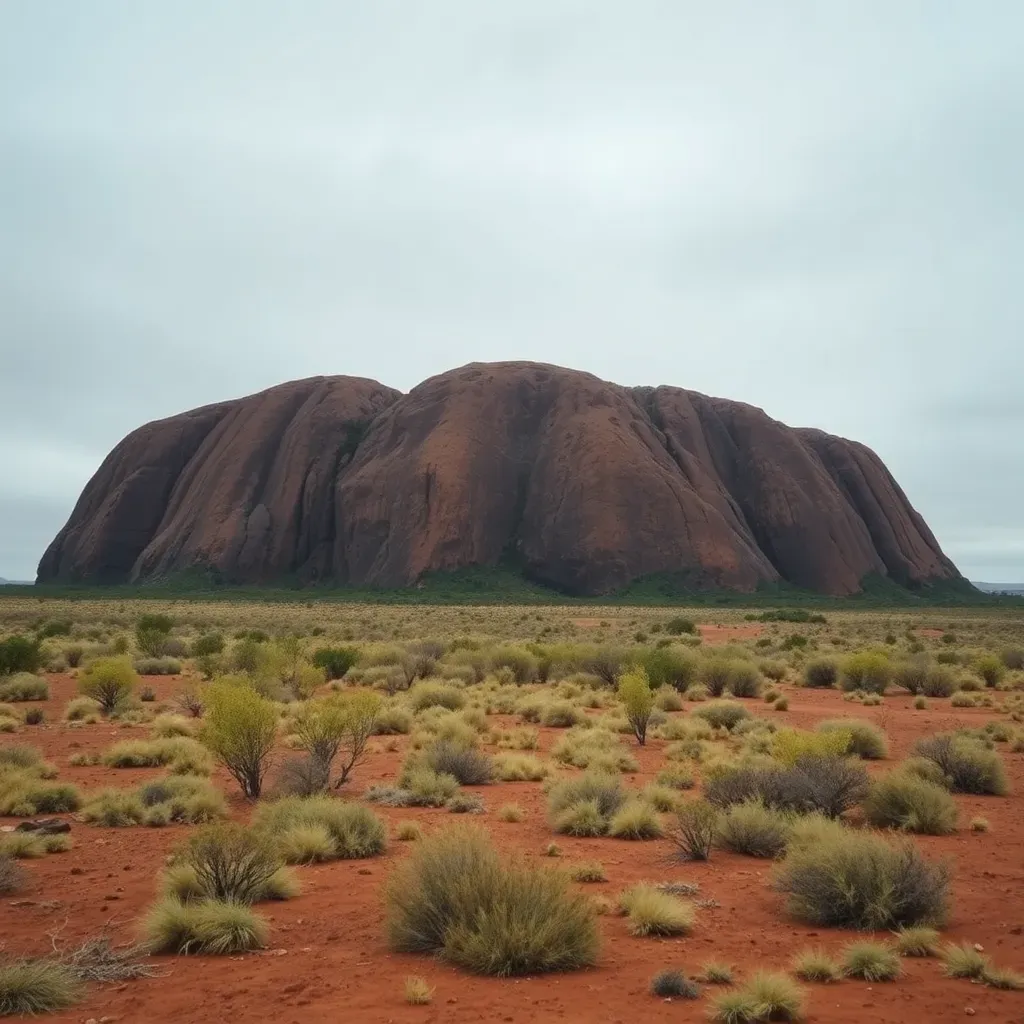
Uluru is a massive sandstone rock formation located in the Northern Territory of Australia. Its sheer size and distinctive red color are striking, but the visitor experience is shaped by more than just the natural feature.
One major factor is the crowded nature of the site. Despite its remote location, Uluru attracts thousands daily, especially during peak seasons. This influx leads to congested viewing areas and a feeling of being part of a tourist herd rather than a unique adventure.
Overcommercialization also detracts from the natural charm. The nearby resort town of Yulara offers hotels and shops, but many visitors find the facilities dull and uninspiring. The focus on tourism infrastructure sometimes overshadows the natural beauty.
Climbing Uluru was once popular but is now banned out of respect for the Anangu people’s cultural wishes. While this is important, it disappoints visitors who expected a hands-on experience. The limited activities beyond viewing the rock contribute to feelings of boredom or dissatisfaction.
Real traveler reviews and truth traveler reviews often mention these points. One visitor wrote, “I expected a spiritual journey but found a crowded parking lot and overpriced souvenirs.” Another said, “The touristy vibe killed the magic for me.”
Cultural Significance and Indigenous Heritage: Respect vs. Tourism
Uluru is not just a landmark; it is a sacred site for the Anangu people, the traditional custodians of the land. Its spiritual significance runs deep, with many stories and ceremonies tied to the rock.
Tourism has created tension between respecting Indigenous culture and catering to visitors. The climbing ban is a prime example—while many tourists feel disappointed, it honors the Anangu’s wishes and protects the site.
Visitors who approach Uluru with cultural sensitivity often find a richer experience. Guided tours led by Indigenous guides offer insights into the cultural significance and history, providing a meaningful connection beyond the visual spectacle.
Engaging respectfully means understanding the landmark is not just a photo opportunity but a living cultural heritage. This awareness can transform a potentially underwhelming visit into a profound one.
Comparing Ayers Rock to Other Natural Landmarks: Is It Truly Unique?
| Feature | Ayers Rock (Uluru) | Devil’s Tower (USA) | Table Mountain (South Africa) | Grand Canyon (USA) |
|---|---|---|---|---|
| Natural Beauty | Iconic red sandstone monolith | Unique volcanic neck formation | Flat-topped mountain with rich flora | Massive canyon with layered rock |
| Accessibility | Remote, requires flight + drive | Accessible by road, hiking trails | Easy cable car access | Multiple viewpoints, hiking options |
| Cultural Significance | High, sacred to Anangu people | Moderate, sacred to Native Americans | Moderate, cultural symbol for locals | Moderate, historical Native American ties |
| Visitor Experience | Crowded, limited activities | Less crowded, climbing allowed | Popular, well-developed facilities | Varied, from crowded to secluded |
| Crowd Levels | High during peak seasons | Moderate | High | Variable |
| Cost | Overpriced accommodations and tours | Moderate | Moderate | Varies widely |
This comparison shows Uluru’s unique cultural value but also highlights its challenges with accessibility, crowding, and cost. It helps explain why some label it overrated compared to other natural attractions. The uluru comparison clearly sheds light on these contrasts, providing useful context for travelers weighing their options.
Alternative Trekking and Travel Experiences in Aboriginal Territories
For travelers seeking authentic and less touristy experiences, several alternative destinations in Indigenous Australian lands offer rich cultural and natural encounters.
- Kata Tjuta (The Olgas) A group of large, domed rock formations near Uluru with hiking trails and fewer crowds.
- Kings Canyon Dramatic sandstone cliffs with scenic walks and cultural storytelling.
- West MacDonnell Ranges Stunning mountain ranges with waterholes, wildlife, and Aboriginal art sites.
These alternatives provide immersive trekking routes that respect Indigenous heritage and offer more engaging activities. Visitors often report higher satisfaction due to the peaceful environment and meaningful cultural interactions.
Practical Tips for Travelers Considering Ayers Rock
Planning a trip to Uluru requires careful consideration to avoid disappointment.
- Visit off-peak Traveling during shoulder seasons reduces crowds and lowers prices.
- Book early Accommodations in Yulara fill quickly and can be expensive.
- Respect cultural guidelines Avoid climbing and participate in Indigenous-led tours.
- Combine attractions Pair Uluru with nearby sites like Kata Tjuta and Kings Canyon for a fuller experience.
- Budget wisely Expect higher costs for food, lodging, and tours due to remoteness.
These tips help travelers maximize value and enjoy a respectful, authentic visit.
Real Traveler Opinions and Experiences: What Do Visitors Really Say?
“I was excited to see Ayers Rock but felt let down by the crowds and lack of activities. The cultural tours were the highlight, though.” – Reddit user source
“Uluru is beautiful but the tourist infrastructure makes it feel like a theme park. I preferred hiking in the West MacDonnell Ranges.” – TripAdvisor review source
“The climb ban was disappointing at first, but learning about the Anangu culture gave me a new appreciation for the place.” – Travel blog source
These truth traveler reviews reflect a mix of disappointment and appreciation, underscoring the importance of managing expectations and embracing cultural respect.
The Broader Issue of Overrated Tourist Destinations: Lessons from Ayers Rock
Ayers Rock exemplifies a global pattern where overhyped travel spots generate inflated expectations that lead to visitor dissatisfaction. Social media and aggressive marketing fuel this cycle, often glossing over practical realities like crowding and limited activities.
Understanding this helps travelers approach destinations with a critical eye. Instead of chasing popular tourist attractions blindly, seeking authentic, less commercialized experiences often leads to greater satisfaction.
Tips to avoid disappointment include researching beyond glossy images, reading diverse traveler reviews, and prioritizing cultural and natural authenticity over popularity.
Is Ayers Rock Worth the Trip? A Balanced Conclusion
Ayers Rock remains a culturally significant and visually striking landmark, but it is not without its flaws. Many visitors find it overrated due to crowded conditions, limited activities, and overpriced services.
However, those who approach Uluru with respect for Indigenous culture and realistic expectations often find a meaningful experience. Combining Uluru with alternative nearby sites enhances the trip’s value.
Ultimately, whether Ayers Rock is worth the visit depends on individual travel styles and priorities. Experienced travelers seeking authentic, immersive adventures may prefer exploring lesser-known Aboriginal territories, while others may appreciate Uluru’s iconic status despite its drawbacks.
References and Further Reading
What do you think about Ayers Rock? Have you experienced the overrated nature of this tourist destination firsthand? Or do you believe its cultural and natural value outweighs the downsides? How would you like to see tourism evolve around Uluru to make visits more meaningful? Share your thoughts, questions, or experiences in the comments below!
 Uluru sunset disappointment: What no one tells you before visiting
 Uluru recorrido decepción: la verdad oculta de Ayers Rock
Si quieres conocer otros artículos parecidos a Ayers Rock disappointing? The shocking truth travelers don’t tell you puedes visitar la categoría Oceania.
Leave a Reply