
Bwindi National Park: The shocking truth about gorilla trekking
- Bwindi National Park: Nature, Wildlife, and Tourism
- The Gorilla Trekking Experience: What Makes It So Challenging?
- Why Bwindi National Park Is Considered an Overrated Tourist Destination
- Travel Logistics: The Exhausting Journey to Bwindi
- Alternative Wildlife Viewing Options: Less Crowded and More Relaxed Experiences
- Practical Advice for Visitors Considering Bwindi National Park
- Real Voices: Opinions and Experiences from Travelers Who Found Bwindi Exhausting
- Is Bwindi National Park Worth the Effort?
- References and Further Reading
Bwindi National Park: Nature, Wildlife, and Tourism
Bwindi National Park, located in southwestern Uganda, is a national park renowned for its dense forest and rich biodiversity. It forms part of the Bwindi Impenetrable Forest, one of Africa’s most important conservation areas. This forest is home to a remarkable variety of wildlife, including over 120 species of mammals and more than 350 bird species. Among its most famous inhabitants are the endangered mountain gorillas, which attract tourists worldwide.
The park’s ecological significance cannot be overstated. It plays a vital role in preserving Uganda’s natural heritage and supporting local communities through eco-tourism. However, the rising popularity of tourist visits has brought both opportunities and challenges. While tourism generates essential revenue for conservation, it also places pressure on the fragile ecosystem and the gorillas themselves.
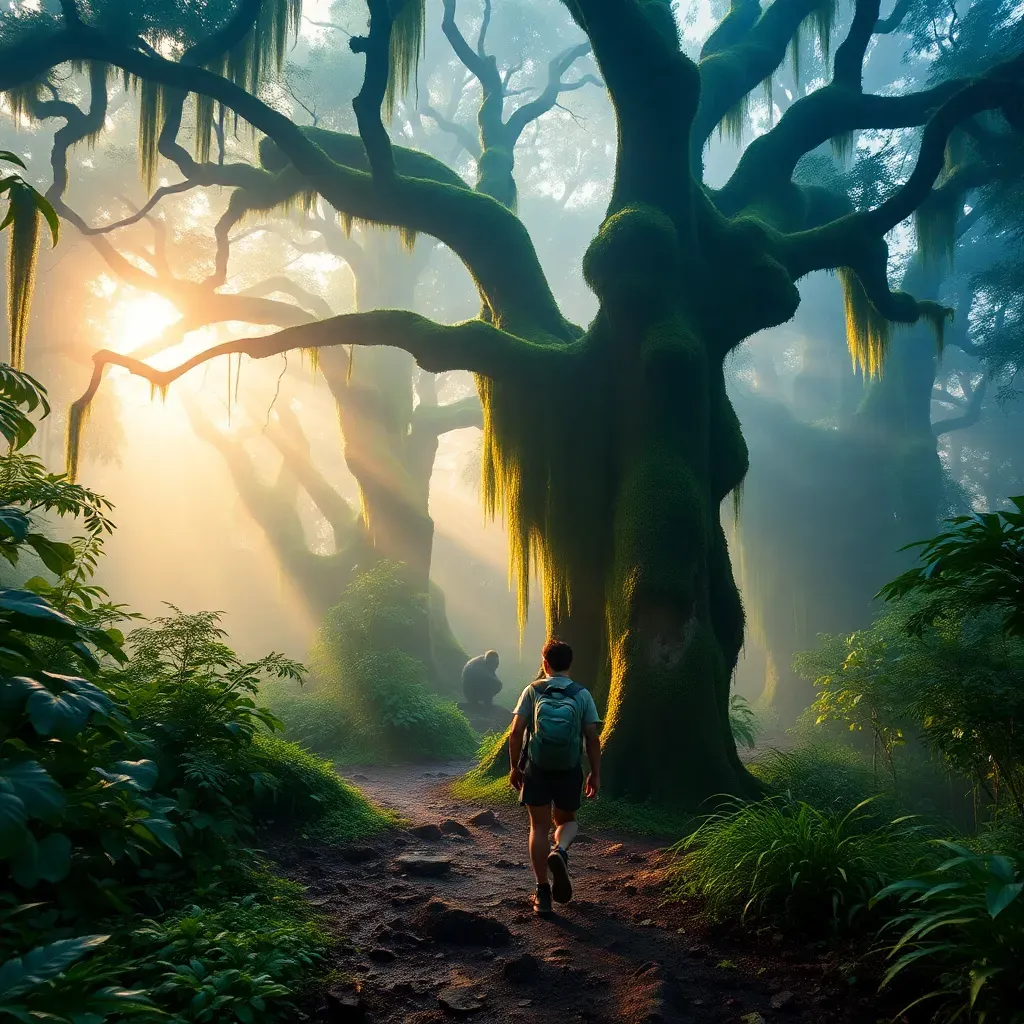
Bwindi’s unique environment offers travelers a chance to experience nature in one of its most pristine forms. Yet, the dense vegetation and rugged terrain make it a demanding destination for visitors seeking authentic wildlife encounters.
The Gorilla Trekking Experience: What Makes It So Challenging?
Gorilla trekking in Bwindi is often described as a once-in-a-lifetime adventure, but it is also a physically challenging endeavor. Trekkers must navigate steep, uneven trails through thick forest undergrowth, often for several hours. The routes vary depending on the gorilla family being tracked, but most hikes last between two to six hours.
The strenuous nature of the trek is compounded by the park’s altitude, which ranges from 1,160 to 2,607 meters above sea level. Visitors frequently face humid and unpredictable weather conditions, including heavy rain and slippery paths. These factors contribute to the exhausting and sometimes tiring experience reported by many.
Physical preparation is essential. Trekking requires good stamina, balance, and appropriate gear such as sturdy hiking boots, long-sleeved clothing for protection against insects and vegetation, and rain gear. Despite the physical demands, the emotional reward of observing mountain gorillas in their natural habitat often outweighs the hardships.
Why Bwindi National Park Is Considered an Overrated Tourist Destination
Despite its fame, Bwindi National Park has received criticism from some travelers who consider it an overrated tourist destination. Common complaints include overcrowding on popular trekking routes, long waiting times for permits, and the high cost of the experience relative to the physical effort required.
Many visitors find the trekking experience disappointing when expectations are not met, especially if the gorilla encounter is brief or the group size is large. Compared to other gorilla trekking sites like Mgahinga Gorilla National Park in Uganda or Volcanoes National Park in Rwanda, Bwindi can feel more crowded and draining.
Tourism pressure has also raised concerns about the impact on gorilla behavior and habitat. Increased human presence may stress the animals and degrade the environment, challenging the sustainability of the eco-tourism model.
Whether Bwindi is truly an overhyped travel spot depends on individual expectations and fitness levels. For some, the unique wildlife encounter justifies the effort; for others, the physical and logistical challenges overshadow the experience.
Travel Logistics: The Exhausting Journey to Bwindi
Reaching Bwindi National Park is often a journey in itself. From Kampala, the capital of Uganda, travelers face a long and bumpy road trip of approximately 9 to 10 hours. Public transport options like buses and shared minibuses are affordable but can be unreliable and uncomfortable, adding to travel fatigue.
Alternatives include domestic flights to nearby airstrips such as Kisoro or Kihihi, followed by a car transfer to the park. While faster, these options are more expensive and less accessible for budget travelers. Private transfers and organized tours offer convenience but come at a premium.
The rough roads and remote location mean that many visitors arrive already tired, which can affect their stamina during the demanding gorilla trek. Planning travel carefully to allow rest days before trekking is advisable to minimize exhaustion.
Alternative Wildlife Viewing Options: Less Crowded and More Relaxed Experiences
For travelers seeking similar wildlife experiences without the physical strain or crowds, several alternatives exist. Uganda and neighboring countries offer other parks with gorilla trekking and primate viewing opportunities.
| Park | Trekking Difficulty | Crowd Levels | Costs (Approx.) | Wildlife Diversity | Accessibility |
|---|---|---|---|---|---|
| Bwindi National Park | High (strenuous hikes) | High (popular, crowded) | $600 - $700 (permit only) | Mountain gorillas, other primates, birds | Remote, long road travel |
| Mgahinga Gorilla National Park | Moderate (shorter hikes) | Low to moderate | $450 - $550 (permit) | Mountain gorillas, golden monkeys | More accessible, shorter travel |
| Volcanoes National Park (Rwanda) | Moderate to high | Moderate | $700 - $800 (permit) | Mountain gorillas, golden monkeys | Good infrastructure, flights available |
Other options include golden monkey tracking and gorilla habituation experiences, which tend to be less physically demanding and offer more intimate wildlife encounters.
Practical Advice for Visitors Considering Bwindi National Park
Preparation is key for a successful visit to Bwindi. Prospective trekkers should:
- Engage in physical training focusing on endurance and balance.
- Visit during dry seasons (June to September, December to February) to avoid slippery trails.
- Book gorilla permits well in advance due to limited availability.
- Choose reputable guides and tour operators who prioritize safety and sustainability.
- Carry sufficient water, insect repellent, and wear protective clothing.
- Be aware of altitude sickness symptoms and take necessary precautions.
- Respect local customs and support community-based tourism initiatives.
These steps help mitigate the tiring aspects of the trek and contribute to conservation efforts.
Real Voices: Opinions and Experiences from Travelers Who Found Bwindi Exhausting
"The trek was much harder than I expected. The steep slopes and thick vegetation made it really exhausting. But seeing the gorillas up close was unforgettable." – Sarah, USA
"I felt the park is a bit overrated. The crowds and the long wait for permits took away from the experience. The trek was tiring and not as peaceful as I hoped." – Mark, Canada
"Local guides were fantastic and helped us manage the tough trails. The wildlife and nature here are truly special, but you must be ready for a strenuous hike." – Emily, UK
Comparison of Gorilla Trekking Parks: Difficulty, Crowds & Costs
Is Bwindi National Park Worth the Effort?
Bwindi National Park offers a unique chance to witness endangered mountain gorillas in their natural forest habitat. Its ecological importance and the thrill of gorilla trekking attract adventurers from around the world. However, the experience is undeniably challenging and can be exhausting due to the park’s rugged terrain, weather, and logistical hurdles.
For travelers with good physical fitness and a passion for wildlife, Bwindi can be a rewarding destination. Yet, those expecting an easy or crowd-free trek may find it overrated and tiring. Considering alternative parks or less demanding activities might better suit some visitors.
Ultimately, weighing personal expectations, fitness, and travel style is crucial before embarking on a Bwindi adventure.
References and Further Reading
What do you think about the challenges of gorilla trekking in Bwindi National Park? Have you experienced the trek yourself, or are you considering it? How do you feel about the balance between adventure and exhaustion in such trips? Share your thoughts, questions, or experiences in the comments below. For example, what would make the trek more enjoyable for you? Or, how do you compare Bwindi to other wildlife destinations you’ve visited?
 Drakensberg Mountains disappoint: The shocking truth travelers hide
 Lago Nakuru decepciona: descubre la verdad oculta que nadie te cuenta
 Bran Castle overrated? Discover the shocking truth behind the hype
Si quieres conocer otros artículos parecidos a Bwindi National Park: The shocking truth about gorilla trekking puedes visitar la categoría Africa.
Leave a Reply