
Lago Nakuru decepciona: descubre la verdad oculta que nadie te cuenta
- Why Lake Nakuru Is So Popular: The Origins of Its Fame
- The Reality Check: Why Some Visitors Feel Lake Nakuru Disappoints
- The Ecology: Why the Lake Sometimes Fails to Reflect Flamingos
- Alternative Rift Valley Lakes and Parks Worth Visiting
- The Impact of Tourism on Lake Nakuru: Balancing Conservation and Visitor Expectations
- What to Expect When Visiting Lake Nakuru Today: A Practical Guide
- Real Opinions From Travelers: Voices on the Ground About Lake Nakuru
- How to Decide If Lake Nakuru Is Right For You: Weighing Pros and Cons
- The Hidden Truth About Lake Nakuru’s Reputation
- Sources and Further Reading
Why Lake Nakuru Is So Popular: The Origins of Its Fame
Lake Nakuru National Park, nestled in Kenya’s Rift Valley, has long been celebrated as a premier wildlife destination. Its fame largely stems from the iconic images of vast flocks of flamingos painting the lake’s shores pink, a sight that has captivated travelers worldwide. The park’s designation as a UNESCO World Heritage site underscores its importance in African wildlife conservation. Beyond flamingos, Lake Nakuru boasts a diverse array of animals including rhinos, lions, and baboons, set against a striking landscape of cliffs and acacia woodlands.
Tourism marketing has played a significant role in amplifying Lake Nakuru’s reputation. Social media posts showcasing the lake’s vibrant birdlife and scenic vistas have created high expectations among travelers. This popularity has made it a bucket-list destination for bird watchers and safari enthusiasts alike. However, the very factors that made Lake Nakuru famous also contribute to some of the challenges it faces today.
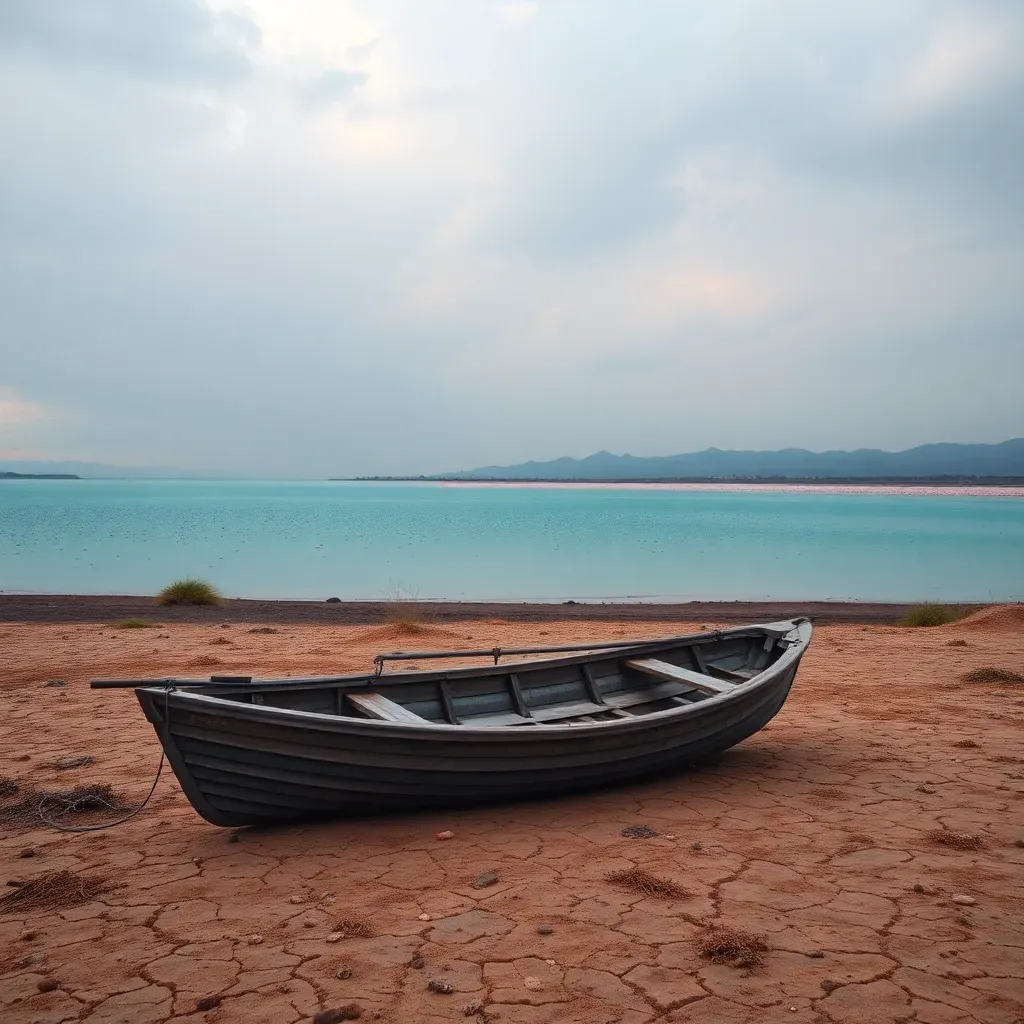
The Reality Check: Why Some Visitors Feel Lake Nakuru Disappoints
Despite its fame, many visitors leave Lake Nakuru feeling disappointed. One of the most common complaints is the seasonal absence or scarcity of flamingos, which can leave the lake looking barren rather than vibrant. Fluctuating water levels, influenced by rainfall and human activity, affect the lake’s ability to sustain large bird populations. This ecological variability means that the iconic pink spectacle is not guaranteed.
Overcrowding is another issue. The park’s popularity results in a touristy atmosphere that detracts from the natural experience. Visitors often report feeling rushed or confined to popular viewing spots, diminishing the sense of wilderness. Wildlife sightings can also be lackluster compared to other Kenyan parks like Maasai Mara, where animals roam more freely and in larger numbers.
Cost is a further concern. Many travelers find the prices for park entry, guided tours, and accommodations to be expensive relative to the experience offered. This combination of factors leads some to label Lake Nakuru as an overrated and underwhelming destination.
The Ecology: Why the Lake Sometimes Fails to Reflect Flamingos
The presence of flamingos at Lake Nakuru is closely tied to the lake’s unique ecology. Flamingos feed primarily on algae that thrive in alkaline, saline waters. Changes in water chemistry, such as shifts in salinity or nutrient levels, directly impact algae growth and thus flamingo populations.
Seasonal rainfall patterns cause water levels to rise and fall, sometimes diluting the lake’s salinity and reducing algae availability. Human activities, including water extraction and land use changes around the lake, further disrupt this delicate balance. When food sources dwindle, flamingos migrate elsewhere, leaving the lake’s shores empty.
Conservation challenges compound these issues. Pollution and invasive species threaten the lake’s ecosystem health, making it harder to maintain stable bird populations. Compared to other Rift Valley lakes like Bogoria or Elementaita, which have more stable conditions, Lake Nakuru’s flamingo numbers fluctuate more dramatically.
Alternative Rift Valley Lakes and Parks Worth Visiting
For travelers seeking reliable wildlife and birdwatching experiences, several nearby Rift Valley lakes offer compelling alternatives:
- Lake Bogoria Known for its abundant flamingos and geothermal hot springs, Bogoria provides spectacular birdlife in a less crowded setting.
- Lake Naivasha A freshwater lake with diverse animals including hippos and water birds, plus boat tours that offer unique perspectives.
- Lake Elementaita Quieter and less touristy, Elementaita is a haven for birdwatchers looking for peaceful observation.
| Lake | Bird Diversity | Wildlife Variety | Tourism Impact | Visitor Satisfaction |
|---|---|---|---|---|
| Lake Nakuru | High but fluctuates | Moderate | High, crowded | Mixed |
| Lake Bogoria | Very high | Moderate | Low to moderate | High |
| Lake Naivasha | Moderate | High | Moderate | High |
| Lake Elementaita | High | Low to moderate | Low | High |
These alternatives often provide more authentic and less overrated experiences, especially for travelers seeking to avoid crowds and overpriced tourism.
The Impact of Tourism on Lake Nakuru: Balancing Conservation and Visitor Expectations
The surge in tourism at Lake Nakuru has brought both benefits and challenges. While tourism generates vital revenue for conservation efforts, it also places pressure on the park’s natural environment. Overcrowding can disturb wildlife behavior and degrade habitats. Managing visitor numbers and ensuring sustainable practices remain ongoing challenges for park authorities.
Kenyan conservation organizations and NGOs are working to promote responsible tourism, emphasizing education and minimizing ecological footprints. For travelers, ethical considerations include respecting park rules, supporting local communities, and choosing eco-friendly tour operators.
Balancing conservation with visitor expectations is crucial to preserving Lake Nakuru’s unique landscape and wildlife for future generations.
What to Expect When Visiting Lake Nakuru Today: A Practical Guide
To make the most of a visit to Lake Nakuru, timing and preparation are key. The best seasons for wildlife and birdwatching are typically during and just after the rainy seasons when water levels and food availability support larger flamingo populations.
Visitors can expect to see rhinos, baboons, giraffes, and a variety of birds, though flamingo numbers may vary. Guided tours enhance the experience by providing expert knowledge and access to less crowded areas.
Accommodations range from budget lodges to upscale camps, but prices can be high relative to other parks. To avoid crowds, consider visiting early in the morning or late afternoon and explore lesser-known spots within the park.
Comparison of Rift Valley Lakes: Wildlife, Tourism Impact & Visitor Satisfaction
Key Insights
Lake Nakuru offers high bird diversity but experiences significant fluctuations in flamingo populations due to ecological variability, resulting in mixed visitor satisfaction. It faces high tourism impact with overcrowding, which affects the natural experience. In contrast, Lake Bogoria provides very high bird diversity and high visitor satisfaction with lower tourism pressure, making it a preferred alternative for flamingo sightings. Lake Naivasha excels in wildlife variety and maintains high visitor satisfaction with moderate tourism impact. Lake Elementaita is quieter and less touristy, offering a peaceful birdwatching experience with consistently high visitor satisfaction despite lower wildlife variety. Travelers seeking less crowded, authentic wildlife experiences may benefit from visiting these alternative lakes.
Real Opinions From Travelers: Voices on the Ground About Lake Nakuru
“Visited Lake Nakuru last year and was really hoping to see the famous pink flamingos. Unfortunately, the lake was almost empty. Still enjoyed the rhinos but felt a bit let down.” – TripAdvisor
“The park was crowded and felt touristy. The wildlife sightings were okay but not spectacular. I’d recommend Lake Bogoria if you want flamingos.” – Viator Reviews
“Lake Nakuru is beautiful, but you have to manage your expectations. The flamingos come and go. The landscape and other animals make it worth a visit.” – Minube
These voices highlight a common theme: Lake Nakuru’s appeal depends heavily on timing and visitor expectations. While some find it disappointing, others appreciate its unique features despite the challenges.
How to Decide If Lake Nakuru Is Right For You: Weighing Pros and Cons
| Aspect | Pros | Cons |
|---|---|---|
| Wildlife Variety | Rhinos, giraffes, baboons, diverse birds | Flamingo numbers fluctuate; less big game than other parks |
| Tourism Experience | Established infrastructure, guided tours available | Can be crowded and touristy; expensive |
| Landscape & Nature | Scenic cliffs, lake views, diverse habitats | Water levels and ecology vary, affecting aesthetics |
| Accessibility | Close to Nairobi, easy day trips | Limited off-the-beaten-path options within park |
Travelers should consider their priorities: if flamingos and solitude are top, alternatives may be better. If convenience and a variety of animals matter, Lake Nakuru can still be rewarding.
Lake Nakuru’s reputation as a must-see destination is built on stunning wildlife and iconic flamingo gatherings. However, natural fluctuations, ecological challenges, and tourism pressures mean it can often feel overrated or disappointing. Realistic expectations and timing are essential to appreciate its unique offerings.
For those seeking authentic, less crowded experiences, exploring other Rift Valley lakes like Bogoria or Elementaita is advisable. Ultimately, understanding the complex balance between nature and tourism helps travelers make informed choices and enjoy Kenya’s remarkable landscapes responsibly.
Sources and Further Reading
What do you think about Lake Nakuru’s reputation? Have you experienced the flamingo spectacle or found it underwhelming? How would you compare it to other Rift Valley lakes? Share your thoughts, questions, or travel stories in the comments below!
 Monte Batur tiring hike: what no one tells you before sunrise trekking
 Tugela Falls disappoint? Why this landmark may surprise you
Si quieres conocer otros artículos parecidos a Lago Nakuru decepciona: descubre la verdad oculta que nadie te cuenta puedes visitar la categoría Africa.
Leave a Reply