
Serengeti masificado: the shocking truth behind overcrowded safaris
- Understanding the Serengeti’s Global Fame and the Reality of Overcrowding
- The Serengeti National Park: A World-Renowned Wildlife Sanctuary
- Why Is the Serengeti Considered an Overrated Tourist Destination?
- The Dynamics of Serengeti Overcrowding: Causes and Patterns
- How Overcrowding Affects Wildlife, Environment, and Local Communities
- Evaluating Safari Experiences: Why Serengeti May Not Meet Exclusivity Expectations
- Practical Tips for Travelers to Avoid the Crowds in Serengeti
- Comparing Serengeti With Other African Safari Destinations: Pros, Cons, and Alternatives
- The Role of Ecotourism and Sustainable Practices in Reducing Serengeti Overcrowding
- Real Voices: Opinions and Experiences from Visitors and Experts on Serengeti Overcrowding
- Navigating the Truth Behind Serengeti Masificado for a More Fulfilling Safari
- Sources and Further Reading
Understanding the Serengeti’s Global Fame and the Reality of Overcrowding
The Serengeti is undeniably one of the most famous tourist destinations worldwide, especially for those passionate about wildlife and safari adventures. Its vast plains and spectacular animal migrations have captured imaginations for decades. Yet, the growing issue of a Serengeti overcrowded experience contrasts sharply with the dream of peaceful, exclusive wildlife encounters many travelers hold.
Visitors often arrive expecting solitude and intimate moments with nature, only to find themselves amidst a sea of safari vehicles and fellow tourists. This mass tourism Serengeti phenomenon raises important questions about the sustainability and authenticity of such visits. This article aims to uncover the truth behind the Serengeti masificado reality and guide travelers toward more responsible and fulfilling safari experiences.
Preserving the Serengeti’s unique location requires understanding the balance between welcoming visitors and protecting the environment. Sustainable travel choices are key to ensuring this iconic park remains a haven for wildlife and a source of wonder for generations to come.
The Serengeti National Park: A World-Renowned Wildlife Sanctuary
The Serengeti National Park sprawls across approximately 14,763 square kilometers in northern Tanzania. Its vastness encompasses rolling grasslands, riverine forests, and kopjes—rocky outcrops that provide shelter for many animals. This diverse geography supports one of the richest ecosystems on Earth.
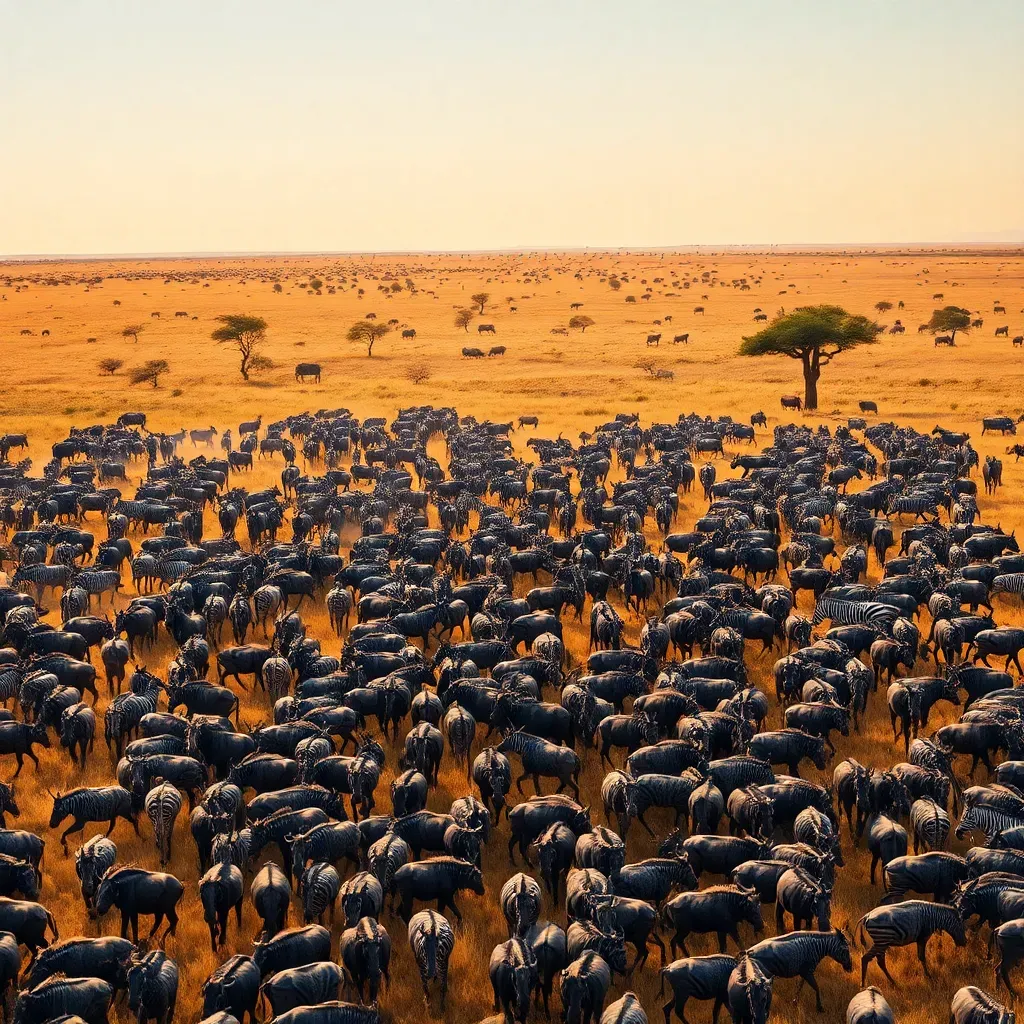
Among its most famous inhabitants are the Big Five—lion, elephant, buffalo, leopard, and rhinoceros—alongside countless other species like cheetahs, giraffes, zebras, and wildebeests. The park is best known for the Great Migration, a breathtaking annual movement of over a million wildebeests and hundreds of thousands of zebras and gazelles chasing fresh grazing grounds.
The Serengeti’s global appeal as a wildlife tourism hotspot draws visitors from all over, eager to witness these natural spectacles. However, this popularity has led to the rise of a tourist-heavy Serengeti, where the sheer number of visitors can sometimes overwhelm the park’s delicate balance.
Why Is the Serengeti Considered an Overrated Tourist Destination?
A destination becomes overrated when the reality fails to meet the expectations set by its reputation. For the Serengeti, many travelers expect a tranquil, exclusive safari experience with uninterrupted wildlife sightings. Instead, they often encounter crowded viewing spots, multiple safari vehicles vying for the same photo opportunity, and a sense of commercialized tourism.
This clash between expectation and reality leads to disappointment. The Serengeti, despite its natural wonders, can feel crowded tourist attractions and congested travel sites diminish the magic. Visitors report feeling rushed, unable to connect deeply with the environment or animals.
Moreover, the mass tourism Serengeti impacts not only visitor satisfaction but also alters animal behavior. Wildlife may avoid heavily trafficked areas, reducing the chances of sightings and affecting the overall experience.
The Dynamics of Serengeti Overcrowding: Causes and Patterns
Several factors drive the Serengeti overcrowded phenomenon. First, global tourism demand has surged, with more travelers seeking the iconic African safari. The Serengeti’s limited access points funnel visitors into specific areas, creating bottlenecks.
Peak seasons, especially during the Great Migration, attract large crowds eager to witness river crossings and predator-prey interactions. These events concentrate tourists in small zones, intensifying congestion.
Comparing the Serengeti to neighboring parks like the Maasai Mara in Kenya reveals similar crowding patterns, though the Serengeti was historically less busy. Seasonal fluctuations heavily influence visitor density, with some months markedly quieter than others.
How Overcrowding Affects Wildlife, Environment, and Local Communities
The ecological consequences of tourist impact and safari overcrowding are significant. Wildlife disturbance is common; animals may change migration routes or feeding habits to avoid human presence. This disruption can have cascading effects on the ecosystem.
Soil erosion and vegetation damage occur as vehicles traverse sensitive areas repeatedly. Water resources face strain from increased human activity, affecting both animals and local communities.
The Maasai and other indigenous groups experience mixed effects. While tourism brings economic benefits, overcrowding can disrupt traditional lifestyles and strain local infrastructure. Conservation efforts face challenges balancing revenue generation with environmental protection.
This paradox—tourism revenue versus sustainability—requires careful management to ensure the Serengeti’s long-term health.
Evaluating Safari Experiences: Why Serengeti May Not Meet Exclusivity Expectations
Many travelers voice complaints about the busy, noisy, and commercialized nature of Serengeti safaris. The reality of multiple safari vehicles converging on rare sightings often leads to a hectic atmosphere, detracting from the sense of wilderness.
This overcrowding can cause rushed wildlife viewing, where guides hurry from one spot to another to satisfy client expectations. The depth of connection with nature suffers as a result.
Popular lodges and camps vary in their impact. Some contribute to crowding by concentrating guests in limited areas, while others adopt sustainable practices to mitigate effects. Lesser-known lodges and private reserves offer more exclusive experiences, often with fewer visitors and closer interactions with wildlife.
Practical Tips for Travelers to Avoid the Crowds in Serengeti
Travelers seeking to escape the crowded tourist attractions of the Serengeti can take several steps:
- Visit during low or shoulder seasons Avoid peak migration months to enjoy fewer tourists and better rates.
- Choose accommodations inside or near the park Early morning game drives from these lodges often encounter fewer vehicles.
- Explore alternative safari activities Guided walks, cycling safaris, and cultural visits offer unique experiences away from the crowds.
- Design a balanced itinerary Focus on fewer locations to deepen wildlife connection and reduce travel fatigue.
- Book with reputable agencies Select operators specializing in sustainable and exclusive safaris to ensure quality and responsible tourism.
Comparing Serengeti With Other African Safari Destinations: Pros, Cons, and Alternatives
| Park | Crowding Levels | Wildlife Diversity | Cost & Accessibility | Authenticity of Experience | Conservation Practices |
|---|---|---|---|---|---|
| Serengeti | High during migration; moderate otherwise | Very high (Big Five, Great Migration) | Moderate to high; remote access | Mixed; can be commercialized | Strong but challenged by tourism |
| Maasai Mara | Very high; smaller area | High (similar to Serengeti) | Moderate; easier access | Often crowded and commercial | Good but tourism pressure |
| Ngorongoro Crater | Moderate; limited space | High; unique crater ecosystem | Moderate; accessible | Authentic but busy | Strong conservation focus |
| Okavango Delta (Botswana) | Low; exclusive access | Very high; diverse habitats | High; costly and remote | Highly authentic and exclusive | Strong ecotourism practices |
For travelers seeking less overrated vacation places and overpopulated tourist areas, destinations like the Okavango Delta or smaller private reserves in Tanzania offer compelling alternatives with fewer crowds and more intimate wildlife encounters.
The Role of Ecotourism and Sustainable Practices in Reducing Serengeti Overcrowding
Ecotourism emphasizes responsible travel that conserves the environment and improves the well-being of local people. In the Serengeti, this means managing visitor numbers, minimizing environmental footprints, and supporting local communities.
Park authorities and NGOs have introduced measures such as visitor caps, controlled vehicle numbers, and promoting off-peak travel. Some lodges adopt green technologies and community-based tourism models.
Travelers can contribute by choosing operators committed to sustainability, respecting park rules, and supporting local initiatives. Successful models in Tanzania and beyond demonstrate that balancing tourism growth with conservation is possible, preserving the Serengeti’s magic for future generations.
Real Voices: Opinions and Experiences from Visitors and Experts on Serengeti Overcrowding
“During my last safari, I was shocked by how many vehicles surrounded the same lion pride. It felt more like a traffic jam than a wilderness experience.” – Sarah M., travel blogger
“The Serengeti is stunning, but the crowds during migration can be overwhelming. I recommend visiting during shoulder seasons for a quieter, more personal safari.” – John K., safari guide
“Local communities benefit from tourism, but we worry about the environmental strain and loss of cultural authenticity as the park gets busier.” – Maasai elder, Tanzania
The Serengeti masificado reality reveals a complex balance between the park’s global fame and the challenges of overcrowding. While the Serengeti offers unparalleled wildlife spectacles, the influx of tourists can diminish the quality of the experience and strain the environment.
Understanding the causes and impacts of overcrowding helps travelers make informed decisions. Choosing the right time, accommodations, and activities can lead to more authentic and exclusive safaris. Embracing sustainable practices supports conservation and local communities, ensuring the Serengeti remains a treasured destination.
Ultimately, preserving the Serengeti’s magic requires collective effort—from park authorities, travelers, and local people alike.
Sources and Further Reading
- Evita estos errores en tu safari en Tanzania
- Consejos para hacer un safari en Tanzania (2025)
- África, un continente para todos los gustos
- Safari: descubre lo mejor y lo peor
- Turismo masivo - Safaris Tanzania
- Safari en Tanzania con Gong Rock Safaris
- Parques naturales de África
- Monorua Adventures - Custom itineraries
- ¿Cuál es la mejor época para visitar Tanzania?
What do you think about the Serengeti overcrowding issue? Have you experienced a tourist-heavy Serengeti safari? How would you like to see sustainable tourism evolve in this iconic park? Share your thoughts, questions, or experiences in the comments below!
 Monte Kilimanjaro overrated? The truth travelers hide
 Parque Kruger disappointed tourists: shocking truths you won’t believe
Si quieres conocer otros artículos parecidos a Serengeti masificado: the shocking truth behind overcrowded safaris puedes visitar la categoría Africa.
Leave a Reply