
Maasai Mara Reserve: Untold Secrets That Will Change Your Safari
- Rethinking the Maasai Mara Reserve Experience
- The Maasai Mara Reserve in Context: Geography, Culture, and Wildlife
- Why Maasai Mara Is Considered Overrated by Some Travelers
- The Reality of Wildlife and Safari Experience in Maasai Mara
- Cultural Authenticity and Community Interaction: Beyond the Safari
- Alternatives to Maasai Mara: Lesser-Known Reserves in Kenya and Tanzania
- Practical Tips for Visiting Maasai Mara Without the Overcrowding and High Costs
- Environmental and Conservation Challenges Facing the Maasai Mara Reserve
- Visitor Experiences and Opinions: What Real Travelers Say About Maasai Mara
- Is Maasai Mara Worth the Hype?
- References and Further Reading
Rethinking the Maasai Mara Reserve Experience
The Reserva de Maasai Mara has long been celebrated as one of Africa’s most iconic safari destinations. Its vast open plains, dramatic wildlife spectacles, and the legendary wildebeest migration attract thousands of visitors annually. However, beneath this glowing reputation lies a growing chorus of voices questioning whether Maasai Mara is truly worth the hype. Many seasoned travelers and wildlife enthusiasts consider it an overrated tourist destination, citing issues like overcrowding, inflated prices, and a commercialized atmosphere that can detract from the authentic safari experience.
This article aims to peel back the layers of the Maasai Mara story, revealing untold secrets and honest perspectives that are often overlooked in mainstream travel guides. By exploring both the strengths and shortcomings of the reserve, readers will gain a balanced understanding that empowers them to make informed decisions. Whether you are planning your first safari or are a repeat visitor seeking a deeper connection with nature and culture, this guide will highlight what to expect, what to question, and where else to consider for a more intimate and sustainable wildlife adventure.
The Maasai Mara Reserve in Context: Geography, Culture, and Wildlife
Located in southwestern Kenya, the Reserva de Maasai Mara spans approximately 1,510 square kilometers of diverse landscapes. The term “Mara” means “spotted” in the local Maasai language, referring to the patchwork of grasslands, acacia trees, and riverine forests that create a mosaic habitat for a rich variety of wildlife.
The reserve is home to the Maasai people, a semi-nomadic pastoralist community known for their vibrant red shukas and deep cultural traditions. The Maasai have coexisted with the wildlife here for centuries, maintaining a delicate balance between their livestock grazing and the natural ecosystem. This coexistence is central to the reserve’s identity, although the pressures of modern tourism and conservation policies have complicated this relationship.
The habitat diversity within Maasai Mara includes open savannah plains ideal for spotting the Big Five—lion, leopard, elephant, buffalo, and rhino—as well as riverine forests along the Mara River, which support crocodiles, hippos, and a myriad of bird species. The reserve also features the dramatic Oloololo Escarpment, providing stunning vistas and unique ecological niches.
Importantly, Maasai Mara forms part of the greater Serengeti ecosystem, extending across the Kenya-Tanzania border. This transboundary ecosystem supports the world-famous wildebeest migration, a natural spectacle that draws global attention and tourism.
Why Maasai Mara Is Considered Overrated by Some Travelers
Despite its fame, many visitors describe the Reserva de Maasai Mara as overrated for several reasons. One of the most common complaints is the crowded nature of the reserve during peak seasons. The influx of safari vehicles can create traffic jams around popular wildlife sightings, diminishing the sense of wilderness and tranquility that many seek.
The reserve is also known for being expensive. High park fees, costly accommodations, and premium-priced tours can make a Maasai Mara safari a significant financial investment. Some travelers feel that the experience does not always justify the price, especially when compared to less commercialized reserves offering similar wildlife encounters at lower costs.
Commercialization has led to a touristy atmosphere in some areas, with souvenir stalls, crowded camps, and heavily marketed cultural shows that may feel staged rather than authentic. This can detract from the genuine connection with the Maasai culture and the natural environment.
The high demand for Maasai Mara safaris also puts pressure on ecotourism and conservation efforts. Overcrowding can lead to habitat degradation, increased pollution, and stress on wildlife. While tourism revenue supports conservation, the balance between visitor numbers and environmental sustainability remains a challenge.
Ultimately, the hype surrounding Maasai Mara as a must-see destination can lead to underwhelming experiences for travelers expecting solitude and untouched wilderness. This has sparked a growing interest in exploring alternative safari locations that offer more intimate and less commercialized encounters.

The Reality of Wildlife and Safari Experience in Maasai Mara
The Reserva de Maasai Mara is undeniably rich in wildlife. Visitors have the chance to see the Big Five and a vast array of other species, including cheetahs, hyenas, giraffes, zebras, and over 450 bird species. The reserve’s claim to fame is the great wildebeest migration, an annual event where over a million wildebeest, accompanied by zebras and gazelles, traverse between the Serengeti and Maasai Mara in search of fresh grazing.
This migration is often called the “Eighth Wonder of the World” due to its scale and drama, especially the perilous river crossings at the Mara River where crocodiles lie in wait. However, witnessing this spectacle requires precise timing, as the migration’s movement varies yearly.
During peak tourist seasons, the sheer number of safari vehicles can impact the quality of wildlife viewing. Vehicles often cluster around sightings, making it difficult to enjoy the animals peacefully or capture unique photographs. The presence of many vehicles can also alter animal behavior, causing some species to avoid heavily trafficked areas.
Safari vehicles and game drives are the primary way visitors explore the reserve. While custom 4x4s offer comfort and accessibility, the standardized safari format can feel repetitive and crowded. Some travelers seek alternatives like guided walking safaris or hot air balloon rides to experience the reserve from different perspectives, though these options come at additional costs.
The impact of tourist traffic on the habitat is a growing concern. Roads and tracks can fragment animal territories, and noise pollution may disturb sensitive species. Responsible tourism practices and visitor awareness are crucial to minimizing these effects.
Cultural Authenticity and Community Interaction: Beyond the Safari
The Maasai people’s culture is a major draw for visitors to the Reserva de Maasai Mara. Many tours include visits to Maasai villages, where travelers can learn about traditional customs, dress, and crafts. However, the authenticity of these experiences varies widely.
Some cultural tours are criticized for being overly commercialized, with staged performances designed primarily for tourist entertainment rather than genuine cultural exchange. This raises ethical questions about the representation of Maasai traditions and the benefits to local communities.
Community-based tourism initiatives aim to bridge this gap by involving Maasai people directly in tourism management and ensuring that proceeds support local development. Projects like The Maa Trust focus on education, health, and conservation, fostering a more sustainable relationship between visitors and residents.
Despite these efforts, challenges remain. Balancing visitor expectations with cultural sensitivity requires ongoing dialogue and respect. Travelers interested in authentic experiences should seek tours that prioritize ethical engagement and support Maasai-led enterprises.
Alternatives to Maasai Mara: Lesser-Known Reserves in Kenya and Tanzania
For travelers wary of the crowded and expensive nature of Maasai Mara, several lesser-known reserves in Kenya and Tanzania offer compelling alternatives. These locations often provide more intimate wildlife encounters, lower visitor density, and competitive pricing.
| Reserve | Size (km²) | Wildlife Diversity | Visitor Density | Approximate Cost |
|---|---|---|---|---|
| Naboisho Conservancy (Kenya) | 150 | High (Big Five, cheetahs, wild dogs) | Low | Moderate |
| Laikipia Plateau (Kenya) | 3,000+ | High (elephants, rhinos, predators) | Low | Moderate to High |
| Samburu National Reserve (Kenya) | 165 | Unique species (Grevy’s zebra, reticulated giraffe) | Low to Moderate | Moderate |
| Selous Game Reserve (Tanzania) | 50,000+ | Very High (elephants, wild dogs, hippos) | Low | Moderate |
| Ruaha National Park (Tanzania) | 20,000+ | High (predators, elephants, diverse birds) | Low | Moderate |
Choosing these alternatives can lead to a more relaxed safari experience with fewer tourists and a stronger focus on conservation and community involvement. They also often support sustainable tourism models that benefit local populations and protect wildlife habitats.
Comparison of Safari Reserves: Size, Visitor Density & Cost
Practical Tips for Visiting Maasai Mara Without the Overcrowding and High Costs
To enjoy the Reserva de Maasai Mara while avoiding some common pitfalls, consider these practical tips:
- Visit during shoulder seasons Early June or late October can offer fewer crowds and good wildlife viewing.
- Choose accommodations wisely Camps and lodges vary widely in price and style; budget options exist but book early.
- Book responsible tours Look for operators committed to conservation and community welfare.
- Explore alternative safari formats Guided walking safaris, hot air balloon rides, and night drives provide unique perspectives.
- Plan transportation carefully Flights to the Mara airstrip save time but increase costs; road transfers are cheaper but longer.
Maximizing your safari experience requires balancing comfort, cost, and ethical considerations. Research and flexibility can help you avoid the busiest spots and enjoy a more personal connection with the reserve’s wildlife and culture.
Environmental and Conservation Challenges Facing the Maasai Mara Reserve
The Reserva de Maasai Mara faces significant environmental challenges. Poaching remains a threat to key species, despite ongoing anti-poaching efforts. Habitat loss due to human encroachment and agricultural expansion pressures the reserve’s boundaries.
Tourism itself is a double-edged sword. While it generates vital revenue for conservation, excessive visitor numbers can degrade habitats and disturb wildlife. Managing this balance is a constant challenge for park authorities and conservation organizations.
Local communities and NGOs play a crucial role in preserving the ecosystem. Initiatives that involve Maasai people in wildlife protection and sustainable land use have shown promise. Educating visitors about responsible behavior—such as minimizing noise, staying on designated tracks, and respecting wildlife—is also essential.
Ultimately, the future health of Maasai Mara depends on collaborative efforts that align tourism, conservation, and community interests.
Visitor Experiences and Opinions: What Real Travelers Say About Maasai Mara
“The wildlife is incredible, especially the wildebeest migration, but the crowds and traffic jams of safari vehicles made it less magical than I expected.” – Sarah M., travel blogger source
“We loved the cultural visits to Maasai villages, but some felt staged. Still, the community projects we supported seemed genuine and impactful.” – John D., safari enthusiast source
“The price was steep, and the reserve felt commercialized. Next time, I’d try a less crowded conservancy for a more authentic experience.” – Emily R., wildlife photographer source
Many travelers appreciate the Reserva de Maasai Mara for its spectacular wildlife and cultural richness but express frustration with overcrowding and commercialization. These mixed opinions highlight the importance of managing expectations and considering alternatives.
Is Maasai Mara Worth the Hype?
The Reserva de Maasai Mara remains a world-renowned safari destination with unique attractions like the great wildebeest migration and the chance to see the Big Five in a stunning African landscape. However, it is also a place where high visitor numbers, commercial pressures, and environmental challenges can impact the quality of the experience.
Travelers who value solitude, authentic cultural interaction, and sustainable tourism might find Maasai Mara overrated and prefer exploring lesser-known reserves in Kenya or Tanzania. Those who choose to visit Maasai Mara should plan carefully to avoid peak crowds, select responsible tour operators, and engage respectfully with local communities.
Ultimately, Maasai Mara’s allure is undeniable, but understanding its complexities allows for a more meaningful and realistic safari adventure.
References and Further Reading
- Masai Mara Travel - Top Facts
- Shadows of Africa - Maasai Mara National Reserve
- TripAdvisor - Maasai Mara Activities
- Asilia Africa - Maasai Mara Safaris
- Yellow Zebra Safaris - Maasai Mara
- National Parks Kenya - Maasai Mara
- Official Maasai Mara Website
- Africa Odyssey - Maasai Mara Reserve
- Wikivoyage - Maasai Mara National Reserve
What do you think about the Reserva de Maasai Mara? Have you experienced the reserve yourself or considered alternatives? How would you like to see safari tourism evolve to balance wildlife conservation and visitor satisfaction? Share your thoughts, questions, or stories in the comments below!
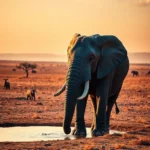 Etosha National Park: The surprising truth behind Africa’s safari
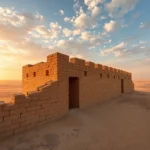 Muralla de las Arenas de Lehm: The shocking truth revealed
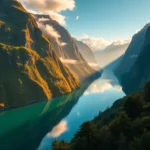 Fiordos de Nueva Zelanda: descubre el secreto que nadie te cuenta
Si quieres conocer otros artículos parecidos a Maasai Mara Reserve: Untold Secrets That Will Change Your Safari puedes visitar la categoría Africa.
Leave a Reply