
Las Cataratas del Iguazú: The Shocking Truth No One Tells You
- Why Iguazú Falls Is So Famous — And Why That Might Be Misleading
- The Overhyped Experience: Common Visitor Complaints and Realities
- Seasonal Realities: Why High Season Can Be Disappointing
- Exploring the Iguazú National Park: What You Need to Know
- Comparing Iguazú Falls to Other Waterfall Destinations: Is It Worth It?
- The Local Impact: Community, Culture, and Tourism Management
- Practical Tips for Travelers Who Still Want to Visit Iguazú Falls
- Opinions From Real Visitors: What People Are Saying About Iguazú Falls
- Is Iguazú Falls Truly Overrated or Just Misunderstood?
- References and Further Reading
Why Iguazú Falls Is So Famous — And Why That Might Be Misleading
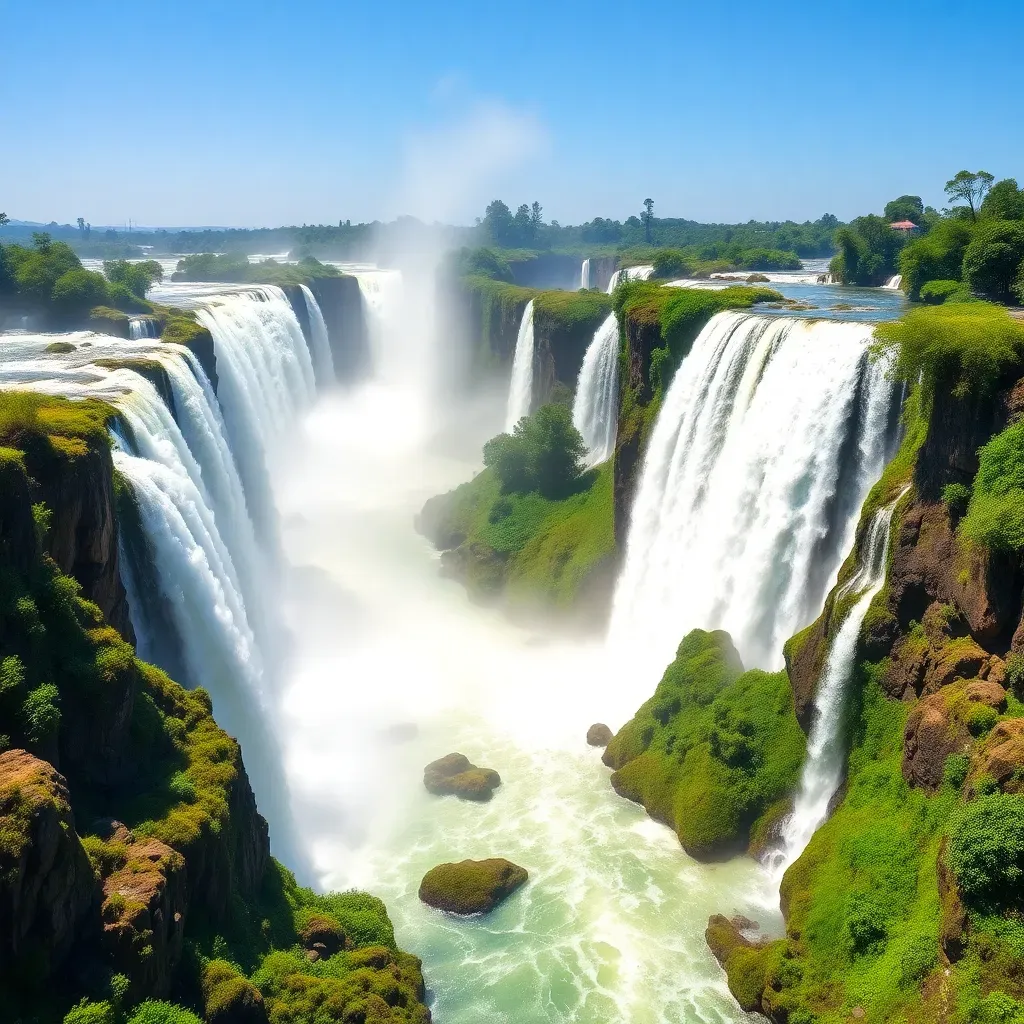
The Iguazú Falls have earned a global reputation as a breathtaking spectacle, recognized as a UNESCO World Heritage site and celebrated as one of the 7 Natural Wonders of the World. Stretching across the border of Argentina, Brazil, and Paraguay, the falls boast an impressive system of over 270 separate waterfalls cascading along the Iguazú River. This makes it wider than Niagara Falls by about four times, and its sheer scale is often the first reason travelers add it to their bucket lists.
However, the fame of Iguazú Falls is a double-edged sword. The historical and cultural significance of the falls, situated at a tri-border region, adds to its allure. Yet, this same popularity has fueled tourism hype that sometimes inflates expectations beyond reality. Many visitors arrive expecting a pristine, untouched natural paradise but find a heavily commercialized environment instead.
The comparison with other famous waterfalls like Niagara Falls and Victoria Falls often highlights Iguazú’s grandeur in terms of size and number of waterfalls. Still, it also sets a high bar that the actual visitor experience may not always meet. The natural beauty is undeniable, but the surrounding infrastructure and tourist influx can detract from the magic.
The Overhyped Experience: Common Visitor Complaints and Realities
Visitors frequently report that the Iguazú National Park becomes overwhelmingly crowded, especially during peak seasons. The park fills with tourists, leading to noise pollution that disrupts the serene atmosphere many expect. The constant buzz of voices, tour groups, and commercial activity can make it difficult to connect with nature.
Commercialization is another major concern. The presence of numerous shops, restaurants, and large hotel chains near the falls often creates a touristy vibe. This can dilute the natural experience, making some feel like they are in a theme park rather than a wild, untouched environment.
Costs are also a sticking point. The ticket prices for entry, combined with expensive dining options and hotel accommodations, can quickly add up. For travelers on a budget, this can make the trip feel less accessible and more like a luxury experience than an adventure.
Environmental impact is a growing issue. The heavy foot traffic and infrastructure development raise concerns about sustainability and the preservation of the delicate ecosystem. Accessibility challenges, such as limited public transport options and uneven trail conditions, can further complicate the visit.
All these factors contribute to why some visitors find the falls underwhelming despite the hype. The natural wonder is real, but the overall experience may not live up to the lofty expectations set by marketing and social media.
Seasonal Realities: Why High Season Can Be Disappointing
The busiest times at Iguazú Falls are typically from December to February, coinciding with the Southern Hemisphere’s summer, as well as during Easter and other holiday periods. During these months, the park experiences a surge in visitors, leading to overcrowding and long lines.
Weather conditions during high season can also be challenging. The heat and humidity often reach uncomfortable levels, and sudden rain showers can make trail conditions slippery and less enjoyable. Visibility for viewing and photo opportunities can be compromised by mist and rain.
Overcrowding means that popular viewpoints and bridges become congested, limiting the chance to enjoy peaceful moments or capture clear photographs. Many visitors find themselves jostling for space, which detracts from the natural beauty and tranquility they sought.
For those looking for a more authentic and peaceful experience, visiting during shoulder seasons such as April, May, or September can be ideal. These months offer milder weather, fewer crowds, and better chances to enjoy the waterfall system in a more relaxed setting.
Exploring alternative trails and routes on both the Argentine and Brazilian sides can also help avoid the busiest spots. Lesser-known paths often reveal hidden gems of nature and wildlife, providing a richer experience away from the crowds.
Exploring the Iguazú National Park: What You Need to Know
The Iguazú National Park is vast and diverse, featuring a complex network of waterfalls, bridges, and trails that allow visitors to explore different perspectives of the falls. The park is divided mainly between the Argentine and Brazilian sides, each offering unique views and experiences.
Navigating the park efficiently requires some planning. Using a detailed map or hiring a knowledgeable guide can enhance the visit. Guided tours provide context and history, while self-guided options offer flexibility but demand more preparation.
Wildlife is abundant in the park, with species ranging from colorful birds to coatis and butterflies. Observing the local wildlife adds an enriching layer to the visit, but it requires patience and respect for the environment.
Boat tours are popular for those seeking adventure, offering close-up views of the falls from the water. While thrilling, these tours come with safety considerations and can be pricey. Visitors should weigh the pros and cons before booking.
For photography enthusiasts, the best spots are often early in the morning or late afternoon when lighting is softer and crowds thinner. Bringing waterproof gear and lenses suited for wide landscapes can improve the quality of photos.
Comparing Iguazú Falls to Other Waterfall Destinations: Is It Worth It?
| Feature | Iguazú Falls | Niagara Falls | Victoria Falls | Underrated Alternatives |
|---|---|---|---|---|
| Size & Width | 270 waterfalls, ~2.7 km wide | 3 waterfalls, ~1.2 km wide | Single massive waterfall, ~1.7 km wide | Varies, generally smaller but less crowded |
| Accessibility | Moderate; requires border crossing for full experience | Highly accessible, well-developed infrastructure | Remote, requires more travel effort | Often remote, less tourist infrastructure |
| Crowd Levels | High during peak seasons | Very high, especially summer | Moderate to high | Low to moderate |
| Cost | Expensive tickets and accommodations | Moderate | Moderate to high | Generally affordable |
| Natural Beauty | Exceptional, lush jungle setting | Impressive but urban surroundings | Stunning, dramatic gorge | Varies, often pristine |
| Cultural Experience | Rich tri-border culture | Limited cultural immersion | Strong local traditions | Often authentic local cultures |
| Hotel & Restaurant Quality | High-end options but pricey | Wide range, from budget to luxury | Limited luxury options | Basic to moderate |
Travelers seeking less crowded and more authentic experiences might consider alternatives such as Salto del Moconá in Argentina or the lesser-known waterfalls in Brazil’s Chapada dos Veadeiros. These destinations offer natural beauty without the overrated hype and commercial pressures.
The Local Impact: Community, Culture, and Tourism Management
Mass tourism at Iguazú Falls has significant effects on local communities and indigenous cultures. The influx of visitors can strain resources and alter traditional ways of life. Commercialization often overshadows authentic cultural expressions, with local aromas and crafts sometimes replaced by mass-produced souvenirs.
Sustainable tourism initiatives are underway to address these challenges. The national park authorities and local organizations promote eco-friendly practices, such as limiting visitor numbers and encouraging responsible behavior.
Community-led tours and local guides play a crucial role in preserving cultural authenticity and environmental integrity. They offer visitors insights into indigenous traditions and the region’s natural history, fostering a deeper connection.
Balancing tourism growth with conservation remains a complex challenge. Efforts continue to protect the fragile ecosystem while supporting the local economy.
Comparison of Iguazú Falls and Other Famous Waterfalls
Practical Tips for Travelers Who Still Want to Visit Iguazú Falls
To make the most of a visit to Iguazú Falls and avoid common pitfalls, consider the following tips:
- Book tickets online in advance to skip long lines.
- Choose accommodations away from the main tourist hubs for better value and authenticity.
- Visit during shoulder seasons (April-May, September-October) to avoid crowds and harsh weather.
- Pack light, breathable clothing, sturdy shoes for trails, and waterproof gear for boat tours.
- Use local transportation options to cross between Argentina and Brazil sides efficiently.
- Bring a good camera with waterproof protection and extra batteries for capturing the best photos.
- Try recommended restaurants that serve regional cuisine for a cultural experience beyond the falls.
Opinions From Real Visitors: What People Are Saying About Iguazú Falls
"The falls are breathtaking, but the crowds made it hard to enjoy the moment. It felt more like a theme park than a natural wonder." – Travel forum user, 2023
"Visiting in April was perfect — fewer people, cooler weather, and the trails were peaceful. The boat ride was a highlight!" – Blogger, 2022
"Iguazú Falls is definitely overrated if you expect solitude. The commercial areas around the park take away from the natural beauty." – Reddit user, 2021
Is Iguazú Falls Truly Overrated or Just Misunderstood?
Las Cataratas del Iguazú offer an awe-inspiring natural spectacle that few places can rival. Yet, the experience is heavily shaped by personal expectations and timing. The overrated label often stems from overcrowding, commercialization, and high costs that overshadow the falls’ raw beauty.
For travelers who approach Iguazú Falls with realistic expectations and plan carefully—choosing the right season, exploring alternative trails, and engaging with local culture—the visit can be deeply rewarding. It is less about the destination being inherently overrated and more about how one experiences it.
Ultimately, Iguazú Falls remains a must-see for many, but understanding its complexities helps avoid disappointment and fosters a more meaningful connection with this natural wonder.
References and Further Reading
What do you think about the reality behind Las Cataratas del Iguazú? Have you experienced the falls yourself, or are you considering a visit? How would you like to explore this natural wonder differently? Share your thoughts, questions, or doubts in the comments below!
 Vatican City disappointed: the truth no one tells you
 San Francisco cable car disappointment: the hidden truth revealed
Si quieres conocer otros artículos parecidos a Las Cataratas del Iguazú: The Shocking Truth No One Tells You puedes visitar la categoría America.
Leave a Reply