
Ganges contaminated: the shocking truth behind the overrated river
- Unveiling the Reality of the Ganges River as an Overrated Tourist Destination
- The Ganges River: A Sacred Waterway with a Troubling Reality
- Why the Ganges Is Considered an Overrated Tourist Destination
- The Scale and Sources of Pollution in the Ganges River
- Environmental and Health Consequences of the Ganges Contamination
- The Social and Economic Impact on Local Communities
- Efforts and Challenges in Cleaning the Ganges: Why Progress Is Limited
- Alternatives to Visiting the Ganges: Exploring Less Polluted Rivers and Sustainable Travel Options
- Comparative Table: Ganges vs. Other Major Rivers in Terms of Pollution and Tourist Experience
- Real Opinions and Voices: What Travelers and Locals Say About the Ganges Contamination
- How to Travel Responsibly When Visiting the Ganges or Similar Destinations
- The True Cost of Visiting the Ganges and Rethinking Overrated Tourist Spots
- References and Further Reading
Unveiling the Reality of the Ganges River as an Overrated Tourist Destination
The Ganges River holds a unique place in the hearts of millions, symbolizing purity, spirituality, and life itself. For centuries, it has been a pilgrimage site and a cultural icon in India. Yet, beneath this revered surface lies a troubling reality. The river is heavily contaminated, suffering from pollution that threatens both the environment and the health of local communities. This contamination has turned what many expect to be a serene and sacred experience into a chaotic, noisy, and often unsafe visit.
Travelers from around the world come with hopes of witnessing a spiritual journey, but many leave disappointed due to overcrowding, foul smells, and visible garbage. Understanding the environmental and social impacts of the Ganges contamination is essential before planning a visit. This article aims to expose why the Ganges is often seen as an overrated tourist destination and encourages readers to consider the broader implications of tourism on this sacred river.
The Ganges River: A Sacred Waterway with a Troubling Reality
The Ganges River, or Ganga as it is locally known, is more than just a river — it is a lifeline for over 400 million people in India. Originating from the Himalayas, it flows over 2,500 kilometers through major cities such as Varanasi, Allahabad, and Kolkata before emptying into the Bay of Bengal. Its waters are considered holy in Hinduism, believed to cleanse sins and grant salvation.
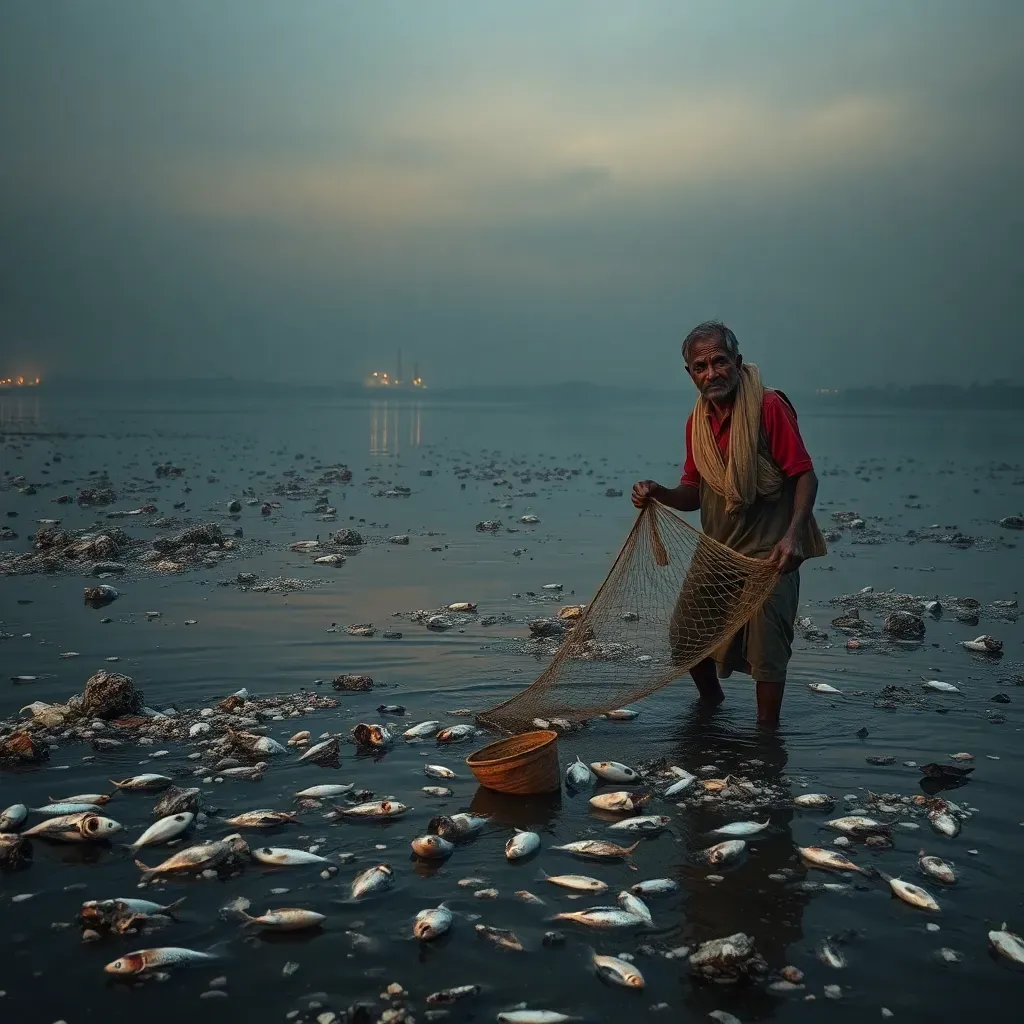
Culturally, the Ganges is central to many religious rituals, festivals, and daily practices. People bathe, wash clothes, and perform ceremonies on its banks. However, this spiritual reverence contrasts sharply with the environmental degradation the river suffers. Industrial waste, untreated sewage, and ritual debris have turned parts of the river into a polluted waterway, threatening the very sanctity it represents.
The Ganges contaminated condition is a harsh reality that clashes with the idealized image many tourists hold. While the river remains a symbol of faith, its ecological health is severely compromised, raising questions about the sustainability of current tourism and local practices.
Why the Ganges Is Considered an Overrated Tourist Destination
An overrated tourist destination is a place that receives more praise and attention than it arguably deserves, often leading to inflated expectations. The Ganges fits this description for many travelers who find the reality disappointing.
Visitors often expect a peaceful, spiritual atmosphere but encounter crowded ghats (riverfront steps), noisy markets, and chaotic boat rides. The pollution adds to the discomfort, with visible garbage and unpleasant odors prevalent along the riverbanks. Many tourists report feeling unsafe due to unhygienic water conditions and the risk of waterborne diseases.
Common complaints include:
- Overcrowding and noise disrupting the spiritual experience
- Unhygienic water making bathing unsafe
- Visual pollution from garbage and industrial waste
- Disorganized tourist infrastructure and chaotic traffic
These factors contribute to the Ganges being labeled as overhyped travel spots or overrated vacation places by some visitors, who expected a more pristine and culturally enriching experience.
The Scale and Sources of Pollution in the Ganges River
The Ganges River faces pollution from multiple sources, each contributing to its degraded state:
- Domestic waste and sewage discharge Millions of liters of untreated sewage flow daily into the river from densely populated cities, overwhelming the natural cleansing capacity.
- Industrial waste and untreated effluents Factories along the riverbanks release toxic chemicals such as chromium, cadmium, and arsenic directly into the water.
- Religious offerings and ritual waste Items like flowers, plastics, and food offerings accumulate, adding to the garbage load and affecting water quality.
- Agricultural runoff Fertilizers and pesticides from nearby farms wash into the river, introducing harmful chemicals and nutrients that disrupt aquatic ecosystems.
Quantitative data reveal alarming pollution levels. For example, water quality tests show high concentrations of coliform bacteria, heavy metals, and chemical pollutants, especially in mid to lower river sections near urban centers like Varanasi. The water often appears murky, with a foul smell and floating debris visible to the naked eye.
Rapid urbanization and inadequate waste treatment infrastructure exacerbate the problem. The river’s ecosystem struggles to cope with the continuous influx of pollutants, leading to widespread environmental degradation.
Environmental and Health Consequences of the Ganges Contamination
The contamination of the Ganges has dire consequences for both the environment and human health:
- Ecological impact The river’s flora and fauna suffer from habitat loss and toxic exposure. Fish populations decline, and biodiversity diminishes, upsetting the natural balance.
- Water quality and availability Polluted water limits access to clean water for drinking, bathing, and irrigation, affecting millions of people.
- Health risks Communities relying on the river face increased incidence of waterborne diseases such as diarrhea, typhoid, and cholera. Exposure to heavy metals can cause long-term health problems including cancer and organ damage.
Case studies from local hospitals document spikes in illnesses linked to contaminated water. Children and vulnerable populations are especially at risk. The long-term environmental degradation threatens food security and livelihoods dependent on the river’s resources.
Local communities along the Ganges depend heavily on the river for their livelihoods. Fishermen, boatmen, and small traders rely on its waters and tourism for income. However, pollution and illegal construction activities have disrupted these traditional ways of life.
Construction mafias often build unauthorized structures into the river, displacing poor residents and damaging riverbanks. This marginalization deepens social inequalities and erodes cultural practices tied to the river.
Tourism brings economic benefits but also environmental harm, creating a paradox. While visitors inject money into local economies, the negative effects of overcrowding and pollution undermine the quality of life for residents.
Voices from locals reveal frustration and concern. For example, a boatman in Varanasi shared, “The river is our life, but now it is dirty and dangerous. Tourists come, but they don’t see what we suffer every day.”
Comparison of Pollution and Tourist Experience: Ganges vs. Alternative Rivers
(industrial, sewage, ritual waste)
(mainly agricultural runoff)
(protected ecosystem)
(waterborne diseases)
(sacred river)
(inadequate waste treatment)
Efforts and Challenges in Cleaning the Ganges: Why Progress Is Limited
Several initiatives aim to clean the Ganges, including the government-led Ganges Action Plan and the Namami Gange Mission. These programs focus on building sewage treatment plants, riverbank beautification, and raising public awareness.
However, many efforts remain cosmetic, targeting visible riverbanks while neglecting tributaries like Assi and Varuna, which contribute significantly to pollution. Corruption, inadequate infrastructure, and rapid population growth hinder progress.
Religious practices also play a role. Ritual waste and mass gatherings during festivals increase pollution, and changing these traditions is sensitive and complex.
The challenges are multifaceted, requiring coordinated action across political, social, and cultural domains to achieve lasting improvement.
Alternatives to Visiting the Ganges: Exploring Less Polluted Rivers and Sustainable Travel Options
Travelers seeking authentic and environmentally responsible experiences can explore lesser-known rivers and sanctuaries in India and beyond. These locations often offer cleaner water, peaceful surroundings, and rich cultural heritage without the crowds.
Benefits of sustainable travel include:
- Reduced environmental footprint
- Support for local communities and conservation efforts
- More meaningful and less commercialized experiences
Examples include the Brahmaputra River in northeastern India, the Cauvery River in southern India, and eco-tourism projects promoting river conservation.
Travelers can minimize impact by choosing responsible tour operators, avoiding plastic waste, respecting local customs, and educating themselves about environmental issues.
Comparative Table: Ganges vs. Other Major Rivers in Terms of Pollution and Tourist Experience
| Criteria | Ganges River | Alternative River A | Alternative River B | Notes |
|---|---|---|---|---|
| Pollution Level | Extremely high (industrial, sewage, ritual waste) | Moderate (mainly agricultural runoff) | Low (protected ecosystem) | Data sourced from environmental reports |
| Tourist Crowding | Very crowded, noisy, chaotic | Less crowded, peaceful | Quiet, limited visitors | Visitor reviews and statistics |
| Health Risks | High (waterborne diseases) | Moderate | Low | Based on local health data |
| Cultural Significance | Very high (sacred river) | Moderate | High | Religious and cultural context |
| Infrastructure Quality | Poor (inadequate waste treatment) | Moderate | Good | Government and NGO reports |
| Travel Experience | Often disappointing, unsafe | More authentic, cleaner | Serene, eco-friendly | Tourist feedback |
Real Opinions and Voices: What Travelers and Locals Say About the Ganges Contamination
“Visiting the Ganges was a mix of awe and disappointment. The spiritual vibe is undeniable, but the pollution and crowds made it hard to enjoy.” – Travel blogger, USA
“The river is our mother, but now she is sick. We fishermen struggle as fish die and tourists complain. We need help to save her.” – Local fisherman, Varanasi
“Despite government efforts, the Ganges remains heavily polluted. Without systemic change and community involvement, progress will be slow.” – Environmental expert
How to Travel Responsibly When Visiting the Ganges or Similar Destinations
Travelers can make a positive difference by adopting responsible practices:
- Use eco-friendly products and avoid plastic waste near the river.
- Respect local customs and participate in rituals thoughtfully.
- Support local businesses that prioritize sustainability.
- Follow health precautions such as avoiding direct contact with polluted water.
- Advocate for environmental preservation by raising awareness.
Being mindful helps protect the environment and supports the well-being of the people who depend on the river.
The True Cost of Visiting the Ganges and Rethinking Overrated Tourist Spots
The Ganges River, while culturally and spiritually significant, faces severe contamination that undermines its appeal as a tourist destination. Pollution from domestic, industrial, and ritual sources creates health risks and environmental damage. Local communities suffer social and economic consequences, even as tourism continues to grow.
Travelers should approach the Ganges with informed awareness, recognizing the challenges and considering sustainable alternatives. Responsible tourism can help protect this sacred river and promote ecological stewardship.
Before planning a visit, reflect on the true impact of your travel choices and explore less polluted, culturally rich destinations that honor both nature and tradition.
References and Further Reading
- Which is the most polluted river in the world? - Iagua
- Varanasi: mafia and pollution threaten the health of the Ganges - AsiaNews
- Rivers and their rights - UNEP
- Supreme Court: the Ganges is not a living being - AsiaNews
- Why is the Ganges River polluted? - Podcast
- Air pollution in India - Wikipedia
- People in the polluted Ganges River - iStockphoto
- Ganges: More than a river, a religion for India - Infobae
- The most polluted rivers in the world - Ecología Verde
What do you think about the state of the Ganges River? Have you experienced the river firsthand or heard stories from locals? How would you like to see tourism and environmental efforts evolve in this sacred region? Share your thoughts, questions, or experiences in the comments below!
 Dead Sea expensive secrets: Why your trip costs more than you think
 Taj Mahal night visit shock: what they don’t tell you before going
 Everglades deception exposed: shocking truths behind the hype
Si quieres conocer otros artículos parecidos a Ganges contaminated: the shocking truth behind the overrated river puedes visitar la categoría Asia.
Leave a Reply