
Mar de Aral decepciona: shocking truth behind vanished sea
- The Aral Sea: Location, History, and Environmental Disaster
- Why the Aral Sea Disappoints Tourists: The Reality vs. Expectations Gap
- The Controversy of Promoting the Aral Sea as a Tourist Destination
- Exploring Responsible Travel Routes Around the Aral Sea Region
- Comparative Analysis: Aral Sea vs. Other Overrated and Underrated Destinations
- Real Voices: Opinions and Testimonials About the Aral Sea Experience
- The Future of the Aral Sea: Restoration Efforts and Tourism Prospects
- What Every Traveler Should Know Before Visiting the Aral Sea
- Sources and References
The Aral Sea: Location, History, and Environmental Disaster
Geographical Location and Importance
The Aral Sea is located in Central Asia, straddling the borders of Uzbekistan and Kazakhstan. Once the fourth largest inland body of water in the world, it played a crucial role in the region’s ecology and economy. The sea supported rich fisheries and provided a moderating influence on the local climate.
Its position made it a vital natural resource for surrounding communities and a unique destination for travelers interested in nature and culture.
The Environmental Catastrophe
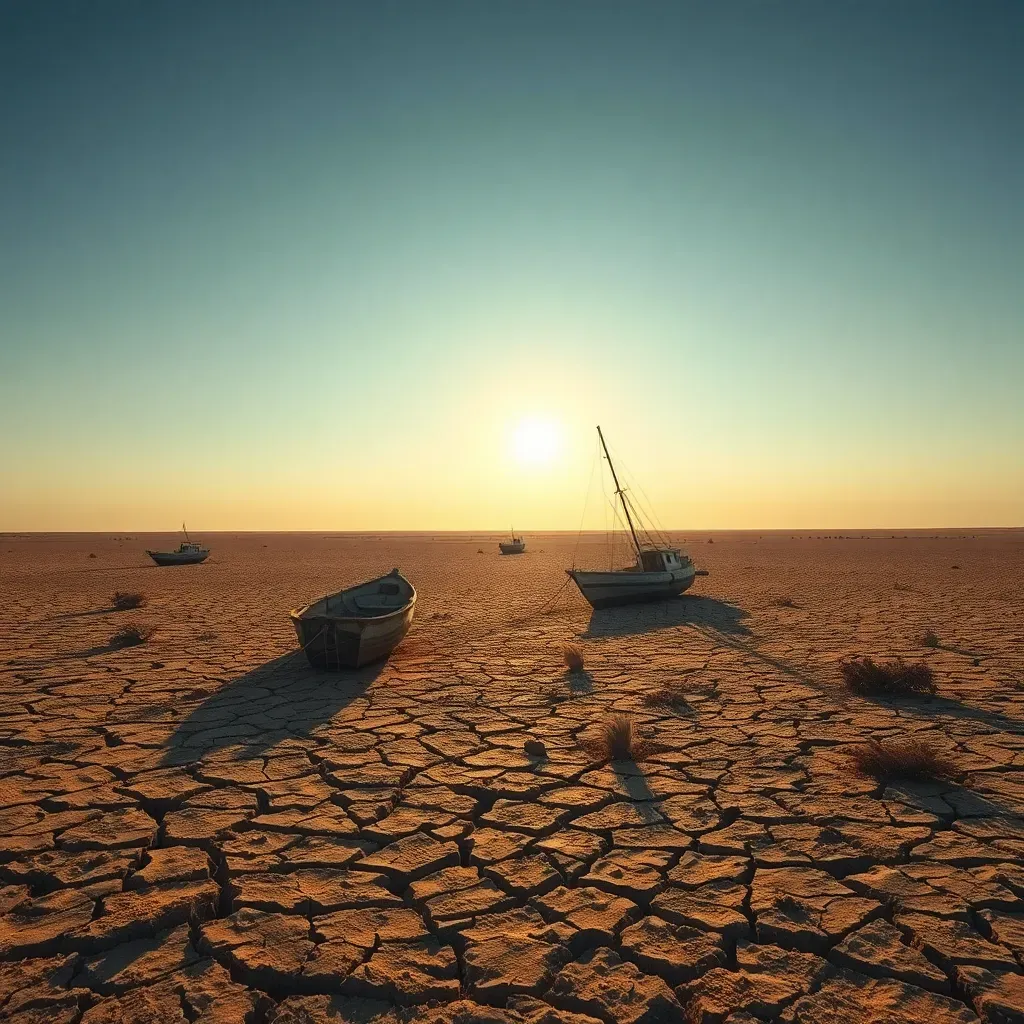
During the Soviet era, massive irrigation projects diverted the rivers feeding the Aral Sea to support cotton farming. This caused the sea to shrink dramatically over decades, turning what was once a vast sea into a shrinking, degraded lakebed.
Today, much of the former seabed is exposed as salt flats and desert, a stark reminder of the environmental disaster that unfolded.
To understand this better, desertification means the process where fertile land becomes desert due to drought, deforestation, or inappropriate agriculture. The Aral Sea’s disappearance is a prime example, where the land has become dry, salty, and unable to support life as before.
Impact on Local Nature and Environment
The loss of the Aral Sea has devastated local biodiversity. Fish populations vanished, ending the once-thriving fishing industry. The climate changed, with hotter summers and colder winters, making life harder for people and wildlife.
The soil quality deteriorated due to salt deposits, harming agriculture. The landscape is now dominated by dusty, polluted plains, often swept by toxic dust storms carrying salt and chemicals.
Visitors witness a degraded, unappealing environment far from the natural beauty they might expect from a sea destination.
Why the Aral Sea Disappoints Tourists: The Reality vs. Expectations Gap
Overhyped Travel Spot or Genuine Destination?
Many travelers arrive expecting a vast sea where they can enjoy boating, fishing, and scenic views. The reality is quite different. The water has receded so much that large areas are dry, and the remaining water is often polluted.
This gap between expectation and reality leads to a strong sense of disappointment.
Tourism Experience: What Visitors Actually Encounter
Tourists find limited opportunities for traditional water-based activities. Instead, they see dusty salt flats stretching for miles, abandoned fishing villages, and skeletal boats stranded on dry land.
Infrastructure is minimal. Roads are rough, accommodations scarce, and basic amenities often lacking. Health concerns arise from dust storms carrying toxic particles.
The Emotional Impact: From Adventure to Letdown
Many travelers share stories of emotional letdown. They come seeking adventure and natural beauty but leave feeling the place is a disappointing shadow of its former self.
The psychological effect of witnessing a vanished sea can be profound—some describe it as haunting or surreal.
The Controversy of Promoting the Aral Sea as a Tourist Destination
Ethical Considerations in Tourism Advertising
Tour operators and local agencies often market the Aral Sea as a unique destination, sometimes glossing over the harsh realities. This can mislead tourists into expecting a picturesque sea rather than a dried, degraded landscape.
Such overhyped claims raise ethical questions about truthful advertising.
Environmental and Social Responsibility
It is crucial to acknowledge the environmental disaster openly in travel narratives. Tourism should not exploit the tragedy but rather educate visitors and support local communities.
Tourism can either help by funding restoration projects and providing income or harm by increasing pollution and disrupting fragile ecosystems.
Balancing Awareness and Tourism Development
Responsible tourism initiatives in Central Asia aim to strike this balance. By promoting environmental education and sustainable practices, tourism can raise awareness and contribute to restoration.
Examples include guided tours focusing on the ecological crisis and cultural heritage, which help visitors understand the complex history and current challenges.
Exploring Responsible Travel Routes Around the Aral Sea Region
Sustainable Tourism Alternatives in Central Asia
Instead of focusing solely on the Aral Sea’s dried basin, travelers can explore eco-friendly tours in Uzbekistan and Kazakhstan. These include visits to cultural hubs like Nukus, home to the Savitsky Museum, which showcases regional art and history.
Nature and Adventure Beyond the Aral Sea
Nearby wetlands offer birdwatching opportunities, while desert expeditions reveal Central Asia’s vast landscapes. Visiting local villages provides authentic cultural experiences and supports community livelihoods.
How to Travel Responsibly: Tips for Visitors
- Support local businesses to help the economy.
- Minimize environmental impact by avoiding litter and respecting wildlife.
- Respect local customs and traditions.
- Choose tour operators committed to sustainability.
Comparative Analysis: Aral Sea vs. Other Overrated and Underrated Destinations
| Criteria | Aral Sea | Similar Destinations | Underrated Gems |
|---|---|---|---|
| Natural Beauty | Degraded, dried lakebed | Moderate, some environmental issues | Pristine landscapes, rich biodiversity |
| Accessibility | Challenging, poor infrastructure | Moderate | Varies, often remote but improving |
| Tourist Infrastructure | Minimal, limited amenities | Developed | Basic but authentic |
| Environmental Health | Polluted, ecological crisis | Mixed | Healthy ecosystems |
| Visitor Satisfaction | Disappointing for many | Varies | High for adventure seekers |
Why Some Destinations Are Overrated
Overrated places often suffer from hype that oversells their appeal, commercialization that erodes authenticity, and environmental neglect that degrades the experience.
Underrated Gems in Central Asia and Beyond
Travelers seeking genuine experiences may prefer less-known spots offering rich culture, nature, and sustainability, such as the Fergana Valley or the Tien Shan mountains.
Real Voices: Opinions and Testimonials About the Aral Sea Experience
"I expected a beautiful sea but found a vast desert of salt and abandoned boats. It was haunting but also a powerful lesson on human impact." – Travel blog, 2023
"Tourism here feels like visiting a graveyard of a once thriving ecosystem. It's sad but important to see." – Forum comment, 2024
"Local communities hope tourism will bring awareness and funds for restoration, but it must be done responsibly." – Environmental expert interview, 2024
The Future of the Aral Sea: Restoration Efforts and Tourism Prospects
Current Environmental Projects
Kazakhstan’s Kok-Aral Dam has helped partially restore water levels in the northern part of the sea, showing promising signs of ecological recovery.
International cooperation, including efforts by the United Nations, supports these restoration projects.
Potential for Ecotourism and Environmental Education
Raising awareness through tourism can transform the disappointing experience into a meaningful one. Educational tours and community engagement offer hope for sustainable development.
Challenges Ahead: Climate Change and Economic Realities
Despite progress, climate change and economic pressures pose ongoing threats. Balancing restoration with local livelihoods remains complex.
What Every Traveler Should Know Before Visiting the Aral Sea
The Mar de Aral decepciona many due to its environmental disaster and the resulting disappointing tourism experience. Travelers should approach with realistic expectations and prioritize responsible travel.
Exploring cultural and natural alternatives in Central Asia offers richer, more authentic experiences.
Responsible tourism can help support local communities and environmental restoration.
Comparative Analysis of Tourist Destinations
Sources and References
What do you think about the Mar de Aral decepciona phenomenon? Have you visited or considered visiting this overrated destination? How would you like to see tourism evolve in such fragile environments? Share your thoughts, questions, or experiences in the comments below!
 Burj Khalifa overrated? Uncover the shocking truth now
 Marina Bay Sands disappoints: The truth travelers hide
Si quieres conocer otros artículos parecidos a Mar de Aral decepciona: shocking truth behind vanished sea puedes visitar la categoría Asia.
Leave a Reply