
Banff National Park disappointment: the truth no one tells
- Unveiling the Reality Behind Banff National Park’s Hype
- Why Banff National Park Is Considered Overrated: Common Visitor Complaints and Realities
- The Impact of Tourism on Banff’s Natural Environment and Local Communities
- Comparing Banff National Park With Other Canadian Rockies Destinations: Hidden Gems vs. Overrated Spots
- Exploring Banff Beyond the Tourist Traps: Off-the-Beaten-Path Trails and Experiences
- Visitor Reviews and Opinions: What Real Travelers Say About Banff National Park Disappointment
- Why Banff Exhausts Tourism: The Phenomenon of Overuse and Visitor Fatigue
- Planning Your Trip: How to Avoid Disappointment and Make the Most of Banff National Park
- Is Banff National Park Worth Visiting Despite Its Disappointments?
- Opinions and Testimonials: Voices From the Community
- References and Further Reading
Unveiling the Reality Behind Banff National Park’s Hype
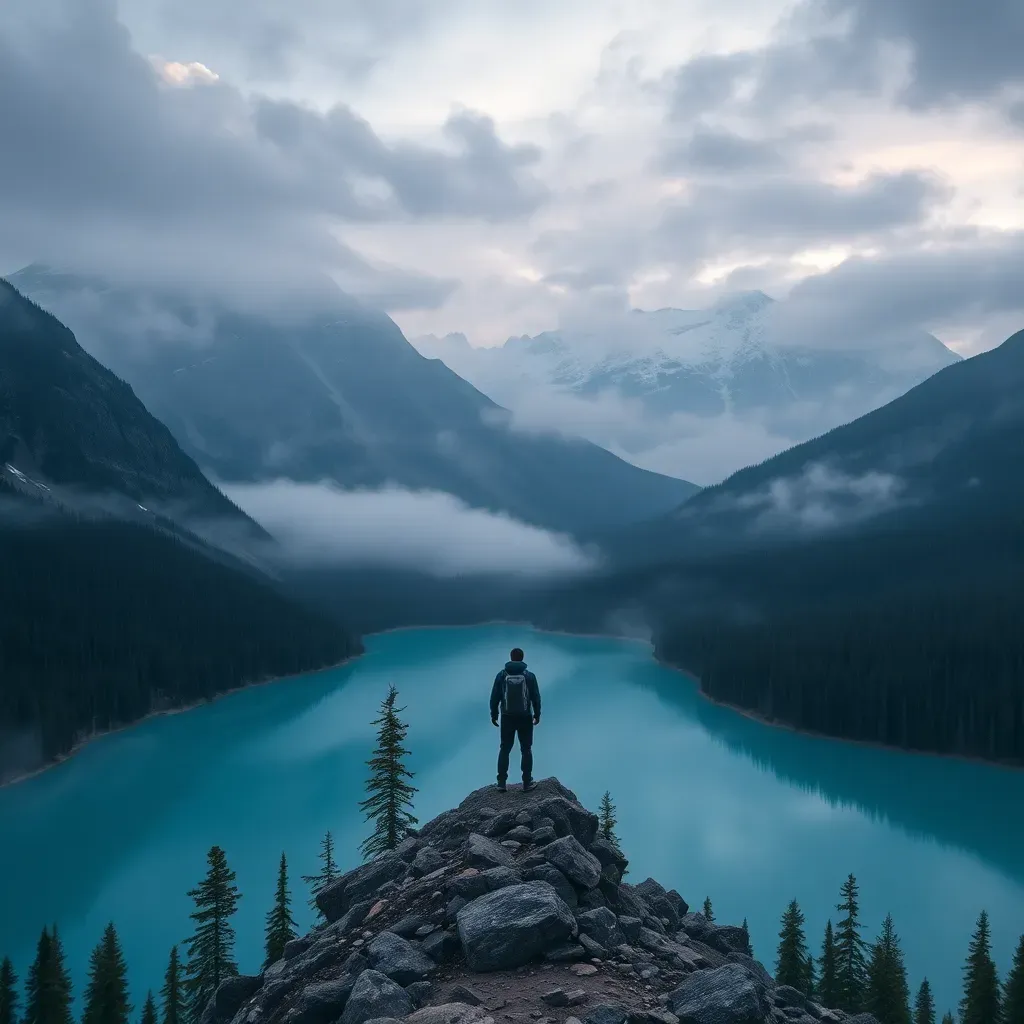
Banff National Park is often celebrated as one of the crown jewels of the Canadian Rockies, attracting millions of visitors annually from around the globe. Its breathtaking landscapes, including famous spots like Lake Louise and Moraine Lake, have made it a bucket-list destination for many. However, beneath the postcard-perfect images lies a complex reality that many travelers don’t see until they arrive.
The concept of overrated tourist destinations has gained traction among seasoned travelers who seek genuine, less commercialized experiences. Banff frequently appears on lists of places that, despite their beauty, fail to meet expectations due to factors like overcrowding and commercialization. This article aims to provide a balanced, honest look at Banff National Park, drawing on visitor experiences and expert opinions to help readers understand both its allure and its challenges.
Understanding the full picture is crucial for anyone planning a trip to Banff. While the park offers undeniable natural beauty, it also faces significant pressures from mass tourism that affect the quality of the visitor experience and the environment. This article will explore these issues in depth, helping travelers make informed decisions and consider alternatives that might better suit their desire for authentic nature encounters.
Why Banff National Park Is Considered Overrated: Common Visitor Complaints and Realities
One of the most frequent complaints about Banff National Park is the sheer volume of visitors. With millions flocking to the park each year, popular spots become crowded to the point where the natural serenity many seek is lost. Parking lots fill early, trails become congested, and photo opportunities often include crowds of tourists rather than pristine landscapes.
The high costs associated with visiting Banff also contribute to disappointment. Entrance fees, accommodations, dining, and guided tours can be expensive, sometimes pricing out budget-conscious travelers. Many visitors report feeling that the experience does not justify the steep prices, especially when factoring in the crowds and commercialization.
Speaking of commercialization, Banff Town and its surroundings have become saturated with tourist traps. Shops, restaurants, and souvenir stands dominate the area, often prioritizing profit over authentic cultural or natural experiences. This commercialization can detract from the park’s natural charm and leave visitors feeling like they are part of a well-oiled tourist machine rather than immersed in wilderness.
The environmental strain caused by mass tourism is another critical issue. Trails show signs of erosion, wildlife habitats are disturbed, and littering remains a problem despite conservation efforts. Visitors often notice visible damage to the environment, which can be disheartening when seeking a pristine nature experience.
Some scenic spots, heavily marketed as must-see attractions, turn out to be underwhelming or overhyped once the crowds and commercialization are factored in. The gap between marketing promises and actual travel experience can lead to frustration and a sense of letdown.
Accessibility is also a concern. While Banff offers many well-maintained trails and viewpoints, options for off-the-beaten-path exploration are limited or poorly marked. This restricts visitors who want to escape the crowds and discover quieter, more authentic parts of the park.
Ultimately, the combination of these factors creates a disconnect between expectations and reality, leading many to label Banff National Park as overrated.
The Impact of Tourism on Banff’s Natural Environment and Local Communities
Tourism’s environmental footprint in Banff National Park is significant. The influx of visitors stresses the park’s ecosystems, leading to habitat degradation and disturbances to wildlife. Animals such as bears and elk are increasingly exposed to human presence, which can alter their natural behaviors and threaten their safety.
Local infrastructure also feels the strain. Roads, parking areas, and waste management systems are pushed to their limits during peak seasons. This can result in traffic congestion, pollution, and resource shortages that affect both visitors and residents.
Economically, tourism brings benefits to the region, supporting jobs and businesses. However, this comes at a cost to cultural authenticity. The local communities often face pressure to cater to tourist demands, sometimes at the expense of preserving their heritage and traditional ways of life.
Parks Canada and Alberta Travel have implemented sustainable tourism initiatives aimed at mitigating these impacts. Efforts include visitor education programs, trail maintenance, and limits on certain activities. While these measures have had some success, challenges remain due to the sheer volume of visitors and varying levels of compliance.
Visitor behavior plays a crucial role in either exacerbating or alleviating these problems. Responsible tourism practices, such as staying on marked trails, respecting wildlife, and minimizing waste, are essential. Educating visitors and fostering a culture of stewardship can help protect Banff’s natural and cultural resources for future generations.
| Park | Visitor Numbers (Annual) | Crowding Levels | Cost of Visit | Scenic Highlights | Wildlife Viewing | Accessibility & Trails | Authenticity & Local Culture |
|---|---|---|---|---|---|---|---|
| Banff | ~4 million | High | Expensive | Lake Louise, Moraine Lake, Sulphur Mountain | Good but crowded | Excellent, but popular trails crowded | Commercialized, touristy |
| Yoho | ~1 million | Moderate | Moderate | Emerald Lake, Takakkaw Falls | Good, less disturbed | Good, more off-trail options | More authentic, quieter |
| Jasper | ~2.5 million | Moderate to high | Moderate to expensive | Maligne Lake, Athabasca Falls | Excellent wildlife viewing | Good, with many backcountry trails | Balanced tourism and culture |
| Kootenay | <1 million | Low | Affordable | Radium Hot Springs, Marble Canyon | Good, less crowded | Moderate, some hidden trails | Authentic, less commercial |
Travelers seeking alternatives to Banff’s crowds and commercialization often find Yoho and Kootenay National Parks offer more rewarding, peaceful experiences. These parks provide stunning scenery with fewer visitors, allowing for deeper connections with nature and local culture.
Tips for those wanting to avoid Banff’s tourist traps include planning visits during shoulder seasons, exploring lesser-known parks, and prioritizing sustainable travel practices.
Exploring Banff Beyond the Tourist Traps: Off-the-Beaten-Path Trails and Experiences
While Banff’s main attractions can be overrated and crowded, the park holds many hidden gems for those willing to explore beyond the usual routes. Several lesser-known trails and viewpoints offer solitude and authentic nature encounters.
Hidden lakes such as Helen Lake and Lake Agnes provide peaceful settings away from the crowds. Unmarked forest paths and quiet wildlife spots can be found by venturing deeper into the park, though visitors should be prepared and cautious.
Seasonal variations greatly affect the visitor experience. Early spring and late fall often bring fewer tourists, allowing for more tranquil hikes and better wildlife sightings. Winter offers unique opportunities for snowshoeing and cross-country skiing in serene landscapes.
Practical advice for avoiding crowds includes starting hikes early in the morning, visiting popular spots on weekdays, and using shuttle services to reduce parking hassles. Balancing visits to iconic sights with time spent on quieter trails enhances the overall experience.
Visitor Reviews and Opinions: What Real Travelers Say About Banff National Park Disappointment
“I was so excited to see Lake Louise, but the crowds were overwhelming. It felt more like a busy city park than a wilderness area.” – Reddit user source
“Banff is beautiful, no doubt, but the prices for everything are sky-high. It’s hard to enjoy when you’re constantly watching your budget.” – TripAdvisor reviewer source
“I found some quiet trails off the beaten path that made the trip worthwhile. It’s all about where you go and when.” – Travel forum member source
These comments reflect a common theme: while Banff’s natural beauty is undeniable, many visitors feel disappointed by the touristy atmosphere, high costs, and overcrowding. However, some travelers share stories of discovering hidden value by seeking less popular areas and adjusting expectations.
Why Banff Exhausts Tourism: The Phenomenon of Overuse and Visitor Fatigue
The term visitor fatigue describes the psychological and physical weariness that can occur when tourists face overcrowded spaces, long waits, and commercialized environments. In Banff, this phenomenon is increasingly common.
Overcrowding leads to stress, reduced enjoyment, and a feeling of disconnect from nature. The constant presence of other tourists diminishes the sense of wilderness many seek. Physically, navigating crowded trails and parking lots can be exhausting.
Social media and travel influencers play a paradoxical role. Their promotion of Banff’s beauty draws more visitors, but the resulting crowds degrade the experience, creating a cycle of hype and disappointment.
The sustainability of current tourism models in Banff is questionable. Without significant changes, the park risks losing the very qualities that make it special, leading to long-term declines in visitor satisfaction and environmental health.
Planning Your Trip: How to Avoid Disappointment and Make the Most of Banff National Park
Setting realistic expectations is key. Understand that popular spots will be busy, and costs are generally high. Planning visits during shoulder seasons or weekdays can help avoid the worst crowds.
Budget-friendly tips include staying in nearby towns outside Banff, bringing your own food, and choosing self-guided hikes over costly tours. Prioritize activities that foster genuine connections with nature, such as wildlife watching, photography, and quiet hikes.
Supporting sustainable tourism means respecting park rules, minimizing waste, and choosing local businesses that prioritize environmental stewardship. This helps preserve Banff’s natural and cultural heritage.
A suggested itinerary balances iconic sights with hidden gems:
- Day 1: Explore Banff Town and Sulphur Mountain
- Day 2: Visit Lake Louise early morning, then hike to Lake Agnes
- Day 3: Discover lesser-known trails like the Marble Canyon or Sunshine Meadows
- Day 4: Take a day trip to Yoho National Park for a quieter experience
Is Banff National Park Worth Visiting Despite Its Disappointments?
Banff National Park offers spectacular natural beauty that is hard to match. However, the challenges of overcrowding, high costs, and tourist traps mean that many visitors leave feeling disappointed or let down.
Approaching Banff with informed expectations can help travelers appreciate its wonders while navigating its drawbacks. For those seeking a more authentic and less commercialized experience, exploring alternative Canadian Rockies parks like Yoho or Kootenay may be more rewarding.
Ultimately, Banff remains a destination worth visiting, but only if travelers balance its popular attractions with sustainable practices and a willingness to explore beyond the beaten path.
Opinions and Testimonials: Voices From the Community
“Banff is a beautiful place, but the crowds can be overwhelming. I think more education on sustainable tourism is needed to protect this park.” – Local guide, Alberta
“I love the Canadian Rockies, but Banff felt too commercialized. Jasper gave me a better sense of wilderness and peace.” – Environmental expert
“Finding quiet spots in Banff was a game changer. It’s not just about the famous lakes; the real magic is in the hidden trails.” – Experienced hiker
References and Further Reading
What do you think about Banff National Park’s reputation? Have you experienced the crowds or found hidden gems there? How would you like to see tourism managed in such popular natural destinations? Share your thoughts, questions, or stories in the comments below!
 Moai de la Isla de Pascua cansan: descubre por qué todos están hartos
 Antelope Canyon masificado: The shocking truth behind the crowds
Si quieres conocer otros artículos parecidos a Banff National Park disappointment: the truth no one tells puedes visitar la categoría America.
Leave a Reply