
Moai de la Isla de Pascua cansan: descubre por qué todos están hartos
- The Allure of the Moai: Why They Became World-Famous
- When Fascination Turns to Fatigue: The Reality Behind the Overrated Moai Experience
- Tourist Overcrowding and Its Impact on Easter Island’s Cultural Heritage
- Cultural and Historical Context Often Missed by Visitors
- Comparing Easter Island’s Moai Experience to Other Polynesian Cultural Sites
- Practical Travel Tips for Those Still Wanting to Visit Without Feeling Exhausted
- Voices from the Ground: Real Opinions and Experiences About the Moai and Tourism on Easter Island
- Rethinking Tourism on Easter Island: Sustainable Solutions and Future Outlook
- Why the Moai of Easter Island Are Considered Overrated and How to Approach Them Differently
- Sources and Further Reading
The Allure of the Moai: Why They Became World-Famous
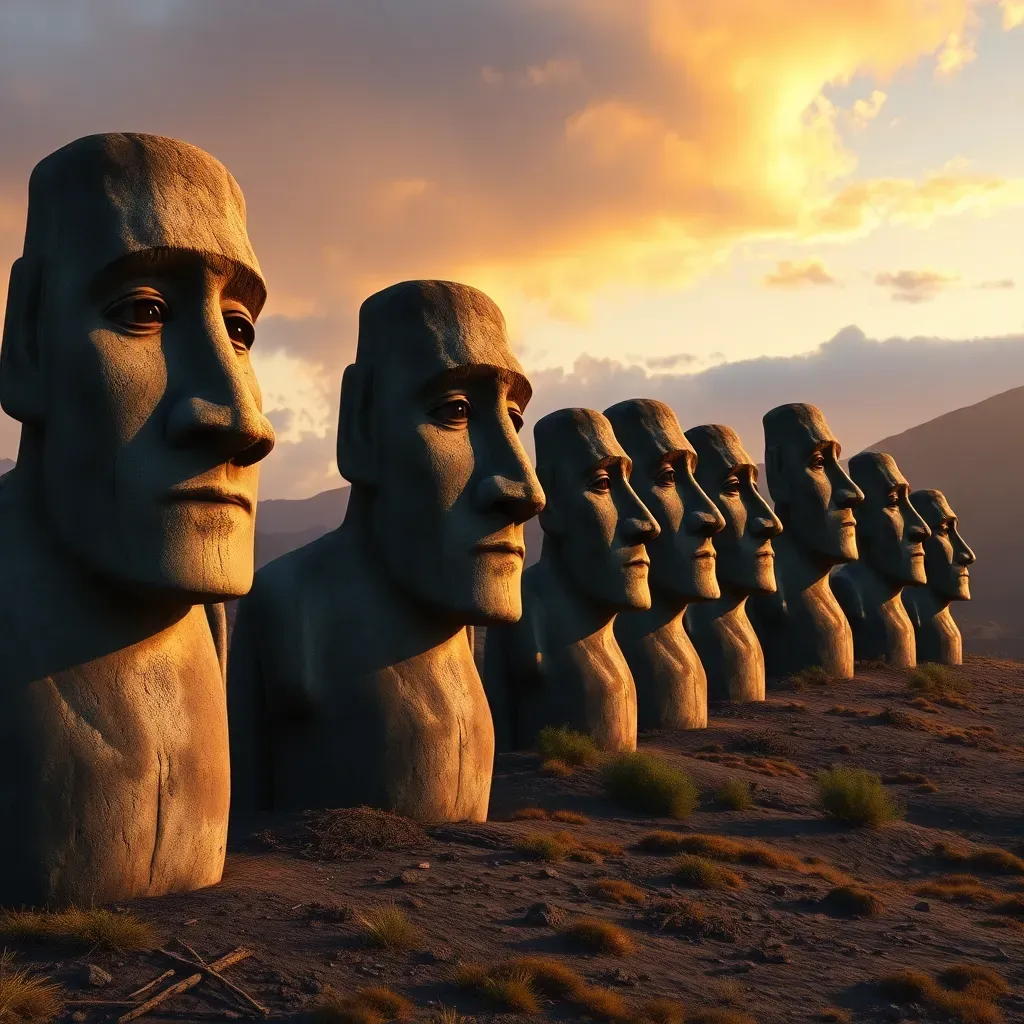
The Moai statues of Easter Island, or Rapa Nui, are among the most recognizable archaeological icons worldwide. These massive stone sculptures, carved by the Polynesian inhabitants centuries ago, represent ancestral figures and embody the island’s rich cultural heritage. Located in the remote South Pacific, Easter Island belongs to Chile and is a UNESCO World Heritage site, which has amplified its global fame and tourism appeal.
Visitors are drawn to the Moai not only for their impressive size—some towering nearly 10 meters tall—but also for the mystery surrounding their creation and transportation. The statues stand on ceremonial platforms called Ahu, often adorned with red volcanic stone hats known as pukao. The Polynesian culture behind these sculptures fascinates travelers interested in ancient navigation, spirituality, and indigenous history.
This combination of cultural depth and enigmatic artistry has made the Moai a must-see for tourists worldwide, contributing to Easter Island’s reputation as a unique travel destination.
When Fascination Turns to Fatigue: The Reality Behind the Overrated Moai Experience
Despite their allure, many visitors report feeling that the Moai de la Isla de Pascua cansan—that is, the experience can be tiring and underwhelming. The phrase captures a growing sentiment among travelers who find the attraction overrated and exhausting.
Common complaints include overcrowded sites where tourists jostle for photos, making it difficult to appreciate the statues peacefully. Tours often feel repetitive, with similar routes and explanations that lack depth or fail to connect visitors to the living culture of Rapa Nui. The logistical challenges—long flights, limited amenities, and the island’s small size—add to physical and emotional fatigue.
Moreover, the atmosphere can feel touristy and commercialized, with souvenir shops and crowded visitor centers detracting from the sense of authenticity. For those seeking meaningful cultural engagement, the Moai experience sometimes falls short, leaving a sense of disappointment rather than wonder.
Tourist Overcrowding and Its Impact on Easter Island’s Cultural Heritage
Easter Island receives tens of thousands of visitors annually, with peaks during the southern hemisphere summer months. This influx places significant pressure on the island’s fragile environment and cultural sites.
Overcrowding threatens the preservation of the Moai and their platforms. Foot traffic and human contact accelerate erosion and damage, despite strict regulations prohibiting touching the statues. Local communities face challenges balancing economic benefits from tourism with protecting their heritage and daily life.
Environmental degradation, including waste management and water scarcity, worsens as visitor numbers grow. These strains contribute to a visitor experience that can feel rushed and disappointing, as access to key sites becomes limited and the island’s natural beauty suffers.
Cultural and Historical Context Often Missed by Visitors
Many tourists focus on the visual spectacle of the Moai but miss the deeper cultural narratives. The statues symbolize ancestral spirits and clan power, with a complex history involving conflicts that led to many statues being toppled.
Restoration efforts have revived some sites, like Ahu Tongariki, but the stories behind these efforts and the significance of features like the pukao hats often remain unexplored. The Moai face inland, symbolizing watchfulness over the island’s inhabitants, except at Ahu Akivi, where they look seaward, representing ancestral explorers.
Superficial visits that prioritize photo opportunities over cultural understanding contribute to the perception of Easter Island as an overestimated holiday destination, missing the richness of Rapa Nui’s living traditions.
Comparing Easter Island’s Moai Experience to Other Polynesian Cultural Sites
| Destination | Visitor Numbers (Annual Approx.) | Cultural Authenticity | Accessibility | Visitor Satisfaction |
|---|---|---|---|---|
| Easter Island (Moai) | ~100,000 | Moderate - Cultural engagement limited by tourism | Remote, expensive flights | Mixed - Often tiring and overcrowded |
| Marquesas Islands | ~10,000 | High - Strong local traditions, less commercialized | Less accessible, fewer flights | High - Authentic and immersive |
| Tonga | ~75,000 | High - Active cultural participation | Moderate accessibility | High - Visitors praise cultural depth |
| Samoa | ~150,000 | High - Rich cultural festivals and traditions | Good accessibility | High - Positive visitor feedback |
These comparisons highlight how Easter Island’s Moai experience can feel overblown compared to other Polynesian sites where cultural authenticity and visitor satisfaction are often higher due to less crowding and more immersive opportunities.
Practical Travel Tips for Those Still Wanting to Visit Without Feeling Exhausted
- Visit during shoulder seasons (spring and fall) to avoid peak crowds and enjoy a calmer atmosphere.
- Choose tour operators that emphasize sustainable and culturally respectful tourism, offering smaller group sizes and local guides.
- Engage respectfully with Rapa Nui culture by learning about traditions, attending local events, and supporting community businesses.
- Explore beyond the Moai—hiking, visiting volcanic craters, and experiencing local cuisine provide richer experiences.
- Manage expectations by understanding the island’s limitations and focusing on quality over quantity in your visit.
Para quienes desean saber cómo visitar la isla de pascua de manera óptima, es fundamental planificar con anticipación y seleccionar opciones que permitan disfrutar con tranquilidad. Considerar las temporadas menos concurridas y optar por guías locales que promuevan un turismo sostenible puede marcar la diferencia en la experiencia.
Voices from the Ground: Real Opinions and Experiences About the Moai and Tourism on Easter Island
"I was amazed by the Moai at first, but the crowds made it hard to connect with the place. It felt like a photo stop rather than a cultural experience." – Travel blogger, USA
"As a local guide, I see how tourism strains our community. We want visitors to appreciate our culture, not just check off the statues on their list." – Rapa Nui cultural expert
"The Moai tours felt repetitive and exhausting. I wish there were more opportunities to learn about the island’s living traditions." – Experienced traveler, travel forum
Rethinking Tourism on Easter Island: Sustainable Solutions and Future Outlook
Chilean authorities and UNESCO have implemented measures to control visitor numbers and protect the island’s cultural heritage. These include limiting daily tourist entries, enforcing strict site preservation rules, and promoting community-led tourism initiatives.
Local organizations work to develop experiences that immerse visitors in Rapa Nui culture beyond the Moai, such as traditional crafts workshops and storytelling events. These efforts aim to reduce the touristy feel and foster genuine cultural exchange.
Travelers can support these initiatives by choosing responsible tour operators, respecting site regulations, and prioritizing cultural understanding over mere sightseeing.
Why the Moai of Easter Island Are Considered Overrated and How to Approach Them Differently
The Moai statues represent a profound cultural legacy, yet the typical tourist experience often leads to fatigue and disappointment due to overcrowding, commercialization, and superficial engagement. Recognizing these challenges allows travelers to approach Easter Island with realistic expectations and a deeper appreciation for its living culture.
Seeking meaningful interactions, visiting during less crowded times, and exploring beyond the statues can transform the visit from tiring to enriching. Balancing admiration for the Moai with respect for the island’s people and environment is key to a rewarding journey.
Si te preguntas cómo visitar la isla de pascua para evitar la fatiga y el desencanto, considera planificar tu viaje con foco en experiencias auténticas y tiempos de visita menos concurridos. Además, informarte sobre las costumbres locales y participar en actividades culturales puede enriquecer y equilibrar tu recorrido.
Sources and Further Reading
What do you think about the Moai experience? Have you felt tired or disappointed visiting famous landmarks? How would you like to see cultural tourism evolve on Easter Island or other destinations? Share your thoughts, questions, or travel stories in the comments below!
 Antelope Canyon masificado: The shocking truth behind the crowds
 Isla de Chiloé decepcionante: the truth travelers hide
 Bwindi National Park: The shocking truth about gorilla trekking
Si quieres conocer otros artículos parecidos a Moai de la Isla de Pascua cansan: descubre por qué todos están hartos puedes visitar la categoría America.
Leave a Reply